What Is the Best Solution for Emergency Response Efficiency?

Time:2026-10-24 Author:Aria
0%

Emergency response efficiency is measured in moments, not slogans. A delayed call, an unclear address, or a congested dispatch channel can change the outcome. The National Emergency Number Association reports that 911 centers increasingly face staffing shortages, rising call complexity, and technology gaps. These pressures make response performance a systems question, not merely a vehicle-speed question.

Professional standards offer a practical reference point. NFPA 1710 recommends answering emergency calls within 15 seconds for at least 95% of calls. It also defines ambitious dispatch and turnout targets for career fire departments. These benchmarks show where delays occur. However, they do not guarantee equal performance across rural, urban, and remote communities. Local geography matters. So does funding.

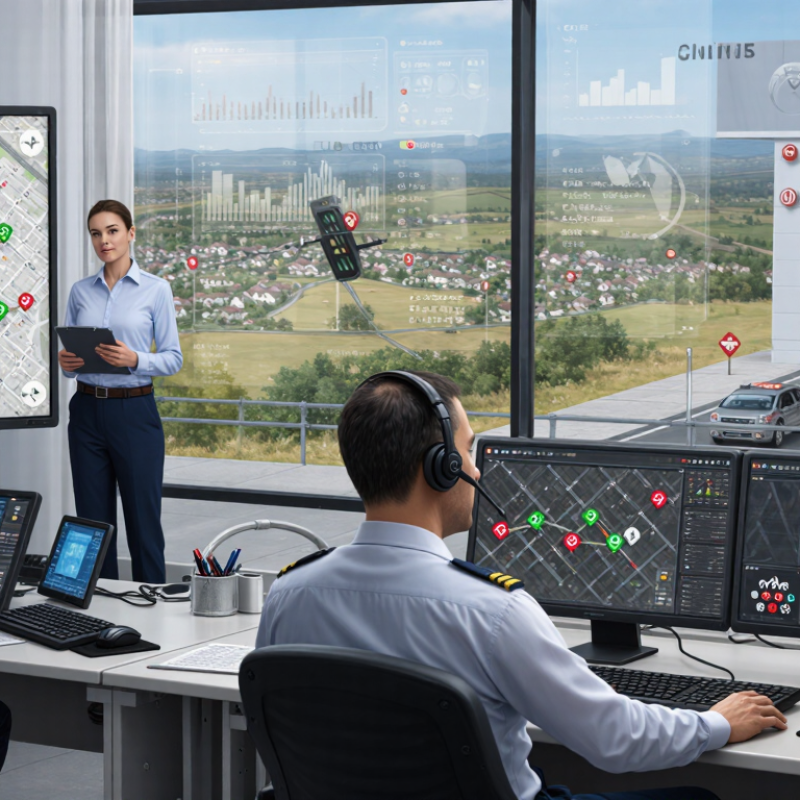
The real question is: which solutions improve emergency response efficiency? Research from the U.S. Department of Transportation’s Intelligent Transportation Systems Joint Program Office highlights the value of connected traffic signals, real-time location data, and priority routing. FEMA’s National Preparedness Reports also emphasize interoperable communications, reliable data, and coordinated planning. In practice, this can mean a dispatcher viewing a caller’s verified location while traffic signals clear the nearest route. Yet technology alone is not enough. Poor training, inaccurate databases, and unclear accountability can weaken expensive systems. This is an uncomfortable point. The best solution may be a balanced model combining trained personnel, interoperable platforms, resilient communications, and continuous performance reviews. Agencies should measure call-answer time, dispatch accuracy, travel time, and patient outcomes. Numbers reveal weaknesses that confident presentations often hide.
What Is the Best Solution for Emergency Response Efficiency?

Defining Emergency Response Efficiency and Its Core Challenges

What Is the Best Solution for Emergency Response Efficiency?

Emergency response efficiency means delivering the right help, to the right person, at the right time. It is not measured by speed alone. Useful indicators include call recognition, dispatch accuracy, arrival time, triage quality, handoff clarity, and patient outcomes.

The scale is severe. The UNDRR-CRED Human Cost of Disasters report recorded 7,348 major disasters between 2000 and 2019. These events caused about 1.23 million deaths and affected 4.2 billion people. The Global Status Report on Road Safety 2023 reports approximately 1.19 million road deaths every year. Many victims need care within minutes, not hours. Speed is not enough.

Effective systems connect trained dispatchers, field teams, hospitals, and local authorities through shared procedures. Clear radio language reduces repeated questions. Standard triage tools support better decisions under pressure. Real-time capacity data can prevent ambulances from arriving at overcrowded facilities.

Yet technology does not fix weak coordination. A digital dashboard may show every vehicle, while staff still lack accurate patient details. That failure is easy to overlook.

Efficiency also requires fairness. Remote communities, older adults, and people with disabilities may face longer delays. Response plans should measure these gaps, not hide them inside national averages. After-action reviews must examine near misses without protecting comfortable assumptions. Our current models remain imperfect. That is precisely why every response should produce usable evidence for the next one.

Assessing the Role of Early Detection and Rapid Communication

What Is the Best Solution for Emergency Response Efficiency?

Assessing the Role of Early Detection and Rapid Communication

During a flood drill, an alert arriving five minutes late can change a safe evacuation into a dangerous rush. Early detection only matters when information reaches people quickly and clearly. The World Meteorological Organization’s Global Status of Multi-Hazard Early Warning Systems 2023 found that countries with more comprehensive warning systems experience disaster mortality nearly six times lower. This evidence supports investment in sensors, risk monitoring, and local response training. It does not prove that technology alone saves lives.

Rapid communication needs redundancy. Use cell broadcasts, radio, sirens, and trained community coordinators. Messages should identify the hazard, location, protective action, and deadline. The International Telecommunication Union reported 2.6 billion people remained offline in 2023. Digital-only warnings therefore leave serious gaps, especially during power failures or network congestion.

Measure every delay. Track the time from detection to public receipt, message acknowledgement rates, and missed communication channels. In practical exercises, teams should test backup power, multilingual scripts, and accessible formats for people with disabilities. Clarity matters more than technical language. A warning that sounds official but lacks a clear action may still fail.

Perfection is unlikely. Some alerts will arrive late, and some residents will ignore them. Post-incident reviews should examine those failures without hiding uncomfortable details. The United Nations Office for Disaster Risk Reduction stresses that early warning must connect with local knowledge and prepared action, not remain inside a control room.

Building an Integrated Coordination and Dispatch System

Emergency response efficiency depends on coordination, not speed alone. A dispatcher needs one operational picture, not five disconnected screens. An integrated coordination and dispatch system can connect emergency calls, GIS locations, unit status, radio traffic, and hospital capacity.

NENA reports that emergency call centers handle about 240 million calls annually in the United States. Even small delays can multiply across that volume.

NFPA’s U.S. Fire Department Profile reports more than 36 million fire-service responses each year. This pressure makes shared data essential.

A common operating picture helps supervisors assign the nearest suitable team, while automated updates reduce repeated phone calls.

UNDRR’s Global Assessment Report estimates average annual disaster losses near 170 billion dollars. Preparedness must therefore include tested workflows, backup communications, and clear authority during outages.

Technology helps, but it can also create false confidence. An integrated system is not automatically integrated practice.

Tips:

  • Start with one dispatch workflow.
  • Map every handoff.
  • Test location accuracy with realistic scenarios.
  • Train dispatchers and field teams together.
  • Review missed updates without blame, then adjust the process.
  • Keep a manual fallback.
  • No network is perfect.

Using Technology and Data to Improve Response Decisions

What Is the Best Solution for Emergency Response Efficiency?

Using Technology and Data to Improve Response Decisions

Emergency response improves when technology turns scattered signals into clear actions. A live dashboard can combine weather alerts, road closures, hospital capacity, and field reports. Dispatchers then see which neighborhoods need help first. The World Meteorological Organization reported that 101 countries had multi-hazard early warning systems in 2022, a 52% increase from 2015. Yet warnings alone are not enough. A message must reach the right person, through the right channel, with practical instructions.

Reliable data also reduces avoidable delays. A response center can use location data to identify blocked routes and assign the nearest available team. Simple color coding helps staff recognize urgent changes during a noisy shift. The United Nations Office for Disaster Risk Reduction estimates that disasters cause hundreds of billions of dollars in annual economic losses. Better forecasting can limit disruption, but models still fail when data is incomplete. That weakness deserves attention.

Technology should support professional judgment, not replace it. Field teams can confirm whether a digital alert matches conditions on the ground. After each incident, managers should compare predicted demand with actual arrivals, travel times, and resource use. Some records will be inconsistent. That is normal, but ignoring them is not. A careful review can reveal whether the system improved decisions or merely created faster screens.

Evaluating Performance Through Training, Metrics, and Continuous Improvement

What Is the Best Solution for Emergency Response Efficiency?

Evaluating Performance Through Training, Metrics, and Continuous Improvement

Emergency response efficiency begins with realistic training, not impressive equipment. Teams should practise under pressure, with dim lighting, loud alarms, incomplete information, and changing priorities. Short drills can test radio clarity, role awareness, and decision speed. In field exercises, small communication gaps often create larger delays. That detail deserves attention.

Training should produce measurable evidence. Useful metrics include dispatch-to-arrival time, scene assessment time, resource allocation accuracy, and handover quality. Leaders should review both averages and outliers. A fast average may hide one dangerous delay. Numbers need context.

Continuous improvement depends on honest review. After each exercise or incident, teams can compare planned actions with actual decisions. A simple timeline often reveals unclear authority or duplicated tasks. Staff should record what worked, what failed, and what felt uncertain. No blame. Better questions matter.

Metrics can still mislead. A team may improve arrival times while missing critical information during handover. Simulated drills also cannot reproduce every human reaction. This limitation should remain visible. Independent observers, documented procedures, and periodic competency checks can strengthen reliability. Training plans should then change according to evidence, not habit. Small corrections, repeated consistently, can improve coordination across the entire response system.

FAQS

What does emergency response efficiency mean?

It means delivering suitable help to the right person at the right time. Speed alone fails. Measure call recognition, dispatch accuracy, arrival time, triage, handoffs, and patient outcomes.

What is the strongest approach to improving emergency response?

Connect dispatchers, field teams, hospitals, and local authorities through shared procedures. Use accurate capacity data and clear radio language. Technology helps, but coordination remains essential.

Why is early detection important?

Early warnings create time for evacuation or protective action. A five-minute delay can turn an orderly evacuation into a dangerous rush. Detection matters only when people receive understandable instructions.

How should emergency warnings reach the public?

Use several channels, including mobile alerts, radio, sirens, and community coordinators. Digital-only warnings exclude people during outages or network congestion. Some residents remain offline.

What information should an emergency message contain?

State the hazard, location, required action, and deadline. Use plain language and accessible formats. A formal-sounding message may still fail without clear instructions.

How can teams measure communication performance?

Track detection-to-receipt time, acknowledgement rates, and missed channels. Test backup power, multilingual scripts, and disability-accessible messages. Small delays matter.

How can hospitals and dispatch centers reduce wasted time?

Share reliable patient details and real-time facility capacity. This can prevent ambulances from reaching overcrowded hospitals. A dashboard cannot repair inaccurate information.

How should emergency plans address unequal delays?

Compare response times for remote communities, older adults, and people with disabilities. National averages can hide serious gaps. Fairness needs separate measurements and practical solutions.

What should happen after an emergency or drill?

Conduct an honest review of delays, near misses, and failed messages. Keep the uncomfortable details. Our models remain imperfect, but each response should produce useful evidence.

Conclusion

Emergency response efficiency depends on how quickly and accurately an organization can identify an incident, share reliable information, and coordinate the right resources. The core challenges often include delayed detection, fragmented communication, unclear responsibilities, limited resources, and inconsistent decision-making under pressure. Asking “which solutions improve emergency response efficiency” requires a complete approach rather than a single tool. Early warning systems, clear communication protocols, and centralized coordination can help responders understand situations faster and dispatch appropriate support.

Technology and data can further improve decisions by providing real-time updates, location information, risk assessments, and resource availability. However, effective performance also depends on people and processes. Regular training, realistic exercises, measurable response targets, and structured reviews help teams identify weaknesses and strengthen cooperation. By combining early detection, rapid communication, integrated dispatch, informed decision-making, and continuous improvement, organizations can reduce delays, use resources more effectively, and provide safer, more consistent emergency support.

Aria

Aria

Aria is a dedicated marketing professional with a deep passion for innovative strategies and a keen understanding of our company's product offerings. With a wealth of experience in the industry, Aria excels at crafting engaging content that highlights the unique features and benefits of our......