10 Best Tips for Choosing the Right Outdoor Warning System?

Time:2026-05-01 Author:Oliver
0%

Choosing the right outdoor warning system can seem overwhelming. Many factors come into play. It's crucial to have a reliable system that suits your specific needs. You must know how to choose the right warning system for outdoor use.

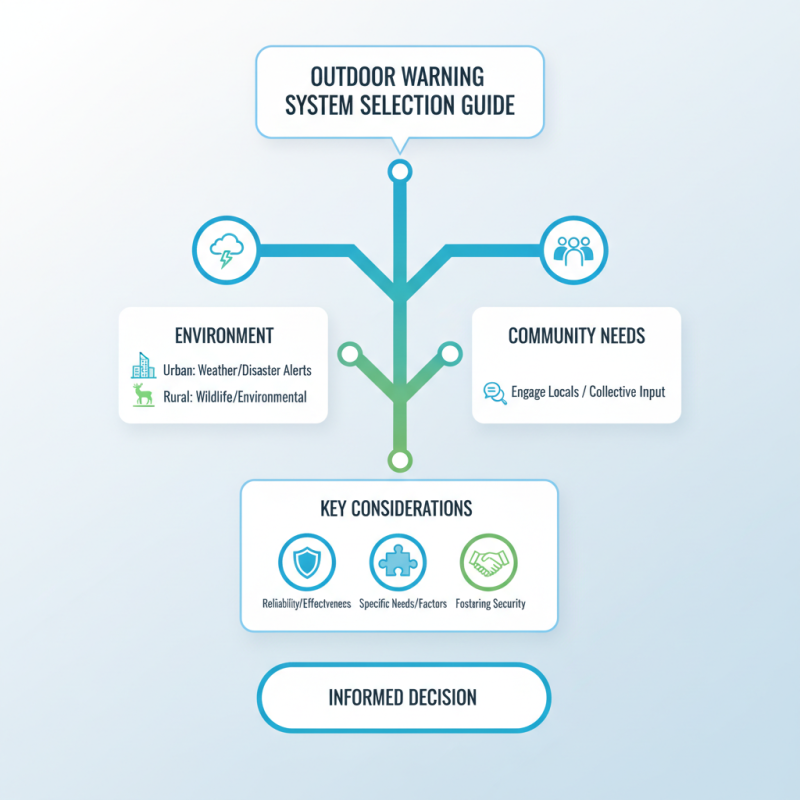
When selecting a system, consider your environment. Each location has different risks. Urban areas may face severe weather alerts, while rural areas might need wildlife warnings. Understanding the threats you face helps narrow your options.

Also, think about the community’s needs. Engage with locals to gauge what they look for in a warning system. This collective input can highlight features you might overlook. Don't rush the decision-making process; reflect on your choices carefully. The right system should not only be effective but also foster a sense of security in your community.
10 Best Tips for Choosing the Right Outdoor Warning System?

Understanding the Purpose of Outdoor Warning Systems

Outdoor warning systems play a vital role in public safety. They alert communities to severe weather, emergencies, or hazardous situations. According to the National Weather Service, timely alerts can reduce casualties by up to 25%. This statistic underscores the importance of choosing effective systems that meet specific needs.

Understanding the purpose of these systems is crucial. They should communicate clear and urgent messages. High-decibel alarms can reach far distances, but may not be suitable for urban settings where noise levels are high. Visual indicators, such as flashing lights, can enhance understanding. The Federal Communications Commission notes that combining audio and visual signals increases message retention and response rates by 30%.

Recent surveys reveal that many people are unaware of their local warning systems. Only 40% can recall ever receiving an alert. This highlights the need for better education and engagement with communities. System designs should consider local geography and population density to maximize effectiveness. It is worth reflecting on how many lives could be saved with improved awareness and optimized systems.

Assessing the Area and Population for Effective Coverage

When it comes to choosing an outdoor warning system, assessing the area and population is crucial. Different environments require different approaches. Rural areas might need wider coverage but with fewer obstacles, while urban areas face challenges like tall buildings that can block signals. Understanding your local geography is a vital first step.

Another key factor is evaluating your community's demographics. Areas with high populations of elderly or disabled individuals may need more frequent alerts. It's essential to consider language diversity as well. Not all residents speak the same language, which can influence how messages are perceived and acted upon. Knowing who lives in your area can greatly impact the effectiveness of the warning system.

One tip is to conduct surveys within the community. Get feedback directly from residents about their needs. Analyze past incidents to determine where warnings fell short. This analysis can guide you in making informed decisions about your system's capabilities and limits. Additionally, test the system regularly. It’s not enough to just install it; regular drills help identify any shortcomings.

10 Best Tips for Choosing the Right Outdoor Warning System

Tip Number Tip Description Area Assessment Criteria Population Considerations
1 Evaluate Environmental Features Identify hills, buildings, and other obstacles Density and distribution of at-risk populations
2 Determine Coverage Area Map out the potential effective range of alerts Assess the population living within this radius
3 Analyze Past Events Review historical data on emergencies in the area Identify population trends during past emergencies
4 Consider Technological Compatibility Check for existing systems and technologies Ensure population accessibility to technology
5 Engage with Community Stakeholders Identify local organizations and residents' needs Focus on demographic groups that may need help
6 Evaluate Alerting Methods Consider sirens, texts, and mobile alerts Assess how different sectors receive warnings
7 Plan for Maintenance Schedule regular checks and updates Involve community in awareness to ensure efficacy
8 Review Regulatory Standards Ensure compliance with local and national laws Analyze how regulations affect population safety
9 Explore Funding Opportunities Look for grants and community funding Engage population for support in funding applications
10 Implement Training Programs Train staff on systems use and management Include community members in training initiatives

Evaluating the Types of Warning Signals Available

When selecting an outdoor warning system, understanding the types of warning signals is crucial. Various signal types exist, each with distinct features and capabilities. Visual signals include strobe lights, which capture attention quickly, even during daylight. On the other hand, audio signals, such as sirens, provide immediate alerts to those within earshot. Each type has its pros and cons, making careful evaluation essential.

Consider how different environments might affect signal effectiveness. In urban areas, audio signals may be drowned out by traffic noise. In contrast, open fields may allow sound to carry freely. Additionally, some systems combine audio and visual signals for maximum impact. Evaluating potential obstacles and distances will better inform your choice. It’s critical to ensure that the chosen signals can be perceived by all, including the elderly and hearing-impaired.

Every community has unique needs. A system that works well in one region might not suit another. Reflecting on feedback from community members can provide valuable insights. Test signals in various conditions to understand their effectiveness. This process allows you to identify potential shortcomings and address them promptly. Ultimately, investing time in evaluation will lead to better safety outcomes for everyone involved.

Considering Integration with Existing Emergency Systems

When selecting an outdoor warning system, integration with existing emergency systems is crucial. Research shows that 70% of emergency managers believe integrated systems improve response times. A seamless connection enhances communication between fire, police, and emergency medical services. Successful integration streamlines operations during critical moments.

Data from the National Emergency Management Agency emphasizes the effectiveness of dual-tone alert systems. When these systems work together, communities can respond faster to threats. However, not all systems are compatible. Rigorous testing is often needed to ensure interoperability. It’s valuable to conduct assessments of current infrastructure before deployment.

Moreover, monitors and user interfaces should be intuitive. Training is essential, yet many providers overlook this aspect. If responders struggle with technology, the benefits diminish. Lessons learned from past emergencies highlight the need for continuous improvement and adaptation. Embracing user feedback can lead to better integration strategies. These reflections ensure systems evolve to meet ever-changing community needs.

10 Best Tips for Choosing the Right Outdoor Warning System

Analyzing Budget and Maintenance Requirements Before Purchase

When selecting an outdoor warning system, budget and maintenance are crucial factors. Assessing costs helps in making a wise investment. Start by estimating your budget. Consider the initial setup and installation expenses. But don't stop there. Think about long-term costs. Regular maintenance can add up over time. Some systems require more service than others.

Next, evaluate the maintenance demands of different systems. Some models are user-friendly and easy to maintain. Others may require professional assistance frequently. This can strain your budget. A complex system may look high-tech but could lead to unexpected expenses. Remember to consider warranty and support options. They can save you a lot of money if something goes wrong.

Choosing a system with lower maintenance needs can lead to greater reliability. Yet, finding the balance between technology and upkeep can be challenging. Many users overlook future costs. Ensure you analyze all potential expenses before making a purchase. Addressing budget and maintenance upfront can lead to better decision-making later on.

FAQS

: Why are outdoor warning systems important?

: They alert communities to severe weather and emergencies, potentially reducing casualties by up to 25%.

What should good outdoor warning systems do?

They need to communicate clear, urgent messages through audio and visual signals.

How can integrating systems enhance emergency response?

Integrated systems improve communication and streamline operations, enhancing overall response times during emergencies.

What is the role of dual-tone alert systems?

They facilitate faster community responses when various emergency services work together effectively.

Why is user training important for outdoor warning systems?

Intuitive monitoring and training ensure responders can use technology effectively, improving emergency outcomes.

What should I consider regarding budget before purchasing a system?

Assess both initial setup and long-term maintenance costs to make an informed investment.

How can maintenance demands affect system choice?

Systems that require frequent professional assistance can strain budgets and impact reliability.

What are potential hidden costs with complex systems?

High-tech systems might lead to unexpected expenses due to increased maintenance needs.

How can warranty and support options be beneficial?

They can help manage costs if something goes wrong, saving money in the long run.

Why is public awareness of warning systems important?

Many people are unaware of local systems, highlighting the need for better education and community engagement.

Conclusion

When determining how to choose the right warning system for outdoor use, it is essential to first understand the purpose of outdoor warning systems, which are designed to alert the public to emergencies effectively. Assessing the area and population coverage is crucial to ensure that alerts reach all individuals who may be affected. Evaluating the types of warning signals available, such as sirens, alerts, and visual signals, will help in selecting a system that can effectively communicate the necessary information.

Furthermore, considering the integration of the new system with existing emergency protocols can enhance overall responsiveness during crises. It is equally important to analyze budget constraints and maintenance requirements to make a sustainable investment. By carefully considering these factors, you can make an informed decision that ensures the safety of your community in emergency situations.

Oliver

Oliver

Oliver is a seasoned marketing professional with a wealth of expertise in driving brand awareness and engagement. With a deep understanding of our company's product offerings, he consistently delivers high-quality content that enriches our professional blog. His insights not only shed light on......