Ensuring safety in road construction zones is a critical concern in the transportation industry. According to the Federal Highway Administration, over 800 fatalities occurred in work zones in the United States in 2020. These figures underline the urgent need for effective strategies to protect both workers and motorists. Experts in the field emphasize crucial practices to mitigate risks. Dr. Jane Smith, a renowned safety engineer, states, "Continuous training and awareness are essential in how to ensure safety in road construction zones."
Planning and implementing safety measures should be grounded in industry best practices. Regularly updated training programs can help workers remain vigilant. Additionally, the installation of clear signage and barriers significantly enhances visibility and can reduce accidents. However, many zones still lack adequate safety measures, highlighting a gap in implementation.
This area of safety requires constant improvement and introspection. Despite advancements, the statistics reveal ongoing issues. The industry must address these challenges through innovative solutions and ongoing education. Creating a safer environment in construction zones is a shared responsibility of employers and government entities.
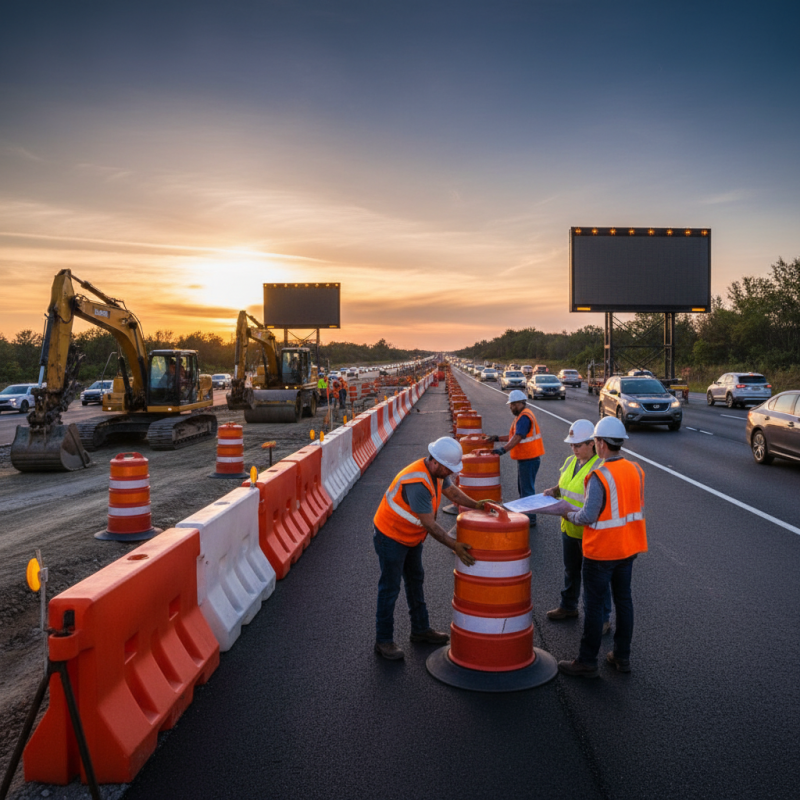
Road construction zones can be hazardous. Identifying common hazards is crucial for safety. Workers and motorists face various risks daily in these areas. Narrow lanes and shifting barriers often confuse drivers. Poor visibility and weather changes add to the dangers.
One significant hazard is the presence of heavy machinery. Equipment like bulldozers and cranes can operate close to the road. This can lead to accidents, especially if proper signals are not in place. Workers may also be exposed to falling tools or materials. Proper personal protective equipment is essential in these situations.
Another common issue is the lack of clear signage. Inadequate warnings can lead to confusion and accidents. The absence of reflective materials can compromise visibility at night. It’s vital to ensure that signs are visible and understandable. Regular reviews of safety measures can help identify gaps. These reflections can improve conditions and save lives.
Implementing effective traffic control measures in road construction zones is crucial for safety. Clear signage is essential. It should be visible from a distance, allowing drivers to slow down. Well-placed cones and barriers guide vehicles safely around the work area. Workers in high-visibility vests increase visibility, especially at night.
Training is vital for personnel managing traffic. They need to understand local traffic patterns and potential hazards. Regular drills can help improve response times to emergencies. Awareness among drivers is equally important. Public education campaigns can remind them of safe driving practices in construction zones.
However, challenges arise. Inconsistent signage can confuse drivers. Some workers may not always follow safety protocols. These lapses can lead to accidents and injuries. Continuous evaluation of traffic control measures is necessary. Collecting feedback from both workers and drivers can help identify problem areas. Improvement is an ongoing process that demands attention.
| Traffic Control Measure | Description | Importance | Implementation Status |
|---|---|---|---|
| Traffic Cones and Barriers | Used to demarcate construction areas and navigate traffic safely. | Essential for protecting both workers and motorists. | Implemented |
| Warning Signs | Signs alerting drivers about upcoming construction zones. | Helps in preparation and cautioning drivers to reduce speeds. | Implemented |
| Flaggers | Personnel directing traffic at busy construction points. | Crucial for real-time traffic management and safety. | Partially Implemented |
| Traffic Detours | Redirecting vehicles to alternate routes during construction. | Minimizes congestion and potential accidents. | Not Implemented |
| Night Lighting | Illuminating construction zones for visibility at night. | Enhances visibility and awareness for drivers and workers. | Implemented |
In the realm of road construction, worker safety remains a pressing concern. According to the National Institute for Occupational Safety and Health (NIOSH), nearly 800 workers die every year from road-related incidents. Enhancing safety through effective training and proper equipment can significantly reduce these risks.
Training plays a crucial role in preparing workers for on-site hazards. A report from the Bureau of Labor Statistics revealed that 65% of construction accidents can be linked to a lack of proper training. Workers must be educated about specific risks associated with road construction environments. Regular workshops and safety drills can enforce this knowledge. Implementing structured training programs can lead to a decrease in accident rates by up to 30%.
Proper equipment is equally essential for ensuring safety. Personal protective equipment (PPE) such as hard hats, reflective vests, and steel-toed boots should be mandatory. However, compliance rates can be surprisingly low; a study found that only 50% of workers consistently wear PPE. It is vital to establish a culture of safety that encourages consistent use of equipment. Investing in high-quality machinery also reduces the risk of equipment-related injuries. Failing to prioritize these aspects can lead to preventable accidents and injuries.
In road construction zones, effective signage and communication play crucial roles in ensuring safety. The Federal Highway Administration (FHWA) reports that more than 90% of road work-related accidents can be traced back to lack of proper signage. Clear, visible signs alert drivers to upcoming work zones, helping to reduce confusion and speed-related incidents. Properly positioned LED signs can increase visibility, especially at night or in poor weather conditions.
Furthermore, effective communication extends beyond simple signs. Over 30% of accidents occur when drivers are unaware of lane shifts or reduced speed limits. Using variable message signs (VMS) strategically can improve driver awareness. These electronic signs offer real-time updates, providing crucial information as traffic conditions change. However, many reports show gaps in communication strategies at construction sites. Some zones still rely on ineffective static signs, leading to misinterpretation and risk.
Finally, involving workers in safety communication is essential. Training construction crews to understand the signage and its placement ensures consistent messaging. A study indicated that construction workers who are engaged in safety discussions can identify potential hazards more effectively. Yet, many still neglect this aspect. Improving communication methods can significantly enhance overall safety in road construction zones and decrease accident rates.
Regular inspection and maintenance of safety protocols in road construction zones are vital. Each site needs constant attention. Workers depend on reliable protocols to keep them safe. Proper barriers, warning signs, and lighting must be in place. Daily checks can identify wear and tear before accidents happen. This approach ensures that safety measures evolve with the project's needs.
Sometimes, despite best efforts, protocols may not work as intended. A signage might be obscured by rain or debris. Workers might overlook routine checks. Such oversights can lead to dangerous situations. Regular training sessions can reinforce the importance of vigilance. Creating a culture of safety fosters accountability among workers. They become active participants in maintaining their environment.
Engagement with local safety authorities can also enhance protocols. Their expertise provides valuable insights. Frequent consultations can lead to improved safety measures. Yet, it is essential to recognize that no protocol is perfect. Continuous learning and adaptation are necessary. Awareness of previous incidents can drive effective changes. Emphasizing a proactive approach helps prevent future issues.
: Common hazards include heavy machinery, narrow lanes, and poor visibility due to weather changes.
Heavy machinery can operate close to the road, leading to accidents if proper signals are absent.
Inadequate or unclear signage can confuse drivers, increasing the risk of accidents.
Effective training prepares workers for hazards, with structured programs potentially reducing accident rates by 30%.
Workers should wear hard hats, reflective vests, and steel-toed boots to stay safe on-site.
Signs may be obscured by rain or debris, and workers might overlook routine safety checks.
Regular daily inspections are essential to identify wear and adjust protocols as needed.
Yes, a culture of safety encourages accountability and active participation among workers.
Engaging with safety authorities provides insights that can improve safety measures.
No protocol is perfect; continuous learning and adaptation are necessary for safety.
Ensuring safety in road construction zones is crucial for the protection of workers and drivers alike. To achieve this, it’s essential to identify common hazards present in these areas, such as uneven surfaces, equipment movement, and limited visibility. Implementing effective traffic control measures, including detours and traffic signals, can significantly reduce the risk of accidents. Moreover, enhancing worker safety through comprehensive training and the use of appropriate protective equipment is vital.
Additionally, utilizing clear signage and communication strategies helps alert drivers about potential dangers within construction zones, promoting awareness and caution. Regular inspection and maintenance of safety protocols should be conducted to ensure ongoing compliance with safety measures. By focusing on these strategies, stakeholders can effectively learn how to ensure safety in road construction zones, minimizing risks and protecting everyone involved.

Agonex Safety