Why Are Portable Safety Devices Essential for Modern Workplaces?

Time:2026-06-28 Author:Henry
0%

In today’s fast-paced work environment, the emphasis on safety has never been more critical. Portable safety devices are increasingly becoming essential tools in various industries. According to the Occupational Safety and Health Administration (OSHA), more than 4,500 workplace fatalities occurred in the United States in 2020. This staggering statistic underscores why businesses are investing in tools that promote safety on-site.

Why are portable safety devices widely used? The answer lies in their ability to provide immediate protection in emergencies. Devices like personal alarms, portable fire extinguishers, and safety harnesses can save lives. The National Safety Council reports that thousands of injuries can be prevented with proper safety measures. Furthermore, the ease of use of these devices encourages employees to prioritize their safety.

However, not all companies fully embrace these technologies. Some employees may lack training or awareness about their use. It is concerning that even with available resources, a gap remains in proper safety protocols. Regular training and updated equipment are critical in fostering a truly safe workplace. Addressing these issues means investing in not just devices, but also in knowledge and culture.
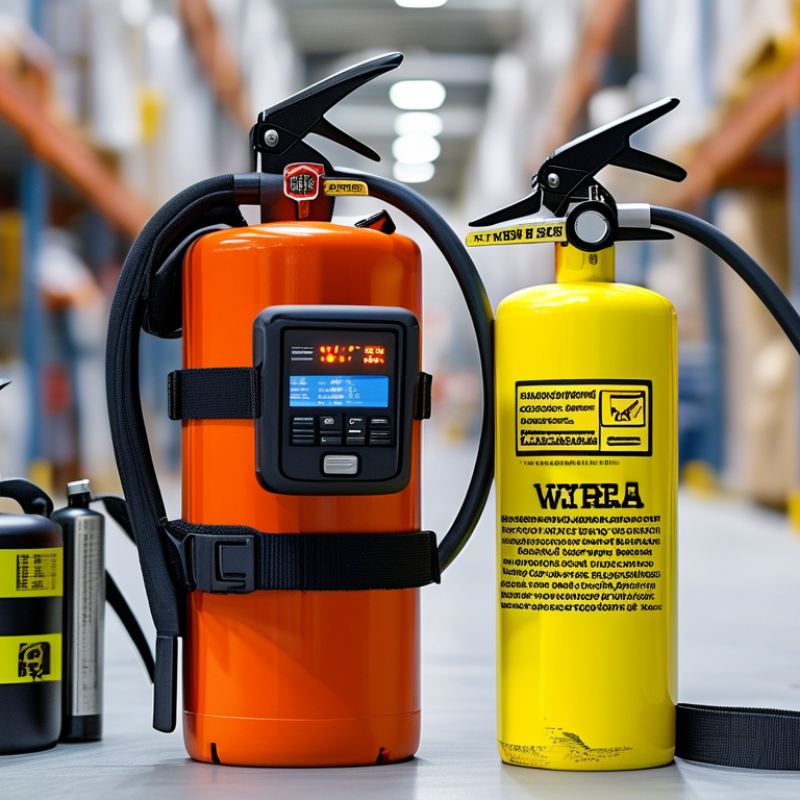
Why Are Portable Safety Devices Essential for Modern Workplaces?

The Importance of Safety in Modern Work Environments

In modern work environments, the importance of safety cannot be overstated. According to the National Safety Council, work-related injuries cost businesses over $170 billion annually. These figures underline the need for effective safety measures. Portable safety devices play a crucial role in mitigating risks. They provide immediate assistance in emergencies, protecting employees from potential hazards.

Implementing portable safety devices is not just a good practice; it’s essential for employee well-being. A report by the Occupational Safety and Health Administration (OSHA) indicates that workplaces with safety programs can reduce accident rates by up to 60%. Ensuring access to personal alarms, first aid kits, and fire extinguishers can create a safer working environment. Regularly checking and maintaining these devices ensures they function correctly when needed.

Tip: Invest in employee training on how to use safety devices effectively. This can significantly enhance response times in emergencies. Additionally, consider conducting frequent safety drills. These practices help reinforce a culture of safety and preparedness. Even with the best devices, human error can occur, necessitating a focus on training and awareness. Reflecting on these aspects can lead to improved safety standards in any workplace.

Types of Portable Safety Devices Used in Various Industries

Portable safety devices play a crucial role in modern work environments. These tools increase safety and prevent accidents in various industries. General construction sites often use personal fall arrest systems. These devices help protect workers from falls. Similarly, manufacturing companies frequently rely on emergency shut-off switches to halt machinery. Quick access to these systems can save lives.


In healthcare, portable safety devices are essential. Not only are there first aid kits, but also portable defibrillators. Having these items on hand can be lifesaving. In laboratories, personal protective equipment like safety goggles and gloves is vital. They protect workers from hazardous materials.


However, some businesses overlook the importance of regular maintenance for these devices.


Industries face challenges in ensuring all safety devices are up to date. Employees may not always know how to use them correctly. Training is often inconsistent. This raises questions about overall safety awareness. Addressing these issues is key to promoting a safer workplace. Stakeholders need to prioritize education and accessibility in safety protocols.

How Portable Safety Devices Enhance Employee Protection

In today's fast-paced work environments, portable safety devices play a critical role in enhancing employee protection. These devices are easily accessible and can be used across various settings. Whether in a factory, a construction site, or an office, their presence can significantly reduce injury risk. Workers can swiftly grab a safety device when an emergency arises. Their designs prioritize user-friendliness, ensuring that even those unfamiliar with safety protocols can react effectively.

Portable devices are often equipped with advanced features that may seem overwhelming at first. However, thorough training is essential to ensure that employees understand their functioning. For instance, a first-aid kit might contain numerous supplies, but without proper knowledge, the benefits diminish. This highlights a vital gap—knowing how to use these devices is just as crucial as having them on site. Regular drills can enhance familiarity and boost confidence among workers.

Another concern is the tendency to overlook these devices after their initial setup. Companies must remember that maintenance is vital. Devices need regular checks to ensure they remain functional. This often gets neglected in busy workplaces, leading to potential safety hazards. Continuous education and reminders about the importance of these portable safety devices should be integral to workplace culture.

Regulatory Standards and Compliance for Safety Devices

In today's fast-paced work environments, regulatory standards for safety devices are crucial. Compliance is not just a legal requirement; it ensures the well-being of employees. Organizations must stay updated on safety regulations relevant to their industry. This includes understanding specific guidelines laid out by regulatory bodies.

Portable safety devices can address various risks encountered daily. They include alarms, extinguishers, and first-aid kits, which must meet prescribed standards. These standards are designed to enhance reliability and functionality. Effective training in using these devices is also necessary. Employees should know how to respond in emergencies.

Failure to comply can have serious consequences. Not only does non-compliance lead to fines, but it also endangers lives. Organizations might overlook essential safety devices. This reflects a broader issue in workplace safety culture. Regular audits and updates are vital to maintain compliance. Safety should always be a priority, not an afterthought.

Portable Safety Devices Compliance in Modern Workplaces

Future Trends in Portable Safety Technology for Workplaces

The evolution of portable safety devices is reshaping workplace environments. As technology advances, these devices become more compact and efficient. Wireless technology allows for seamless communication between devices. Employers can receive real-time alerts about potential hazards. This rapid response capability is vital for protecting workers on-site.

Recent trends show an increased focus on user-centric design. Safety devices now prioritize ease of use, encouraging more employees to engage with them. For instance, wearable technology is gaining traction. Smart helmets and vests monitor environmental conditions. They track exposure to harmful substances, providing employees with crucial information.

While innovation is promising, challenges remain. Not all workplaces are equipped to implement these technologies effectively. Training staff on device usage is often overlooked. Additionally, companies must ensure data privacy when collecting personal information. The relationship between technology and safety is evolving, yet requires constant reflection and adaptation.

FAQS

: Why is safety important in modern work environments?

: Safety reduces work-related injuries that cost businesses over $170 billion annually.

How can portable safety devices improve safety?

They provide immediate assistance in emergencies, mitigating risks for employees.

What do regulatory standards ensure regarding safety devices?

They ensure employee well-being and compliance with legal requirements in the workplace.

What types of portable safety devices are essential?

Personal alarms, fire extinguishers, and first aid kits are crucial for workplace safety.

How can businesses train employees on safety devices?

Invest in training sessions and conduct regular safety drills to enhance response times.

What are some challenges in adopting new safety technology?

Many workplaces lack the resources to implement technologies and overlook staff training.

Why is regular auditing of safety devices important?

It ensures compliance and identifies overlooked devices, reinforcing a safety culture.

What role does user design play in safety devices?

User-centric design encourages engagement and usability among employees in emergency situations.

How does technology enhance safety in workplaces?

Wireless technology provides real-time alerts, allowing rapid responses to potential hazards.

What considerations come with collecting personal data through safety devices?

Companies must ensure data privacy while monitoring employee safety and conditions.

Conclusion

As workplaces evolve, the significance of safety remains paramount, leading to an increased focus on why portable safety devices are widely used. These devices are crucial for preventing accidents and ensuring employee wellbeing across various industries. From personal protective equipment to emergency response tools, portable safety devices are designed to enhance protection and promote a culture of safety at work.

Furthermore, regulatory standards play a vital role in the implementation of these devices, ensuring compliance and fostering safer work environments. As technology advances, the future of portable safety devices is set to evolve with innovations that further enhance their effectiveness. This ongoing development underscores the essential role that portable safety devices play in safeguarding employees and promoting a sustainable safety culture in modern workplaces.

Henry

Henry

Henry is a dedicated marketing professional with a profound expertise in the company's offerings. With years of experience in the industry, he possesses an impressive understanding of the market dynamics and consumer behaviors that drive success. Henry is committed to sharing his insights through......