How Global Regulations Impact Safety Equipment Manufacturing?

Time:2026-07-19 Author:Sienna
0%

Global regulations play a crucial role in shaping the safety equipment manufacturing landscape. These regulations ensure that products meet essential safety standards, impacting design, materials, and production processes. According to the International Safety Equipment Association, over 75% of manufacturers now adapt their practices to comply with new international safety standards. This shift highlights how global regulations affect safety equipment manufacturing.

Compliance can be challenging. Manufacturers often struggle with varying regulations across regions. For instance, the EU's Personal Protective Equipment Regulation (EU PPE) significantly differs from those in North America. These differences can lead to confusion and increased costs. Furthermore, non-compliance can result in significant financial penalties. Reports indicate that up to 30% of companies face fines for regulatory failures.

As these regulations continue to evolve, manufacturers must keep pace. Enhanced scrutiny on product safety is becoming the norm. Companies must invest in research and development to ensure compliance. This dynamic environment underscores the importance of understanding how global regulations affect safety equipment manufacturing, creating both challenges and opportunities for industry players.
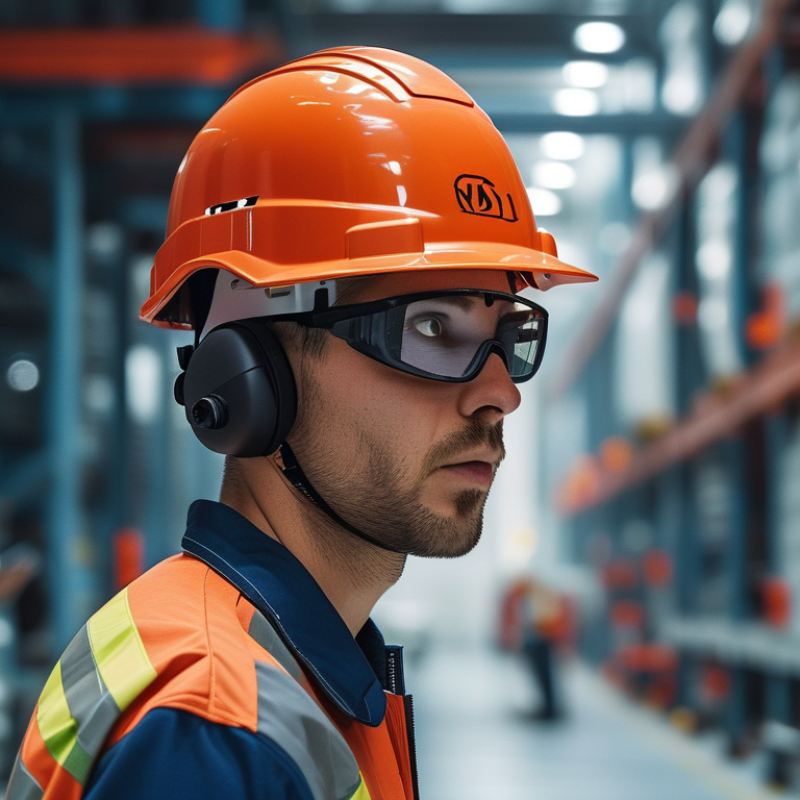
How Global Regulations Impact Safety Equipment Manufacturing?

Global Regulations: An Overview of Safety Equipment Standards

Global regulations play a critical role in shaping safety equipment manufacturing. These regulations establish standards that ensure the protection of workers across various industries. According to a report by the International Safety Equipment Association (ISEA), compliance with safety standards can reduce workplace injuries by up to 40%. This statistic highlights the importance of adhering to established guidelines.

In many regions, regulatory bodies define the requirements for personal protective equipment (PPE) and other safety devices. For instance, Europe has strict mandates governed by the Personal Protective Equipment Regulation (EU) 2016/425. Compliance with these standards not only promotes safety but also fosters innovation within manufacturing processes. Companies must stay updated with evolving regulations to maintain market access.

Despite strong regulations, challenges remain. Some manufacturers struggle to align product designs with complex requirements. Costs associated with compliance can deter smaller enterprises from entering the market. Moreover, the rapid pace of regulatory change can leave manufacturers scrambling. Continuous training and education about new regulations are crucial for maintaining high safety standards.

Key Regulatory Bodies Influencing Safety Equipment Manufacturing

Global regulations profoundly influence the manufacturing of safety equipment. Major regulatory bodies, such as OSHA in the United States, play a crucial role. Their guidelines set standards for workplace safety, impacting the design and production of safety gear. Manufacturers must stay updated on these regulations to ensure compliance.

In the European Union, the CE marking is essential. It signifies that a product meets safety and health requirements. Companies striving for CE certification face rigorous testing processes. This can be daunting, especially for small manufacturers with limited resources. The knowledge of these standards is vital, yet many manufacturers struggle to fully understand and implement them.

The process can create a competitive pressure. Companies investing in compliance often question if the returns justify the costs. Adapting to changing regulations requires agility and innovation. The balance between adhering to regulations and maintaining profitability can provoke self-reflection. How do manufacturers prioritize safety without sacrificing their bottom line?

Impact of International Agreements on Safety Equipment Design

International agreements significantly shape the design of safety equipment. These regulations ensure that products meet specific safety standards. The ISO 9001 certification is an example. This standard focuses on quality management in manufacturing processes, which directly impacts safety equipment. According to recent market analysis, compliance with such standards can boost consumer trust by 25%.

Manufacturers often struggle with balancing innovation and regulations. For instance, the introduction of eco-friendly materials is becoming mandatory in many regions. Yet, the transition can be challenging. A report by the World Health Organization indicates that using sustainable materials could improve product lifecycle safety. But it also adds complexities to production processes.

Furthermore, regulations can hinder rapid advancements. Emerging technologies, like AI in safety systems, might not align with existing safety standards. This friction can slow down the pace of innovation. Experts emphasize the need for regulatory frameworks to evolve alongside technological advancements. Striking a balance between compliance and innovation remains a pressing challenge for manufacturers in the safety equipment industry.

Regional Variations in Safety Equipment Regulations

Safety equipment regulations vary significantly across the globe. Each region has unique safety standards based on local needs and risks. For example, the European Union emphasizes strict compliance with safety certifications. This often leads to higher manufacturing costs. In contrast, regions with less stringent regulations may see lower prices, but potentially at the cost of safety.

Asia showcases a mixed regulatory landscape. Countries like Japan have rigorous standards. Others may not enforce existing regulations as strictly. Manufacturers need to navigate these differences carefully. They must adapt products to meet various region-specific requirements.

Navigating these varied regulations can be complex. Manufacturers often face challenges in ensuring compliance. This complexity can lead to inconsistent quality. Periodic reviews of regional regulations are necessary. They help ensure safety equipment meets evolving standards. Organizations must invest in understanding local regulations to safeguard user safety.

How Global Regulations Impact Safety Equipment Manufacturing? - Regional Variations in Safety Equipment Regulations

Region Regulation Authority Key Regulations Impact on Manufacturing
North America OSHA OSHA 29 CFR 1910 Requires compliance with safety standards leading to increased production costs.
Europe EU Directives Personal Protective Equipment (PPE) Directive Stricter product testing and certification process, affecting lead times.
Asia National standards (e.g., JIS, CNS) Japanese Industrial Standards (JIS) Varied compliance levels leading to inconsistent quality across manufacturers.
Australia Safe Work Australia Model Work Health and Safety Act Encourages manufacturers to prioritize safety features, boosting innovation.
Latin America Local labor laws Regulations vary by country Inconsistent regulations lead to challenges in standardizing products across the region.

The Future of Safety Equipment Manufacturing in a Regulated Market

The future of safety equipment manufacturing is increasingly shaped by global regulations. As industries strive for compliance, manufacturers face new challenges and opportunities. These regulations often require rigorous testing and certification of products. This leads to more sophisticated safety gear designed to withstand various hazards.

Innovation is crucial in a regulated market. Companies must develop equipment that not only meets these standards but also adapts to new threats. For instance, the rise of remote work has introduced unique challenges in personal protective equipment. Manufacturers need to consider these changes while maintaining product integrity.

However, navigating this landscape is complex. Many manufacturers find it hard to keep up with evolving regulations. This can lead to inconsistencies in product quality. Reflecting on this, the industry must prioritize adaptability. Developing a proactive approach can enhance both compliance and product safety. Balancing regulations with creativity remains a key focus for future growth in safety equipment manufacturing.

FAQS

: Why are global regulations important for safety equipment?

: They ensure worker protection and can reduce injuries by up to 40%.

What defines compliance in personal protective equipment (PPE)?

Regulatory bodies set specific requirements and standards for PPE design and effectiveness.

What does the CE marking signify?

It indicates that a product meets safety and health requirements in the European Union.

How do regulations affect small manufacturers?

Compliance costs can deter them from entering the market due to limited resources.

Why is continuous training on regulations necessary?

Rapid changes in regulations demand that manufacturers stay informed to ensure safety standards.

What is a common struggle for manufacturers regarding regulations?

Balancing innovation while complying with established safety standards can be challenging.

How does ISO 9001 certification impact safety equipment?

It focuses on quality management, which directly affects the safety and reliability of products.

What challenge arises from the shift to eco-friendly materials?

Transitioning to sustainable materials can complicate manufacturing processes.

What is a potential consequence of outdated regulations?

They may hinder rapid technological advancements in safety systems.

Why do some manufacturers question compliance costs?

They often wonder if safety investments will yield sufficient returns in the market.

Conclusion

Global regulations play a crucial role in shaping the safety equipment manufacturing industry. By establishing safety standards and guidelines, these regulations ensure that products meet specific quality and safety criteria, thereby enhancing user protection. Key regulatory bodies, such as international organizations and regional authorities, influence manufacturing practices by enforcing compliance and promoting best practices. The impact of international agreements further accelerates uniformity in equipment design globally, while regional variations highlight the need for manufacturers to adapt to diverse market needs.

In the context of how global regulations affect safety equipment manufacturing, the industry must navigate a landscape marked by both opportunities and challenges. Companies are increasingly required to innovate and comply with strict standards, which can drive advancements in technology and efficiency. As the market evolves, the future of safety equipment manufacturing will likely reflect a greater emphasis on regulatory compliance and sustainability, positioning firms to thrive in a highly regulated environment.

Sienna

Sienna

Sienna is a skilled marketing professional with a deep expertise in our company’s core products and services. With a passion for innovation and detail, she plays a pivotal role in crafting insightful blog posts that not only highlight the unique features of our offerings but also provide valuable......