Why is high visibility critical for worker safety? Because workers often share space with moving vehicles, equipment, and people who may not see them in time. At a loading dock, a forklift operator can face blind spots and competing visual cues. On a wet road at dusk, a worker may blend into the gray background. Bright, reflective clothing can make a person easier to notice, giving others more time to react. That extra moment matters.
High-visibility gear works best when it suits the task and stays visible. A vest covered by a jacket, dusty fabric, or poorly placed reflective strips may offer less benefit than expected. Workers should check their clothing for damage, keep it clean, and follow site-specific safety procedures. Supervisors can also assess lighting, traffic routes, and equipment blind spots rather than treating clothing as the whole solution. It is not a substitute for barriers, training, or attentive equipment operation.
Small details matter. A reflective band catching headlights can stand out; a loose vest snagging near machinery is a different concern. There is no single garment that fits every job, and visibility can change with weather, distance, and background. That deserves attention. Understanding why high visibility is critical for worker safety helps teams make practical choices, while also reminding them to review what is—and is not—working on site.
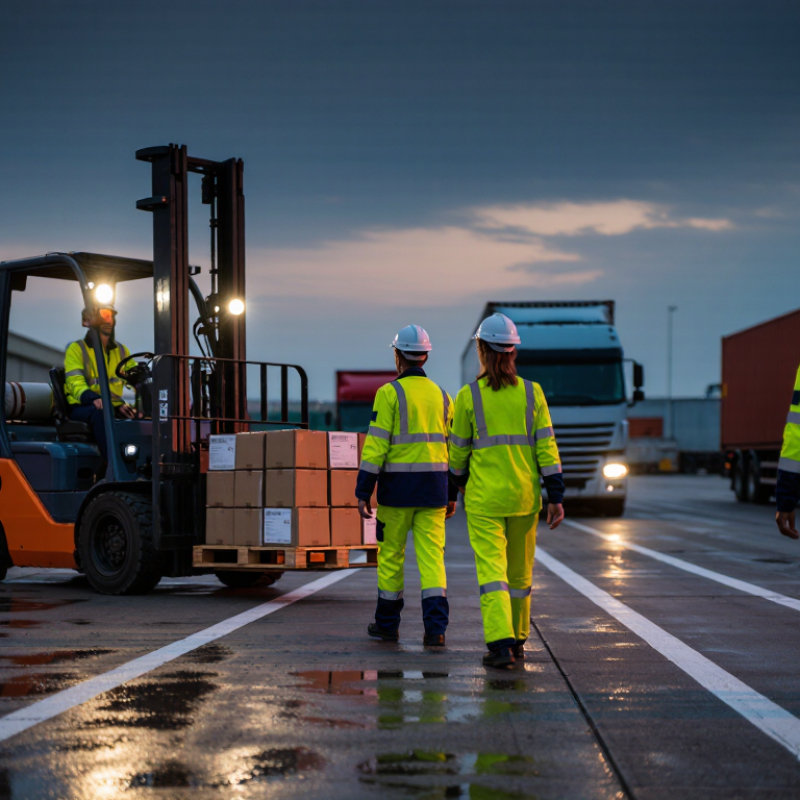
High-visibility workwear uses bright fluorescent material and reflective bands to help workers stand out. Fluorescent fabric absorbs ultraviolet light and returns visible light, making it easier to notice in daylight, shade, or overcast weather. Retroreflective bands work differently. They send light back toward its source, such as approaching vehicle headlights, so a moving person is easier to detect after dark.
That matters.
A vest may look vivid under a warehouse lamp but become harder to see against a similarly bright background. Reflective strips help in darkness, but they cannot replace good lighting or safe work practices. Garments should suit the task, surroundings, and likely light conditions. Fit matters too: an open jacket, folded band, or tool belt can cover the areas meant to be seen.
Small details.
Workers can check whether bands remain attached and whether fabric is faded, torn, or heavily soiled. Dirt and repeated washing may reduce visibility, depending on the garment and care instructions. A quick inspection before a shift is useful, though it is easy to skip when work is rushed. Layering also deserves attention; a coat worn over a vest can hide its bright panels. The most visible option is not always the most comfortable one, so workers may need to balance coverage, movement, weather, and the hazards around them.
Poor visibility turns routine movement into a timing problem. A forklift may emerge from a shadowed loading bay while a worker checks a pallet, or a driver may see a roadside crew only at the last moment. In its 2023 Census of Fatal Occupational Injuries, the U.S. Bureau of Labor Statistics recorded 1,942 fatal work injuries involving transportation incidents. That figure does not prove poor visibility caused those deaths, but it shows how often work and moving vehicles intersect. The Federal Highway Administration reported 891 deaths in work-zone crashes in 2022. The number includes workers and other road users.
Fluorescent clothing helps workers stand out in daylight; reflective bands return light toward vehicle headlights at night. Yet a vest cannot fix glare, blind corners, cluttered walkways, or a reversing vehicle’s limited sightline. That gap matters. Teams should consider visibility alongside lighting, traffic separation, clear signals, and equipment checks. On a wet shift, reflective strips can be obscured by mud, and a bright jacket may blend into warning signs or machinery. It is easy to assume everyone has seen the worker. That assumption deserves a second look. Supervisors can inspect clothing condition and sightlines before work begins, then adjust controls when conditions change.
High-visibility gear helps drivers and equipment operators notice workers sooner, especially when backgrounds are busy or light is poor. The U.S. Bureau of Labor Statistics recorded 5,283 fatal work injuries in 2023, including 1,942 involving transportation incidents. That figure does not measure how many accidents visibility clothing prevents, but it shows why workers near moving vehicles need clear visual signals. A bright vest can make a person stand out against gray pavement, while reflective bands can catch headlights at dusk.
The U.S. National Highway Traffic Safety Administration reported 7,522 pedestrian deaths in 2022. Roadside workers face a different mix of hazards, but the numbers underline the risks around traffic. Gear should suit the setting: fluorescent colors help in daylight, and retroreflective material helps at night. A vest hidden beneath a rain jacket, covered in dust, or poorly fitted may be less visible than intended. Small details matter. So does placement: reflective bands on arms and legs can help reveal movement, not just a person’s outline. ANSI/ISEA 107 sets performance requirements for high-visibility apparel, but clothing is only one layer of protection. It cannot replace safe work zones, attentive drivers, or clear communication. And honestly, a vest can feel like enough when it isn’t.
High-visibility clothing helps workers stand out so drivers and equipment operators can recognize them sooner. The chart illustrates how far a vehicle travels during a 1.5-second reaction interval at different speeds.
Illustrative calculations: distance = speed × 1.5 seconds. These figures show reaction distance only; they are not measurements of high-visibility gear’s effect and do not include braking distance.
High-visibility clothing should match the worksite, not just look bright. Consider traffic speed, equipment movement, lighting, and the distance workers need to be seen from. A fluorescent vest may stand out in daylight, while reflective bands help when headlights or work lights strike them. Visibility is contextual. Choose garments that fit without catching on tools or restricting movement. Check that coverage remains clear when workers bend, reach, or wear a harness.
Comfort matters, too. Heat, rain, and cold can change which layers workers will actually keep on. Select clothing designed for the expected conditions, and make sure outer layers do not hide reflective areas. Follow applicable workplace requirements and the garment maker’s instructions. There is no perfect garment for every task; sometimes a choice that seems obvious on paper feels awkward during a full shift.
Inspect clothing regularly, especially after washing or rough work. Look for torn seams, faded fabric, peeling reflective tape, and dirt that dulls bright areas. Replace garments when damage or wear reduces their visibility, rather than waiting for a scheduled review. Washing instructions are easy to overlook. A simple inspection before each shift can catch a loose strip or stain, though it cannot make worn clothing safe again.
High-visibility clothing helps workers stand out near moving vehicles, equipment, and busy work areas. A fluorescent vest catches attention in daylight, while reflective strips return light from headlights after dark. But being seen does not stop a vehicle or remove a hazard.
Visibility gear works best alongside practical controls. At a loading bay, separate pedestrian routes from reversing vehicles with barriers or clearly marked walkways. Use trained spotters where drivers have blind spots, and agree on clear hand signals or radio calls. Keep work areas lit, especially around entrances, corners, and temporary obstacles. These steps give workers and drivers more chances to notice danger and respond.
A vest can feel reassuring. That can be misleading. The right garment still needs to fit properly, stay clean, and suit the task and lighting conditions. Mud, rain, or a loose jacket can hide reflective details. Supervisors should check gear during routine inspections and replace damaged items. Workers also need instruction on traffic routes, equipment movement, and what to do when visibility drops. No setup is perfect; even a well-marked walkway can become blocked by pallets or tools, so conditions need regular attention.
Fluorescent fabric absorbs ultraviolet light and reflects visible light. It helps workers stand out in daylight, shade, and cloudy weather. Bright backgrounds can still make it harder to notice.
Retroreflective bands send light back toward its source, such as vehicle headlights. This can make workers easier to see after dark. They do not replace good lighting.
No. A vest cannot fix blind corners, glare, cluttered walkways, or a reversing vehicle’s limited sightline. Visibility works best alongside clear signals and traffic separation. That takes attention.
Look for faded fabric, torn seams, loose reflective tape, and dirt covering bright areas. Check that bands remain attached. A quick check helps.
It should allow workers to bend and reach without restricting movement or catching on tools. Check coverage while wearing a harness or tool belt. Small details matter.
Yes. A coat worn over a vest may cover bright panels or reflective bands. Choose layers that keep these areas visible. Easy to overlook.
Replace it when damage, fading, heavy soil, or peeling tape reduces visibility. Follow its care instructions, but washing cannot restore worn fabric.
Consider heat, rain, and cold when selecting layers for a shift. Workers need clothing they can keep on comfortably. There may be no perfect choice.
High-visibility workwear is designed to help workers stand out against their surroundings, especially in low light, busy areas, or places with moving vehicles and equipment. Bright colors draw attention during the day, while reflective details help make workers more noticeable when illuminated at night. Understanding why is high visibility critical for worker safety starts with recognizing that poor visibility can delay a person’s reaction, increasing the chance of collisions, near misses, and other workplace accidents.
Choosing suitable clothing means considering the work environment, lighting conditions, fit, and comfort. Garments should remain clean, intact, and unobstructed so their visible features can do their job. High-visibility gear is an important layer of protection, but it cannot prevent every hazard on its own. Workers and employers should also use clear communication, safe work procedures, appropriate barriers, and other relevant protective equipment to reduce risks and support a safer workplace.

Agonex Safety