In today’s complex industrial landscape, safety should never be compromised. Companies need to prioritize visibility to prevent accidents and promote worker welfare. Recognizing what industries require high visibility safety solutions is crucial for creating a secure work environment. Industries such as construction, manufacturing, and warehousing often operate in high-risk zones. These sectors face dangers that can lead to serious injuries or fatalities.
Visibility is a key element that enhances safety. Workers in these industries often work in low-light or high-traffic areas. A lack of proper visibility can lead to mishaps, even with safety protocols in place. In construction, reflective gear can save lives. In manufacturing, bright uniforms help spot workers quickly amidst machinery. However, some organizations overlook the need for visibility enhancements. This oversight may lead to dangerous situations that could have been easily avoided.
Understanding what industries require high visibility safety solutions is not straightforward. Organizations must assess their unique environments. They need to analyze their specific criteria, potential hazards, and existing safety measures. Ensuring visibility should be part of a comprehensive safety strategy. It is vital for fostering a culture of safety that not only meets regulations but also shows a genuine commitment to protecting workers.
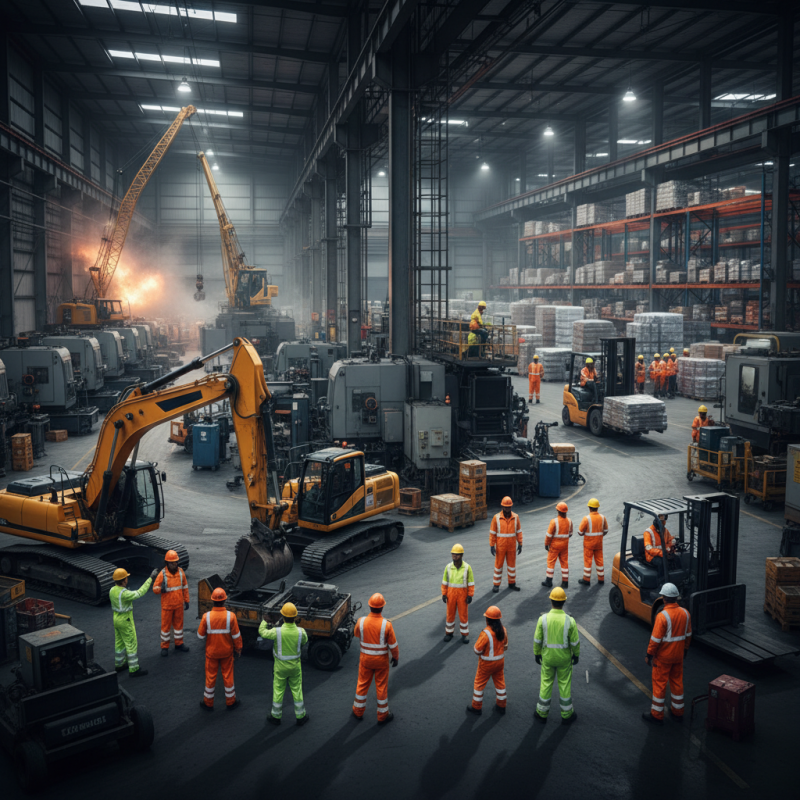
High visibility safety solutions play a crucial role in various industries. Workers in construction, transportation, and manufacturing face numerous hazards daily. Visibility is key to preventing accidents. High visibility gear makes it easier for workers to be seen, especially in low-light conditions or busy environments.
Understanding the importance of these solutions goes beyond compliance. It directly impacts worker safety and productivity. Research shows that enhanced visibility reduces the risk of accidents. However, not every industry prioritizes high visibility equipment. This oversight can lead to serious injuries or fatalities. Companies should evaluate their environments critically.
Awareness of specific risks is vital. Regular training on safety practices is necessary. Integrating visibility solutions into workplace culture can foster a safer environment. Companies might question their commitment to safety, but the statistics are compelling. Investing in high visibility solutions can save lives and reduce costs related to workplace injuries.
: Evaluating safety incident rates highlights industries with urgent safety needs. This analysis is crucial for enhancing worker protection.
Industries like construction and manufacturing often report higher incident rates due to hazardous working conditions.
Workplaces with better visibility measures tend to report fewer accidents. This connection emphasizes the importance of adopting such measures.
Workers provide insights into daily hazards that statistics may miss. Their experiences are vital for improving safety protocols.
Poor lighting in remote areas increases accident risks. Addressing this issue is essential to enhance overall safety.
Regulatory standards determine the necessary safety visibility needs in various industries. Compliance with these guidelines is critical.
Studies show that high-visibility apparel can reduce accident risks by up to 50%. Wearing appropriate safety gear saves lives.
Many organizations fail to implement effective safety measures due to overlooked guidelines and evolving standards.
Regular audits and training can ease the transition to better safety standards. Continuous adaptation is necessary for effective solutions.
Investing in high-visibility safety solutions is frequently deprioritized. This mindset can lead to gaps in worker protection.
High visibility safety solutions are crucial in various industries where safety compliance is paramount. To identify what industries require high visibility safety solutions, one must first understand the significance of these measures in preventing workplace accidents. Key industries often face challenges in maintaining safety compliance, particularly those with higher incident rates or stringent regulatory standards. Analyzing these factors enables businesses to prioritize their safety strategies effectively.
Furthermore, assessing workplace conditions plays a vital role in determining safety requirements. Sectors such as construction, transportation, and manufacturing frequently experience high exposure to hazards, making visibility essential. By evaluating safety incident rates and understanding how regulatory standards influence visibility needs, organizations can implement appropriate safety solutions that enhance worker protection and compliance in high-risk environments.

 Agonex Safety