Top 10 Ways to Improve Visibility in Low Light Work Environments?

Time:2026-07-24 Author:Ethan
0%

Working in low light environments poses significant challenges. Many industries, from construction to healthcare, face visibility issues. Understanding how to improve visibility in low light work environments is crucial for safety and efficiency.

Effective lighting solutions can make a difference. For instance, using LED lights reduces shadows and enhances clarity. Portable work lights are also invaluable in dark spaces. Workers often underestimate the impact of personal protective equipment (PPE) as well. Reflective clothing and gear can increase visibility significantly.

However, these solutions also require mindful implementation. Over-illumination can cause glare, creating new visibility issues. Regular assessments of lighting needs in workspaces are essential. Workers must be trained to adapt to varying light conditions. Ultimately, improving visibility is an ongoing process that requires attention and adaptation.
Top 10 Ways to Improve Visibility in Low Light Work Environments?

Understanding the Challenges of Low Light Work Environments

Low light work environments present unique challenges. Vision fatigue often sets in quickly. Workers might struggle to see tasks clearly. This can lead to mistakes and decreased productivity. Proper lighting is crucial, but many places lack adequate illumination. Poor visibility can also increase the risk of accidents. It's essential to identify these risks early.

Adapting to low light is not just about adding more light. Many factors impact visibility. Surface textures and colors affect how well we see details. For example, shiny surfaces can create glare. Understanding how different materials interact with light is key to improving safety. Additionally, personnel need training on working in such conditions. They should learn techniques to enhance focus and awareness.

Incorporating tools like reflective gear can help. However, simply wearing reflective clothing isn’t always enough. Careful evaluation of the workspace is needed. High-contrast items can significantly impact visibility. Yet, workers might overlook these simple solutions, leading to repeated errors. Continuous improvements are vital in creating safer environments. Reflecting on the challenges should drive enhancement efforts.

Choosing Correct Lighting Solutions for Better Visibility

In low light work environments, choosing the right lighting solutions is crucial for improving visibility. LED lights are often a go-to option. They provide bright, focused illumination, helping workers see clearly in dim conditions. However, too much brightness can create glare, which hinders visibility. It’s vital to strike a balance.

Consider the color temperature of your lights. Warmer tones may provide a cozy atmosphere but can also hinder detail recognition. Cooler tones enhance visibility but may feel harsh over extended periods. Evaluate the specific tasks being performed. What works for one job might not suit another. Always test different lighting scenarios to see what truly works for your team.

Reflecting on placement is another key aspect. Overhead lights can cast shadows, making it difficult to see details on surfaces. Task lighting is often necessary in specific areas. However, some might forget to adjust their lighting as their tasks change. Regular assessments will help ensure the lighting meets evolving work needs. A thoughtful approach to lighting can significantly enhance safety and productivity in low light situations.

Top 10 Ways to Improve Visibility in Low Light Work Environments

Utilizing Reflective Gear and Accessories for Enhanced Safety

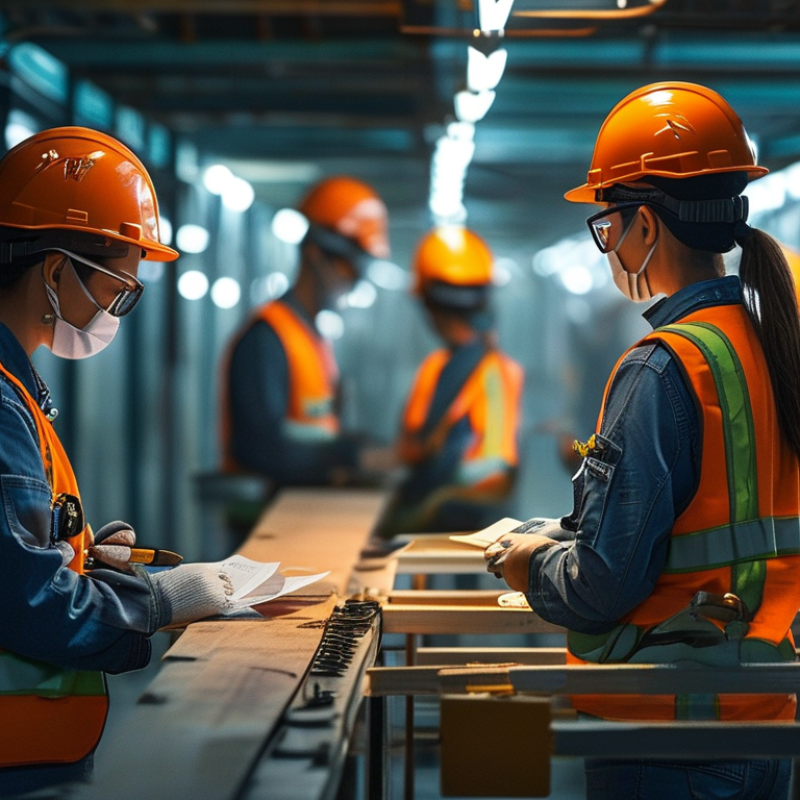
In low light work environments, safety is paramount. Utilizing reflective gear can significantly enhance visibility. Reflective vests are essential for workers near traffic or heavy machinery. These vests easily catch light, making workers noticeable from a distance. When combined with appropriate lighting, the effect is amplified.

Reflective accessories, such as armbands, belts, and wristbands, further improve safety. They offer additional visibility without compromising comfort. Different colors and patterns can increase recognition among co-workers and prevent accidents. Magnetic reflective clips can attach to bags or uniforms, making them versatile and easy to use.

However, some may not focus on the importance of such gear. People often underestimate low light conditions. Encountering hazards becomes more likely without proper reflective equipment. Regular training and reinforcement about the need for visibility can help. Workers should be encouraged to evaluate their gear regularly for effectiveness. Are they using enough reflective materials? Do they blend in rather than stand out? Engaging in open discussions about safety can lead to a culture of awareness in challenging environments.

Implementing Technology for Improved Nighttime Visibility

Implementing technology to enhance visibility in low-light work environments is crucial for safety and productivity. Advanced lighting solutions play a significant role. LED lights can illuminate large areas effectively, while portable work lights provide flexibility in positioning. Consider motion sensor lights for unoccupied spaces, reducing energy costs without compromising visibility.


Tips: Evaluate your workspace's specific lighting needs. Use adjustable lighting to focus on crucial areas. Regularly inspect and maintain all lighting equipment.


Reflect on how technology can sometimes fail. Power outages or equipment malfunctions can disrupt operations. Backup lighting options are essential. Think about integrating wearable technology like reflective gear that interacts with ambient light. It’s easy to overlook these details, but they can ensure safety in dark conditions.


Tips: Conduct regular training on using new technology. Encourage team members to share experiences and suggestions. Foster a culture of continuous improvement and awareness.

Training Employees on Safety Practices in Low Light Conditions

In low light work environments, training employees on safety practices is crucial. Workers often face visibility challenges that can lead to accidents. Without proper training, they may not recognize hazards. This oversight could result in injuries or even worse consequences.


Effective training should focus on the importance of using personal protective equipment (PPE). Even in dim lighting, reflective gear can enhance visibility. Simple actions, like using clips to secure loose clothing, can prevent tripping. Regular drills in low light conditions reinforce practical skills and awareness. Employees can practice identifying potential hazards and learn how to navigate safely.


Employers should encourage a culture of safety. Regular feedback sessions can identify areas for improvement. Employees might hesitate to ask questions about safety protocols. Addressing this can boost confidence and ensure everyone understands the risks involved. Real-life scenarios in training can illuminate potential pitfalls. Overall, investing in safety training not only protects employees but also fosters a more secure workplace.

FAQS

: Why is lighting important in low light work environments?

: Lighting enhances visibility, helping workers see clearly and avoid accidents in dim conditions.

What type of lighting is commonly recommended?

LED lights are often recommended for their bright, focused illumination, improving visibility.

Can too much brightness affect visibility?

Yes, excessive brightness can create glare, making it harder to see clearly.

How does color temperature impact visibility?

Warmer tones create a cozy feel but can hinder detail recognition. Cooler tones enhance visibility.

Why is lighting placement important?

Overhead lights can cast shadows, hindering visibility on work surfaces.

How can employees improve their visibility in low light?

Using reflective gear and securing loose clothing can enhance visibility and prevent tripping.

What role does training play in low light conditions?

Training helps workers recognize hazards, improving safety awareness and preventing accidents.

How often should lighting solutions be assessed?

Regular assessments are necessary to adapt lighting to evolving work needs and tasks.

What should employers do to foster a safety culture?

Employers should encourage feedback and address safety concerns to boost confidence among employees.

What is a common oversight in lighting adjustments?

Some may forget to adjust lighting as tasks change, impacting visibility and safety.

Conclusion

In low light work environments, ensuring adequate visibility is crucial for safety and productivity. This article explores how to improve visibility in low light work environments by first understanding the unique challenges posed by such settings. Key strategies include selecting appropriate lighting solutions that enhance illumination, as well as utilizing reflective gear and accessories that increase worker safety.

Additionally, implementing advanced technology can significantly boost nighttime visibility, and providing thorough training for employees on safety practices in low light conditions is essential. By adopting these methods, organizations can create a safer and more efficient working environment, minimizing risks associated with low visibility.

Ethan

Ethan

Ethan is a seasoned marketing professional with a deep expertise in our company's innovative product line. With a passion for sharing knowledge and insights, he takes the lead in regularly updating our corporate blog, where he explores industry trends, product features, and effective marketing......