What Industries Need High Visibility Safety Solutions?

Time:2026-10-02 Author:Sophia
0%

What industries require high visibility safety solutions? The answer extends far beyond highway construction. Any workplace where people share space with moving vehicles, mobile equipment, trains, aircraft, or low-light conditions may require stronger visual recognition.

The U.S. Bureau of Labor Statistics reported 5,283 fatal occupational injuries in 2023. Transportation incidents remained the leading event category. The Federal Highway Administration recorded 891 work-zone fatalities in 2022. These figures show why a worker beside traffic needs more than awareness. They need to be noticed early.

Construction crews, road maintenance teams, utility workers, warehouse employees, airport ground staff, railway personnel, miners, waste collectors, and emergency responders all face changing visibility risks. ANSI/ISEA 107-2020 provides the principal U.S. framework for high-visibility apparel. It addresses garment performance, background material, retroreflective material, and design classes.

OSHA Assistant Secretary Doug Parker stated, “Every worker deserves to return home safely at the end of every workday.” High-visibility clothing supports that goal by making a person easier to detect against asphalt, steel racks, snow, dust, or flashing vehicle lights.

Yet visibility is not a complete safety system. That distinction matters. A vest cannot replace traffic separation, lighting, training, equipment inspections, or a job hazard analysis. Garments can also become dirty, damaged, or poorly fitted. Their protection may decline quietly.

This guide examines what industries require high visibility safety solutions, how risks differ by workplace, and which specifications support practical decisions. The uncomfortable question remains simple: can drivers and operators see workers soon enough to react?
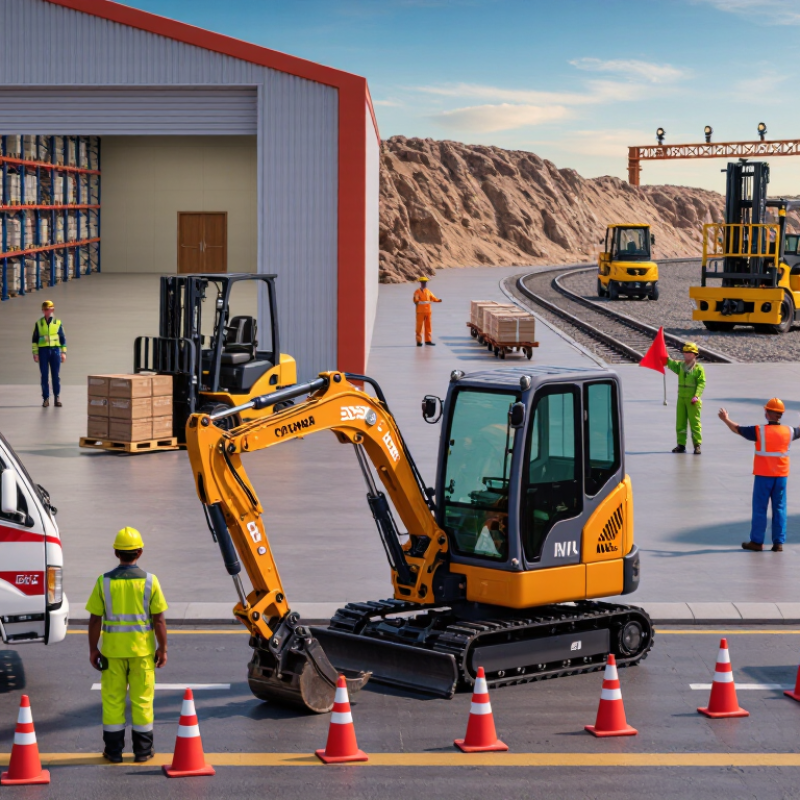
What Industries Need High Visibility Safety Solutions?

What Are High Visibility Safety Solutions?

High visibility safety solutions are systems that help workers remain noticeable in changing conditions. They combine bright fluorescent materials with reflective bands that return light toward drivers, operators, and nearby crews. Common examples include vests, jackets, trousers, helmets, gloves, and temporary warning barriers. These items support recognition during daylight, rain, fog, night shifts, and dusty work.

The right solution depends on the workplace. A road worker may need reflective clothing that remains visible beside moving traffic. A warehouse employee may need a contrasting vest near forklifts and storage racks. Utility crews often require durable outerwear, weather protection, and reflective markings across the torso, arms, and legs. Clothing should fit securely without restricting movement. Loose fabric can catch on equipment, while worn reflective tape may lose performance after repeated washing.

Visibility is only one part of risk control. Lighting, vehicle alarms, clean walkways, worker positioning, and clear communication also matter. A bright vest cannot prevent every incident. It may fail when covered by a raincoat, dirt, tools, or an open safety harness. That detail is easy to overlook. Regular inspections should check fading, tears, missing reflective sections, and poor fit. Workers should also understand when visibility changes during a shift, especially near reversing vehicles or poorly lit entrances. Practical site experience often reveals weaknesses that written procedures miss.

Industries That Need High-Visibility Safety Solutions

High-visibility garments and accessories help workers remain noticeable around vehicles, mobile equipment, and low-light work areas. The chart shows fatal occupational injuries in selected U.S. industry sectors in 2023, highlighting where stronger worker conspicuity can be especially important.

Data source: U.S. Bureau of Labor Statistics, Census of Fatal Occupational Injuries, 2023. High-visibility solutions should complement traffic controls, equipment separation, lighting, training, and other workplace safety measures.

Why Do Different Industries Require High Visibility Protection?

Different industries require high visibility protection because workers face different backgrounds, speeds, lighting, and traffic patterns.

A road worker may stand beside moving vehicles, while a warehouse employee works among forklifts, shelves, and changing shadows. Visibility must fit the hazard.

1,495 fatal injuries among transportation and material-moving workers in 2023
7,522 pedestrian deaths in 2022

The U.S. Bureau of Labor Statistics recorded 1,495 fatal injuries among transportation and material-moving workers in 2023. The National Highway Traffic Safety Administration reported 7,522 pedestrian deaths in 2022. These figures do not prove that high visibility clothing prevents every incident. They show why recognition time matters.

Reflective panels, fluorescent colors, and clear body outlines can help drivers and operators identify people earlier. ANSI/ISEA 107-2020 and ISO 20471 also address garment performance, background material, and retroreflective visibility.

Different work settings need different protection levels. Construction crews may need full-body coverage near fast traffic. Utility workers often need visibility during dawn, rain, or power outages. Airport and logistics teams may require garments that remain visible across concrete, vehicles, and artificial lighting.

Fit matters too. Loose clothing can catch equipment, while oversized layers may hide reflective areas.

Visibility is not a magic shield. A clean vest can still fail when workers face away from traffic or wear dark outer layers over it.

Supervisors should assess site speed, weather, lighting, and worker movement before selecting garments. That step is sometimes skipped. It should not be.

Which Outdoor and Roadside Industries Depend on High Visibility Gear?

Road construction crews depend on high visibility gear beside moving traffic, especially during dawn, rain, and dusty afternoon shifts. Utility technicians also need clear visibility when repairing streetlights, power lines, or underground services. Their work often places them near vehicles, uneven ground, and changing weather.

Roadside assistance teams, traffic control workers, waste collectors, and railway maintenance crews face similar risks. Reflective bands can catch a driver’s headlights from a distance. Bright outer layers help workers stand out against asphalt, grass, shadows, and work vehicles. Reliable solutions should fit the task, remain visible after washing, and allow comfortable movement. A thick jacket may improve warmth but restrict climbing. That trade-off deserves attention.

Tips: Match clothing to the background and weather. Check reflective areas before every shift. Replace torn, faded, or heavily soiled gear. Layer carefully, because hidden reflective strips reduce visibility. Supervisors should record inspections and discuss near misses with crews. A simple checklist helps, although it cannot replace practical judgment. Even experienced teams sometimes overlook visibility during short roadside tasks. Those moments can become the most dangerous. Workers should also confirm that garments meet applicable workplace requirements and suit the site’s traffic conditions.

How Do Construction, Manufacturing, and Warehousing Use Visibility Solutions?

Construction sites change hourly. Steel frames, delivery trucks, and temporary barriers constantly alter sightlines. The U.S. Occupational Safety and Health Administration identifies struck-by hazards among construction’s leading fatal risks. The Bureau of Labor Statistics recorded more than 1,000 construction-related workplace deaths in 2023. High-visibility garments, illuminated signs, and separated walkways help workers notice each other earlier. Supervisors should also reposition signs as the site develops. Static controls often become invisible background.

Manufacturing requires visibility around forklifts, conveyors, loading points, and machine entrances. The Bureau of Labor Statistics reported 1,495 fatal injuries among transportation and material-moving occupations in 2023. That figure includes work environments closely connected to warehouses and plant logistics. Floor markings can define pedestrian lanes, while contrasting barriers make equipment movement easier to read. Cameras and warning lights add useful context. They cannot replace trained operators or disciplined traffic rules.

Warehouses need layered visibility. High-bay lighting, aisle markings, reflective clothing, pedestrian zones, and visual alerts should work together. National Institute for Occupational Safety and Health guidance emphasizes separating pedestrians from powered industrial trucks whenever possible. The weak point is human behavior. A flashing beacon loses value when every aisle flashes. Safety teams should test controls during receiving, picking, and night shifts. Some solutions will fail in real conditions. That failure deserves measurement, not excuses.

What Industries Need High Visibility Safety Solutions? - How Do Construction, Manufacturing, and Warehousing Use Visibility Solutions?

Industry Typical Work Areas Main Visibility Risks Common Visibility Solutions How Solutions Are Used Relevant Safety Requirements Operational Benefits
Construction Road and bridge projects, building sites, excavation areas, lifting zones, and temporary traffic-control areas. Moving vehicles, mobile equipment, changing work zones, dust, poor weather, low light, and workers positioned near traffic. High-visibility vests, jackets, shirts, trousers, rainwear, hard-hat markings, reflective tape, illuminated beacons, and temporary warning systems. Workers wear high-visibility garments matched to the site risk assessment; reflective materials help identify personnel in headlights or other low-light conditions. High-visibility apparel is commonly selected according to ANSI/ISEA 107 in the United States or EN ISO 20471 in applicable markets. Traffic-control layouts also follow the requirements of the applicable road authority. Improves worker recognition, supports separation from vehicle routes, and helps supervisors identify personnel in complex or changing work zones.
Manufacturing Production floors, assembly lines, loading docks, maintenance areas, warehouses, and zones shared by pedestrians and powered industrial trucks. Forklifts, automated guided vehicles, cranes, conveyors, obstructed sight lines, machine noise, glare, and high-traffic intersections. High-visibility shirts and vests, contrasting workwear, reflective panels, pedestrian warning lights, illuminated crossing signs, floor markings, and designated walkways. Garments make employees more noticeable to operators, while visual controls define pedestrian routes, restricted areas, crossing points, and vehicle operating zones. Employers generally use a documented hazard assessment and applicable workplace rules for powered industrial trucks, machine areas, emergency routes, and personal protective equipment. Supports pedestrian–vehicle separation, strengthens visual communication, and helps workers remain identifiable during maintenance, material handling, and shift changes.
Warehousing and Distribution Receiving docks, storage aisles, order-picking zones, cross-docking areas, trailer yards, parking areas, and dispatch lanes. Forklifts and pallet trucks, reversing vehicles, dock edges, trailer movement, blind corners, high shelving, and reduced visibility during loading or night operations. High-visibility vests or shirts, reflective outerwear, dock-edge lighting, vehicle strobes, pedestrian signals, convex mirrors, floor striping, and illuminated signage. Employees wear visible garments in vehicle-intensive areas; facilities combine them with marked pedestrian lanes, crossing controls, dock communication systems, and traffic-management procedures. Workplace controls are normally based on traffic-management procedures, powered-industrial-truck requirements, pedestrian access rules, and the site’s documented risk assessment. Makes pedestrians easier to detect, improves awareness around loading operations, and provides clearer visual separation between people, vehicles, and storage equipment.
Selection principle: The appropriate visibility solution depends on traffic exposure, background conditions, lighting, weather, work speed, garment durability, and the employer’s documented hazard assessment. High-visibility apparel should complement—not replace—engineering controls, safe pedestrian routes, warning systems, training, and traffic-management procedures.

What Factors Determine the Right Visibility Solution for Each Industry?

High-visibility safety solutions serve construction, logistics, road maintenance, mining, utilities, airports, and emergency services. The need is measurable. The U.S. Bureau of Labor Statistics reported 5,283 fatal occupational injuries in 2023. Transportation incidents caused 36.8% of those deaths. Visibility deserves serious attention near vehicles, moving equipment, and low-light work areas.

The right solution depends on the hazard, not the industry label. A warehouse worker may need contrasting garments that remain visible between shelving. A road crew may require retroreflective materials, lighting, and clear separation from traffic. Mining sites add dust, vibration, darkness, and equipment blind spots. ISO 20471 and ANSI/ISEA 107 provide useful performance frameworks, but standards cannot replace a site assessment. Distance, background color, weather, worker movement, and viewing angle all matter.

Fit and maintenance also influence real protection. A loose vest can catch on machinery. Dirt can reduce reflective performance. Heat can make workers remove protective clothing. The National Safety Council reported that preventable workplace deaths remained above 4,500 annually in recent U.S. data, showing that practical control measures still matter. Field reviews should examine visibility during actual tasks, including dawn, rain, glare, and night shifts. A brighter garment is not automatically better. Sometimes the missing factor is worker training, equipment positioning, or poor lighting. That is worth admitting.

FAQS

Why do different industries need different high-visibility protection?

Workers face different backgrounds, speeds, lighting, and traffic patterns. A road worker stands near moving vehicles. A warehouse worker moves beside forklifts and tall shelves. Visibility must match the hazard. One garment cannot solve every situation.

Which outdoor workers commonly depend on high-visibility clothing?

Road crews, utility technicians, traffic controllers, waste collectors, and railway maintenance teams often need it. They may work beside asphalt, grass, vehicles, and uneven ground. Dawn, rain, dust, and darkness can reduce contrast. Reflective bands can catch headlights from farther away.

What should roadside workers check before each shift?

They should inspect reflective strips, bright fabric, fasteners, and visible damage. Torn, faded, or heavily soiled clothing needs replacement. Layers should not cover reflective areas. A quick checklist helps. Short tasks still carry risk.

How does high-visibility protection support construction work?

Construction sites change throughout the day. Steel frames, trucks, barriers, and shadows can alter sightlines quickly. Bright clothing helps workers recognize each other sooner. Separated walkways and repositioned signs add protection. Static signs may become background scenery.

How is visibility managed in manufacturing areas?

Manufacturing teams work around forklifts, conveyors, loading points, and machine entrances. Contrasting barriers can make equipment movement easier to understand. Floor markings can separate pedestrians from vehicles. Warning lights and cameras provide extra information. They cannot replace trained operators.

What visibility controls work well in warehouses?

Warehouses need several controls working together. Useful measures include aisle markings, pedestrian zones, reflective clothing, strong lighting, and visual alerts. Workers should be separated from powered vehicles whenever possible. Teams should test controls during receiving, picking, and night shifts. A flashing beacon becomes weaker when everything flashes.

How do weather and lighting affect garment selection?

Rain can darken fabric and reduce contrast. Dust may cover reflective surfaces. Artificial lighting can create confusing shadows across concrete floors. Choose clothing that remains visible in the actual work environment. The brightest option is not always the most practical one.

Can loose or oversized clothing reduce safety?

Yes. Loose clothing may catch on equipment. Oversized layers can hide reflective panels. Thick jackets may improve warmth but restrict climbing or reaching. Fit should support movement without covering visibility areas. Comfort matters, but it should not decide everything.

Does high-visibility clothing prevent every workplace incident?

No. It can help drivers and operators recognize people earlier. It cannot protect someone facing away from traffic or wearing dark layers over it. Supervisors should assess speed, weather, lighting, and movement. The garment is only one part of the system. The plan may still be wrong.

Conclusion

High visibility safety solutions are designed to help workers remain clearly visible in busy, low-light, or changing work environments. They may include reflective clothing, bright-colored workwear, visibility accessories, warning signs, and lighting aids. Understanding what industries require high visibility safety solutions begins with recognizing where people work near moving vehicles, machinery, traffic, or other visual hazards. Outdoor and roadside industries, such as road maintenance, utility services, transportation, landscaping, and emergency response, depend on visibility gear to help workers stand out during both daytime and nighttime operations.

Construction, manufacturing, and warehousing also use visibility solutions to improve awareness around equipment, loading areas, storage aisles, and vehicle routes. The right solution depends on factors such as lighting conditions, weather, worksite traffic, movement requirements, garment durability, and the need for additional protective features. By matching visibility products to specific tasks and environments, organizations can support clearer communication, stronger hazard awareness, and safer daily operations.

Sophia

Sophia

Sophia is a dedicated marketing professional with an exceptional depth of knowledge about her company's products and services. With a keen understanding of market trends and customer needs, she crafts insightful blog posts that not only inform but also engage readers, enriching the company’s online......