Maintaining safety equipment is essential for ensuring long-term use and effectiveness. According to John Smith, a leading expert in safety management, “Regular checks can prevent hazards and extend the life of safety gear.” His insight underscores the critical role of proper maintenance.
When assessing how to maintain safety equipment for long-term use, the emphasis should be on routine inspections and updates. Equipment can break down or become obsolete without proper care. Regular visual inspections are necessary. This might include checking for wear, rust, and functionality.
Moreover, cleaning is often overlooked. Dust and grime can accumulate, impacting performance. Equipment that is well-maintained also fosters a culture of safety in the workplace. However, not all organizations prioritize this routine care, leading to potential risks. A lack of resources or motivation can hinder effective maintenance. Therefore, acknowledging these shortcomings is vital for making improvements.
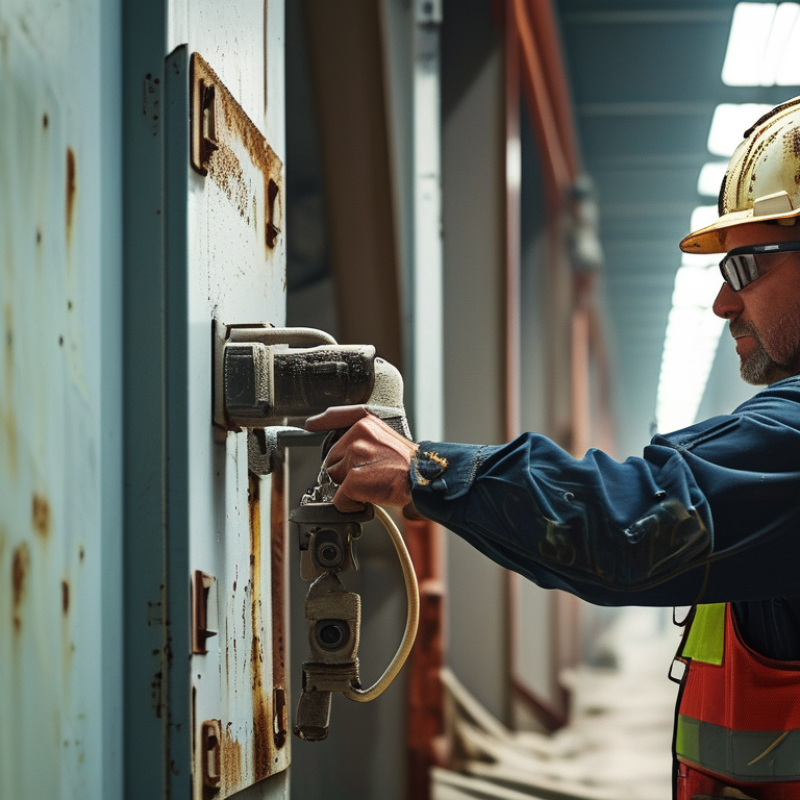
Importance of Safety Equipment Maintenance for Longevity
Regular maintenance of safety equipment is crucial for ensuring its longevity. Various types of safety gear, such as helmets, harnesses, and fire extinguishers, protect individuals from potential hazards. Neglecting even minor maintenance tasks can lead to equipment failure when it is needed most. A well-maintained fire extinguisher, for example, can mean the difference between a small fire and a devastating blaze.
Consider how often you inspect your safety gear. Many users overlook simple checks, assuming everything is fine. A quick visual inspection can reveal wear and tear. If a helmet has cracks or a harness shows fraying, it’s time to act. By addressing these issues early, you extend the life of your equipment and reduce the risk of injury. It’s not just about following regulations; it’s about personal responsibility and safety.
Investing time in regular maintenance builds a culture of safety. Each piece of equipment has its own requirements, depending on the environment and usage. Familiarity with these needs takes commitment. It’s not just tick-box compliance; it’s essential for creating a safe working environment. Reflecting on your maintenance routine may uncover areas for improvement, ultimately leading to enhanced safety for everyone involved.
Common Types of Safety Equipment That Require Regular Maintenance
Regular maintenance of safety equipment is vital for ensuring its effectiveness and longevity. Common types of safety gear that require attention include helmets, gloves, eye protection, and respiratory masks. A study by the National Institute for Occupational Safety and Health (NIOSH) highlights that improper maintenance can lead to a 30% higher risk of accidents. This statistic underscores the necessity of regular checks.
Inspecting helmets for cracks or wear can prevent catastrophic injuries. Similarly, checking gloves for punctures is crucial, as damaged gloves may compromise chemical protection. Eye protection should be cleaned frequently to avoid obscured vision. Lastly, respiratory masks need filter replacements to ensure proper air quality.
Tips: Schedule routine inspections every three months. Train staff to recognize signs of wear. Document all maintenance activities for accountability and compliance. By taking these proactive steps, safety equipment can perform optimally when needed most. Remember, even small lapses in maintenance can have serious consequences.
Maintenance Frequency of Common Safety Equipment
Essential Maintenance Procedures for Different Safety Equipment
Regular maintenance of safety equipment is crucial to ensure its effectiveness and longevity. For instance, fire extinguishers require a thorough inspection every month, according to the National Fire Protection Association (NFPA). These inspections help identify any potential issues that could prevent them from functioning correctly. Neglecting this can result in ineffective equipment during an emergency. Proper maintenance extends the lifespan of safety gear, offering a safer environment for all.
Personal protective equipment (PPE) such as helmets and gloves also needs regular checks. A study by the Occupational Safety and Health Administration (OSHA) indicates that almost 70% of workplace injuries are preventable with proper use of PPE. Regular cleaning and inspections can uncover wear and tear. An overlooked helmet with a small crack can compromise worker safety significantly. Employers should implement a routine monthly check, ensuring that all PPE meets safety standards. Frequent checks can remind teams that equipment safety is a priority.
In addition, maintenance records play a vital role. Keeping thorough documentation can help identify patterns and recurring issues. Many organizations fail to keep accurate records, which may lead to catastrophic consequences. A recent report revealed that 30% of workplaces who do not track equipment maintenance face higher incidents of workplace injuries. Regular audits of safety equipment maintenance can help organizations mitigate risks effectively.
Why You Should Regularly Maintain Safety Equipment for Longevity? - Essential Maintenance Procedures for Different Safety Equipment
| Safety Equipment |
Maintenance Procedure |
Frequency |
Common Issues |
| Fire Extinguisher |
Check pressure gauge, inspect hoses, and shake extinguishers |
Monthly |
Low pressure, corrosion |
| First Aid Kit |
Restock supplies, check expiration dates |
Quarterly |
Expired supplies |
| Personal Protective Equipment (PPE) |
Inspect for wear and tear, clean according to guidelines |
Biannually |
Tears, inadequate fit |
| Emergency Exit Signs |
Check visibility, replace bulbs as necessary |
Monthly |
Dim lights, obstructed view |
| Smoke Detectors |
Test alarms, replace batteries |
Monthly |
Faulty alarms, dead batteries |
Consequences of Neglecting Safety Equipment Maintenance
Neglecting the maintenance of safety equipment can have serious repercussions. According to the National Safety Council, inadequate safety measures contribute to nearly 4,000 workplace fatalities each year. This statistic underscores the importance of routinely checking and maintaining safety gear. When equipment is overlooked, it may fail when it’s needed most, putting lives at risk.
One common oversight is not performing regular inspections. For example, fall protection gear should be checked for wear and tear at least once a month. Using outdated or damaged equipment can lead to severe accidents. In 2021, nearly 230,000 nonfatal injuries were due to improper use of safety equipment, highlighting the need for diligence.
Tips: Schedule monthly inspections for all safety gear. Training employees on how to identify potential issues can also enhance safety. Keeping a detailed log of maintenance checks helps create awareness and accountability. Small efforts can significantly impact the longevity and effectiveness of safety equipment. Ignoring these tasks may lead to costly consequences, both financially and in lost lives.
Best Practices for Establishing a Safety Equipment Maintenance Schedule
Establishing a maintenance schedule for safety equipment is crucial for ensuring longevity and effectiveness. According to the National Safety Council, 90% of workplace incidents could be prevented with proper safety measures. Regular checks and maintenance can save lives and reduce injuries at work.
A well-structured maintenance schedule requires a few key components. First, it must include a routine inspection process, ideally monthly or quarterly. For example, ensuring that fire extinguishers are fully charged and free of obstructions during inspections can make a significant difference in emergencies. Additionally, personnel should be trained to spot wear and tear, as 30% of safety equipment failures are attributed to lack of maintenance awareness.
It's important to record maintenance activities meticulously. This establishes a reliable history for each piece of equipment. Some facilities have reported a 25% reduction in equipment failure rates after implementing a structured log. However, maintaining a schedule can be challenging. Overlooking equipment due to busy work routines is a common pitfall. Regular reviews and updates of the maintenance plan can help address this issue and enhance overall safety.
Conclusion
Regular maintenance of safety equipment is crucial for ensuring its longevity and effectiveness. The article emphasizes the importance of routine checks and servicing for various types of safety gear, such as helmets, harnesses, and fire extinguishers. Essential maintenance procedures vary depending on the equipment, but generally include inspections, cleaning, and timely repairs. Neglecting these practices can lead to severe consequences, including equipment failure and increased risk of accidents.
To establish a reliable maintenance schedule, it’s advisable to incorporate best practices that include documenting maintenance history and setting reminders for inspections. By understanding how to maintain safety equipment for long term use, individuals and organizations can significantly enhance safety standards and prevent costly replacements, ensuring a safer environment for all.

 Agonex Safety