How to Select Lighting Solutions for Emergency Situations?

Time:2026-08-23 Author:Aria
0%

In emergency situations, proper lighting can be a life-saving factor. According to the National Fire Protection Association (NFPA), nearly 70% of Americans have no emergency plan. This highlights the critical need for effective lighting solutions. Understanding how to select lighting solutions for emergency situations is vital for safety and preparedness.

Expert James Sullivan, a leading authority in emergency management, states, "Proper lighting is not just about visibility; it’s about ensuring safety." His insights emphasize the importance of well-planned lighting systems. Various studies show that adequate lighting can significantly enhance evacuation processes during crises. A poorly lit area can lead to confusion and increase risks during evacuations.

Additionally, organizations like the Illuminating Engineering Society emphasize that lighting should be reliable and accessible. Any shortcomings in the selection process can leave individuals vulnerable. The challenge lies in choosing lighting solutions that withstand emergencies while being efficient and user-friendly. By carefully considering these factors, you can ensure a safer environment for all.
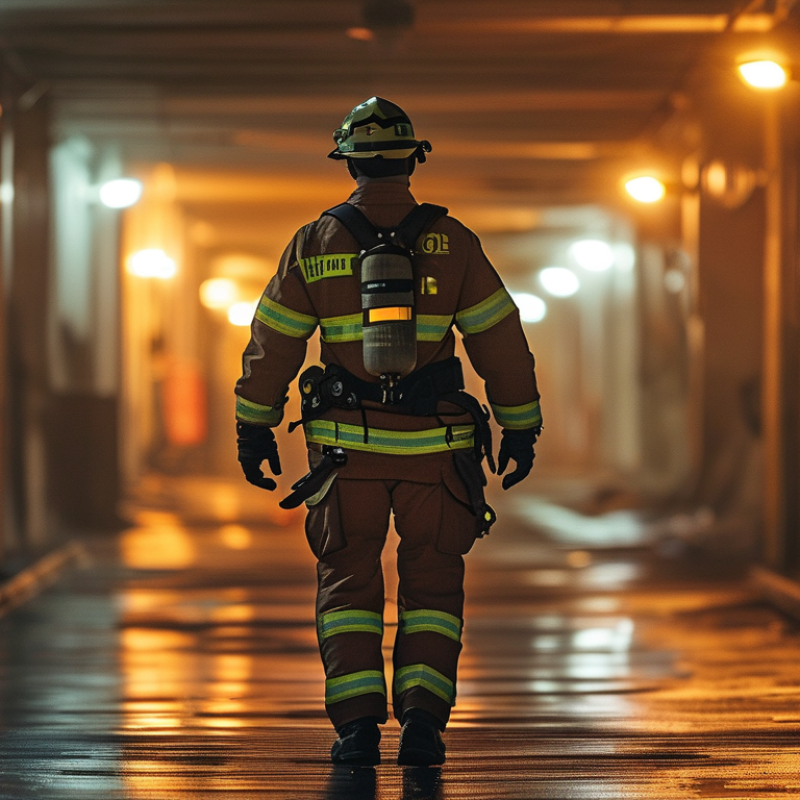
How to Select Lighting Solutions for Emergency Situations?

Understanding the Importance of Emergency Lighting Solutions

Emergency lighting solutions are crucial in ensuring safety during unexpected situations. Power outages, natural disasters, or accidents can occur at any moment. They can leave people in darkness, creating panic and confusion. The right lighting can guide individuals to safety and reduce the risk of injury.

Understanding the specific needs for emergency lighting is vital. Lighting types can vary based on the environment. For instance, outdoor spaces require robust, weather-resistant lights. Indoor emergency exit signs should be clearly visible and strategically placed. Regular maintenance of these systems is essential. Lights can fail if not regularly checked. Many overlook this aspect, assuming that installation is sufficient. Regular drills should also incorporate the use of emergency lighting. This helps build familiarity and confidence.

Selecting emergency lighting is not just about illumination. It's about creating a reliable safety net. The importance of adaptability cannot be understated. A one-size-fits-all approach often leads to oversight, neglecting unique building features. Evaluating different types of potential emergencies is essential for effective planning. Understanding the environment and potential risks is a continuous process.

Assessing Different Types of Emergency Lighting Options Available

Selecting the right emergency lighting solutions is crucial for safety. A variety of options exist, including battery-backed lights, LED fixtures, and exit signs. Each choice serves different needs. According to the National Fire Protection Association, nearly 3,000 fires are reported in office properties annually. Effective emergency lighting can make a substantial difference during such situations.

Battery-backed lights provide immediate illumination. They activate automatically during power outages, guiding people to safety. While they are reliable, their battery life can be a concern. Regular testing is essential to ensure functionality. In contrast, LED fixtures are energy-efficient. They have longer lifespans and often require less maintenance. A report by the U.S. Department of Energy states that LEDs can last up to 25 times longer than traditional bulbs.

Exit signs are another important component. They must be clearly visible and well-illuminated. The placement of these signs can sometimes be overlooked. Ensuring unobstructed views is vital. A survey found that improper lighting or unclear exits contributed to panic in emergencies. Overall, careful assessment of each option is essential. Making informed decisions can greatly enhance safety in emergency situations.

Evaluating Regulatory Standards for Emergency Lighting Systems

When selecting emergency lighting solutions, understanding regulatory standards is crucial. Different regions have specific codes that dictate the brightness, placement, and performance of emergency lights. Adhering to these standards ensures that evacuation pathways are visible during emergencies. It’s not just about meeting regulations; it’s about saving lives.

Assess how fixtures perform in real scenarios. Many standards require testing lights for different durations. Some lights may last longer than others, which could influence decisions. It’s essential to choose systems that meet or exceed local codes. Regular inspections and maintenance are also needed to ensure compliance. This often gets overlooked in planning.

Involving professionals who specialize in emergency lighting can greatly enhance compliance efforts. Their expertise ensures your systems are reliable. The nuances of codes can be complex, and minor oversights can have significant consequences. Documentation and proper training are vital in this process, as staff should be knowledgeable about the systems in place. Reflecting on past practices can highlight areas for improvement, leading to better preparedness for unforeseen emergencies.

How to Select Lighting Solutions for Emergency Situations? - Evaluating Regulatory Standards for Emergency Lighting Systems

Criteria Regulatory Standard Description Recommended Specifications
Illumination Level ANSI/IES RP-28 Minimum illumination levels for safe evacuation 1 foot-candle in exit paths
Battery Backup NFPA 101 Requirement for emergency lighting to have backup Minimum 90 minutes of operation
Maintenance Testing NFPA 70 Regular testing for functionality Monthly and yearly tests required
Light Source Type IEC 60598 Standards for light fixtures used in emergency LED recommended for longevity and energy efficiency
Labeling and Signage ISO 7010 Standard for emergency exit signs Use of clear symbols and high visibility

Analyzing Key Features of Effective Emergency Lighting Solutions

Effective emergency lighting solutions are vital for safety during power outages or crises. Key features include brightness, battery life, and installation ease. According to a report by the International Fire Safety Consortium, adequate lighting can reduce evacuation times by up to 30%. In high-stakes situations, this can mean the difference between life and death.

Consider the brightness of emergency lights, measured in lumens. A minimum of 100 lumens is recommended for visibility in corridors. Emergency lighting should ideally be connected to backup power sources. This ensures functionality during outages. The average battery life should exceed two hours, providing ample time for safe exits.

Evaluate the placement of lights too. Poorly positioned fixtures may create blind spots. This can lead to confusion in emergencies. Regular inspections and maintenance of these systems are crucial. They should not be overlooked. The National Fire Protection Association suggests routine checks at least twice a year.

Look into the modes of operation. Flickering or flashing lights can cause panic rather than calmness. Select solutions with steady illumination in contrast. Assessing these factors ensures a reliable emergency lighting system when it matters most.

Implementing Maintenance Practices for Emergency Lighting Systems

In emergency situations, effective lighting is crucial. Regular maintenance practices for emergency lighting systems can significantly enhance safety. The National Fire Protection Association (NFPA) emphasizes that up to 70% of emergency lighting failures occur due to lack of maintenance. Hence, routine inspections and testing become essential.

Deploying a maintenance schedule should be non-negotiable. According to the Illuminating Engineering Society (IES), emergency lighting systems should undergo monthly and annual testing. Basic checks include verifying battery lifespan and functionality. Ignoring these practices can lead to failures when they are needed most.

Training staff on emergency lighting protocols is often overlooked. Employees should be aware of how to operate these systems effectively. Human error can often contribute to the ineffectiveness of lighting during crises. Engaging staff can create a culture of safety and readiness. The challenge remains in balancing compliance with practical training. Regular audits can help identify gaps in knowledge and system performance.

FAQS

: Why are emergency lighting solutions important?

: They ensure safety during power outages and crises, guiding people to safety and reducing panic.

What factors should I consider when selecting emergency lighting?

Consider brightness, battery life, installation ease, and specific environment needs for effective solutions.

How bright should emergency lights be?

A minimum of 100 lumens is recommended for visibility, especially in corridors and pathways.

How often should emergency lighting systems be maintained?

Regular inspections should happen at least twice a year, with monthly checks recommended for optimal performance.

What can cause emergency lighting failures?

Lack of maintenance is a primary cause. Up to 70% of failures happen due to insufficient regular checks.

What should I check during maintenance inspections?

Verify battery lifespan, functionality, placement, and check for any blind spots created by poorly positioned fixtures.

How can staff training improve emergency lighting effectiveness?

Training enhances operational knowledge, fostering a culture of safety and readiness among employees during crises.

Should emergency lights be connected to backup power?

Yes, connecting to backup power sources ensures lights function during outages, allowing safe exits.

What is a common mistake with emergency lighting installation?

Overlooking regular maintenance, assuming that installation alone ensures effectiveness.

How can I foster better emergency lighting preparedness?

Conduct regular drills and training sessions to build familiarity and confidence among users in emergency situations.

Conclusion

When considering how to select lighting solutions for emergency situations, it is crucial to understand the importance of effective emergency lighting systems. These solutions not only enhance safety during crises but also ensure compliance with regulatory standards. Evaluating the various types of emergency lighting options available, such as battery-powered lights and LED systems, can help in making informed decisions that fit specific needs.

Additionally, analyzing key features of emergency lighting, such as brightness, duration of illumination, and ease of installation, is essential for selecting the right solution. Implementing regular maintenance practices ensures that these systems remain functional and reliable when needed most. By carefully assessing these factors, one can establish a robust emergency lighting strategy that enhances safety and preparedness.

Aria

Aria

Aria is a dedicated marketing professional with a deep passion for innovative strategies and a keen understanding of our company's product offerings. With a wealth of experience in the industry, Aria excels at crafting engaging content that highlights the unique features and benefits of our......