In today's rapidly evolving landscape, the question of "how is smart technology changing safety equipment" is at the forefront of industry discussions. Experts like Dr. Emily Chen, a leading figure in safety engineering, emphasize its significance. She once stated, "Smart technology offers unprecedented tools to enhance workplace safety." This underlines a critical shift in how safety protocols are managed and executed.
Recent innovations have introduced smart helmets, wearable sensors, and automated monitoring systems. These advancements are reshaping traditional safety gear. They provide real-time data, which enhances situational awareness. However, the integration process is not without challenges. Companies often struggle to adapt to new technologies. Some workers may resist changes that affect their routines.
Smart technologies offer remarkable potential but require careful implementation. As organizations adopt these tools, they must train staff adequately. Overcoming resistance is vital for effective usage. The intersection of technology and safety is complex, yet the benefits are clear. Embracing smart technology can lead to a safer work environment. The future of safety equipment is undoubtedly transforming.
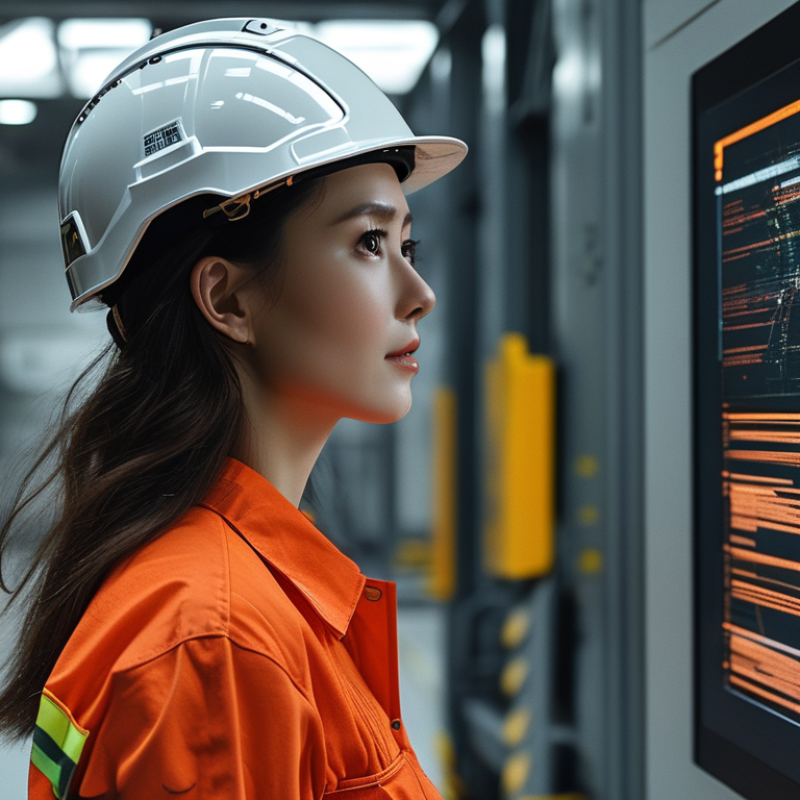
In the 21st century, smart technologies are reshaping the landscape of safety equipment. Advances in sensor technology are at the forefront. According to a report by Research and Markets, the global smart safety equipment market is projected to reach $6.4 billion by 2026. These sensors enable real-time monitoring of environmental conditions. They can detect anomalies and alert users instantly. This quick response can significantly reduce workplace accidents.
Wearable technology is another game-changer. Smart helmets and vests equipped with IoT capabilities track workers' locations and vital signs. With a potential reduction of 40% in workplace injuries, this innovation increases safety awareness. However, adoption remains slow in some sectors due to cost concerns and lack of training. This gap highlights the need for improved education on smart technologies.
Artificial intelligence is enhancing decision-making in safety protocols. AI systems analyze data to predict risks and suggest preventive measures. Reports indicate that AI-powered solutions can decrease incident rates by up to 30%. But, there are challenges. Implementation of AI requires careful planning and ongoing support. Companies must invest time to ensure effectiveness. Addressing these issues is crucial for maximizing the benefits of smart safety technologies.
| Technology | Description | Impact on Safety | Examples of Use |
|---|---|---|---|
| Wearable Technology | Devices such as smart helmets and vests that track health metrics. | Improves monitoring of worker conditions and reduces injury risks. | Construction sites, manufacturing facilities. |
| Drones | Unmanned aerial vehicles used for surveillance and inspections. | Enhances site inspection and monitoring, reducing the need for personnel in hazardous areas. | Oil rigs, disaster response operations. |
| Artificial Intelligence | Machine learning algorithms that predict potential safety hazards. | Proactively identifies risks and suggests mitigation strategies. | Manufacturing plants, construction management. |
| IoT Sensors | Connected devices that monitor environmental conditions and worker safety. | Real-time data enables swift responses to unsafe conditions. | Workplaces with hazardous materials, confined space monitoring. |
| Augmented Reality | Technology that superimposes information onto the physical environment. | Enhances training and situational awareness for safety protocols. | Training sessions, emergency response drills. |
: Smart technologies provide real-time monitoring of conditions, reducing accidents. They detect anomalies and alert users instantly.
Wearable devices track workers' health and location. They can potentially reduce workplace injuries by 40%.
Some sectors hesitate due to cost concerns and lack of training. Education on these technologies is essential to bridge the gap.
AI enhances decision-making by analyzing data and predicting risks. It can decrease incident rates by up to 30%.
Implementation requires careful planning and support. Time investment is critical to maximize effectiveness and address issues.
Analyzing data in real-time allows quick responses to safety issues, leading to significantly safer workplaces.
Overdependence could cause complacency among workers. Regular training is necessary to keep skills sharp and effective.
Predictive analytics identifies hazards before they occur, transforming traditional protocols into dynamic systems for better safety.
Regularly review incident data and engage employees in reporting unsafe conditions for valuable insights.
Companies must regularly update systems with current data and invest in ongoing staff training to adapt to changes.
In the 21st century, smart technology is significantly transforming safety equipment, enhancing both worker safety and health monitoring. One major advancement is the integration of artificial intelligence and machine learning, which are driving market growth by enabling predictive analytics for more proactive safety measures. These technologies help identify risks before they occur, thereby improving workplace safety standards.
Additionally, wearable technology innovations are at the forefront, allowing for real-time health monitoring and feedback, while Internet of Things (IoT) solutions are revolutionizing data management by providing instant access to safety information. Together, these advancements demonstrate how smart technology is changing safety equipment, making it more efficient and responsive to the needs of workers across various industries. As these trends evolve, the future of safety equipment looks increasingly promising, with advanced analytics paving the way for predictive safety measures.

 Agonex Safety