Top 10 Standards for Industrial Safety Equipment in China?

Time:2026-05-16 Author:Madeline
0%

Industrial safety equipment is crucial for protecting workers in various sectors. In China, ensuring the effectiveness of this equipment is vital. Many organizations rely on standardized protocols to assess safety gear. The question often arises: what standards apply to industrial safety equipment? Reports indicate that adherence to established standards can reduce workplace accidents by over 25%.

China has developed a comprehensive framework for safety equipment standards, yet challenges persist. The GB/T 28001 standard is well-known, but many companies struggle with compliance. In fact, recent surveys show that less than 30% of firms fully understand these regulations. This gap highlights the necessity for better training and resources regarding industrial safety standards.

Moreover, ongoing evaluation of safety protocols is essential. Compliance and updates are often overlooked in many industries. This negligence can result in higher accident rates and increased financial liabilities. Addressing the discrepancies in knowledge and understanding of safety standards is imperative for creating a safer work environment.
Top 10 Standards for Industrial Safety Equipment in China?

Overview of Industrial Safety Equipment Standards in China

China has established rigorous standards for industrial safety equipment. These standards ensure the protection of workers in various industries, including manufacturing, construction, and mining. Compliance with these regulations is crucial for minimizing workplace accidents and injuries. Companies must stay informed about the latest requirements to maintain safety and efficiency.

Equipment certifications are essential. These certifications verify that safety gear meets the required standards. Regular audits help companies identify deficiencies in their safety protocols. Many strive for improvement but fall short due to the complexity of standards. It is vital to not only meet compliance but to also engage employees in safety practices.

Tips: Always review equipment manuals. Regular training sessions reinforce safety culture. Encourage feedback from workers; they often identify overlooked hazards. Establishing a reliable communication channel can highlight ongoing safety concerns. Continuous improvement is necessary for effective safety management in high-risk environments.

Key Regulatory Bodies Governing Safety Equipment Standards

In China, several key regulatory bodies oversee safety equipment standards. The Ministry of Emergency Management (MEM) plays a crucial role in formulating policies related to industrial safety. It ensures compliance with national regulations and provides guidelines for safety practices.

Another important entity is the State Administration for Market Regulation (SAMR). This agency supervises product quality and safety. SAMR conducts regular inspections and promotes standards to ensure the reliability of safety equipment. Their role is vital, given the diverse industries in China.

The National Standardization Administration (NSA) also significantly influences safety standards. They develop national standards that affect various sectors. While their work is essential, there remain gaps in enforcement and compliance. Many companies struggle to meet these evolving standards. Ongoing training and awareness are needed to improve practices. Each organization must continuously adapt to ensure maximum safety.

Essential Safety Equipment Categories and Their Standards

In industrial settings, choosing the right safety equipment is critical. Proper standards ensure these tools protect workers effectively. Key categories of safety equipment include personal protective equipment (PPE), fire safety gear, and emergency response tools. Each category has established norms to guarantee quality and reliability.

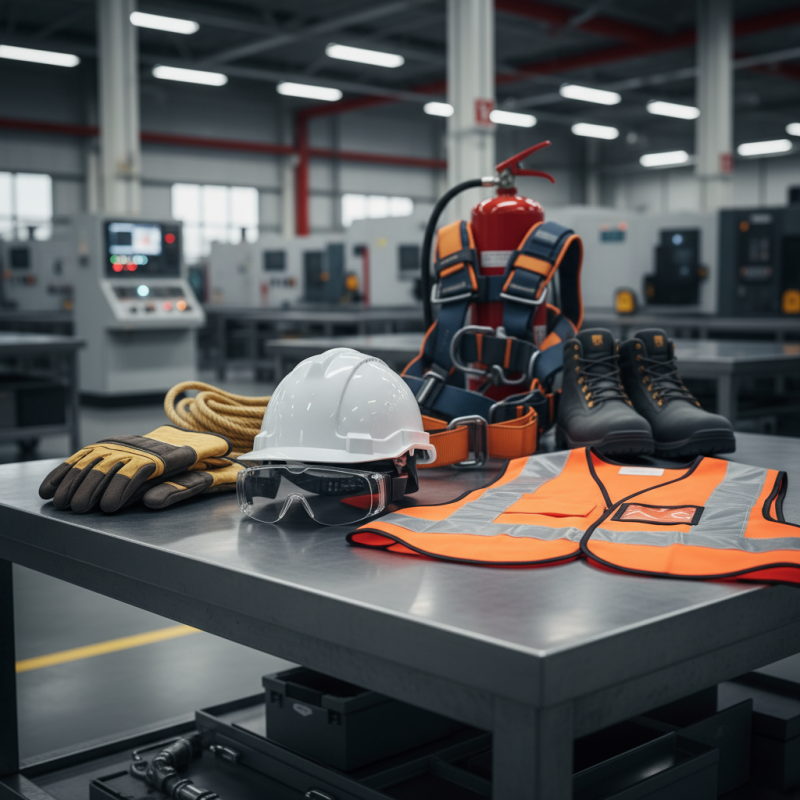
When selecting PPE, adherence to national standards is essential. Helmets, goggles, and gloves are crucial to prevent injuries. Fire safety gear, like extinguishers and blankets, must meet specific certifications. These tools should be regularly inspected. Emergency response kits must include first-aid supplies tailored to potential workplace hazards.

Tip: Always review the latest safety standards. Staying informed helps ensure compliance. Regular training sessions can improve awareness of safety protocols. Encouraging open discussions about safety practices can reveal potential gaps in equipment. Regularly revisiting equipment standards can promote a culture of safety.

Latest Updates and Trends in Industrial Safety Regulations

Industrial safety regulations in China are evolving rapidly in response to technological advancements and changing workforce dynamics. Authorities are increasingly emphasizing the importance of standards that safeguard workers. Recent updates focus on enhanced risk assessment and management practices. Companies are now required to conduct more thorough evaluations of potential hazards in their operations.

With the rise of automation and AI, there’s a need for new safety protocols. Traditional equipment may not suffice in modern workplaces. Moreover, training programs are becoming more interactive and technology-driven. These changes aim to engage employees more effectively in safety practices. However, some businesses struggle to keep up with these developments, leading to gaps in compliance.

These shifts reflect a growing recognition of the importance of worker safety. While regulations are tightening, practical implementation often lags. A reflective approach is necessary as organizations adapt to these evolving standards. Workers must feel empowered and informed about their rights and safety. Enhanced communication from management can bridge many existing gaps.

Top 10 Standards for Industrial Safety Equipment in China

Standard Code Standard Name Description Latest Update Year
GB 3836 Explosive Atmospheres Standards for equipment used in explosive environments. 2021
GB 12476 Personal Protective Equipment Specifications for personal safety gear in hazardous workplaces. 2020
GB/T 28001 Occupational Health and Safety Management Framework for managing occupational health and safety risks. 2022
GB 50016 Fire Prevention Design Standards for fire safety design in buildings and structures. 2019
GB 50187 Safety in Chemical Production Requirements for safety measures in chemical manufacturing. 2021
GB 27740 Machine Safety Standards for machinery safety in industrial environments. 2020
GB/T 18883 Indoor Air Quality Standards for ensuring a safe indoor environment. 2019
GB 50300 Building Code of China Comprehensive regulations for building safety and design. 2021
GB/T 22080 Safety Management Systems Requirements for establishing effective safety management. 2022
GB/T 28448 Risk Assessment Guidelines for risk assessment in workplaces. 2023

Compliance Challenges and Solutions for Safety Equipment Standards

In China, industrial safety equipment standards are crucial for protecting workers. Compliance challenges often arise due to a lack of understanding. Recent industry reports indicate that around 40% of companies struggle to meet safety regulations. Many organizations face difficulties in interpreting the complex standards applicable to their equipment.

The key challenge is the variation in regional regulations. Each province may have its own interpretations, creating confusion. For instance, the discrepancies in safety testing protocols can lead to misunderstandings. This becomes problematic when trying to sell or operate equipment across different regions. Moreover, with rapid technological advances, safety standards often lag behind, making compliance even more challenging.

Adopting a proactive approach can help businesses navigate these hurdles. Investing in employee training is crucial. A well-informed workforce can better adhere to safety standards. Regular audits and consultations with experts can also clarify compliance pathways. Engaging with local authorities and industry associations can provide further insights. While these strategies may require additional resources, they are essential for ensuring safety and fostering a culture of compliance within organizations.

Top 10 Standards for Industrial Safety Equipment in China

This chart presents the compliance rates of the top 10 industrial safety equipment standards in China, highlighting the importance of adherence to these standards for ensuring safety in industrial environments.

FAQS

: What are the key categories of safety equipment?

: Key categories include personal protective equipment, fire safety gear, and emergency response tools.

Why is it important to adhere to safety standards?

Adherence ensures that safety equipment protects workers effectively from injuries and hazards.

How often should safety equipment be inspected?

Safety equipment should be regularly inspected to maintain its reliability and effectiveness.

What should be included in emergency response kits?

Kits must include tailored first-aid supplies for potential workplace hazards.

How are training programs evolving in industrial safety?

Training programs are becoming interactive and technology-driven to engage employees better.

What challenges do companies face with new safety regulations?

Some businesses struggle to adapt to rapid changes, resulting in gaps in compliance.

Why is communication important in safety practices?

Enhanced communication helps bridge gaps and keeps workers informed about their safety rights.

How does technology impact safety protocols?

Automation and AI create the need for new safety protocols beyond traditional equipment.

What can organizations do to promote a culture of safety?

Regularly reviewing standards and encouraging open discussions about safety can help.

How can companies stay updated on safety standards?

Regularly reviewing the latest standards and conducting training can ensure compliance.

Conclusion

In China, the landscape of industrial safety equipment standards is overseen by a variety of regulatory bodies that establish essential guidelines to ensure workplace safety. These standards cover multiple categories of safety equipment, ranging from personal protective gear to specialized machinery. Understanding what standards apply to industrial safety equipment is crucial for businesses looking to maintain compliance with local regulations and promote a safe working environment.

Recent updates in industrial safety regulations reflect a trend towards enhancing safety measures in response to evolving workplace hazards. However, companies often face challenges in adhering to these standards, which can include shifting regulatory requirements and complexities in implementation. By identifying these compliance obstacles and exploring effective solutions, businesses can better navigate the regulatory landscape and ensure that their safety equipment meets the necessary standards for optimal protection.

Madeline

Madeline

Madeline is a dedicated marketing professional with a wealth of expertise in our company's core offerings. With a keen understanding of the industry, she brings a unique perspective to her role, consistently delivering high-quality content that highlights the superior aspects of our products. As......