What Standards Should Safety Equipment Meet for Global Buyers?

Time:2026-06-07 Author:Liam
0%

Safety equipment is critical for protecting workers in various industries. Yet, global buyers often wonder, "which standards should safety equipment meet?" Expert David McKinney, a leading authority in occupational safety, emphasizes, "Adhering to established standards is not optional; it's a necessity."

Safety equipment must conform to rigorous regulations. The International Organization for Standardization (ISO) provides some global benchmarks. Compliance ensures not only the effectiveness of the equipment but also the trust of end-users. Buyers need to be diligent. Often, they overlook the nuances of these standards. That can lead to significant errors.

The failure to meet safety standards can result in harm, legal issues, and financial losses. Therefore, understanding which standards should safety equipment meet is essential. It's a matter of protecting lives and ensuring business continuity. The responsibility lies heavily on the shoulders of global buyers to ask the right questions.
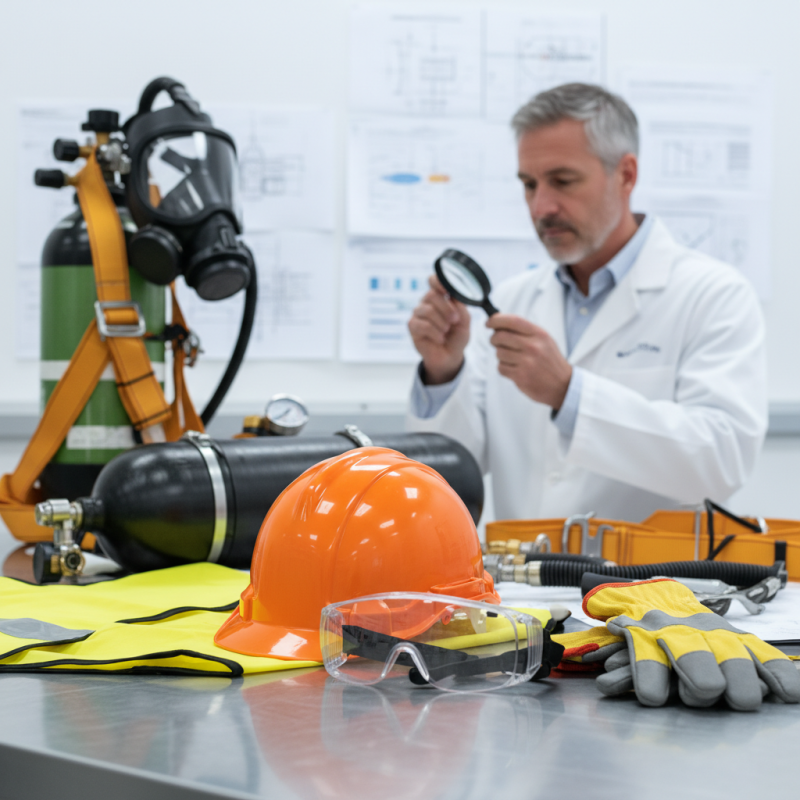
What Standards Should Safety Equipment Meet for Global Buyers?

Safety Equipment Standards: An Overview for Global Buyers

When sourcing safety equipment, understanding the relevant standards is crucial for global buyers. Many industries utilize standards established by organizations like ISO, OSHA, and ANSI. For example, ISO 45001 sets guidelines for occupational health and safety management systems. These standards help ensure that equipment protects users effectively and meets regulatory requirements.

Recent data indicates that approximately 60% of workplace injuries can be traced back to inadequate safety measures. Buyers must prioritize equipment that complies with these standards to mitigate risks. The global safety equipment market is projected to reach $58 billion by 2027, reflecting a growing awareness of safety protocols. This spike underscores the importance of rigorous standards for manufacturers.

Despite the availability of standards, gaps often exist in compliance and testing. Many products fail to meet all necessary benchmarks due to poor quality control. Buyers should be cautious, seeking certifications to confirm reliability. Moreover, regular audits can help identify areas for improvement, ensuring ongoing adherence to safety protocols. Awareness can further bridge gaps in the implementation of these standards.

Key International Safety Standards and Regulations

When considering international safety equipment, buyers need to navigate various safety standards and regulations. The International Organization for Standardization (ISO) provides essential guidelines. ISO 9001 emphasizes quality management systems, ensuring products are safe and effective. A notable statistic shows that organizations that comply with ISO standards can improve efficiency by up to 30%.

Another crucial standard is ANSI/ISEA 105 for protective clothing. This standard evaluates the cut resistance, impact protection, and thermal properties of materials used in safety gear. However, companies must reflect on their alignment with these standards. Non-compliance could lead to severe consequences, including workplace injuries. In 2022, the National Safety Council reported that preventable workplace injuries cost the U.S. economy approximately $171 billion.

Furthermore, the European Union’s Personal Protective Equipment (PPE) Regulation reinforces compliance with essential safety requirements. Yet, the challenge remains for manufacturers to keep up with evolving regulations. Many safety equipment suppliers report confusion around compliance, highlighting a gap in industry knowledge. Ongoing education and training are vital for ensuring that buyers make informed decisions.

Essential Criteria for Evaluating Safety Equipment Quality

When evaluating safety equipment, a few essential criteria can determine quality. Durability is crucial. Equipment must withstand various conditions, including extreme temperatures, moisture, and physical stress. Buyers should know the materials used in construction. A well-informed choice depends on understanding how these materials perform in real situations.

Certification is another vital aspect. Ensure safety equipment meets recognized standards. Independent testing organizations often provide certifications. Equipment that lacks certification might not be reliable. This can lead to catastrophic results. Look for clear documentation of any tests conducted and their outcomes. It’s not enough for products to be on the market; they must prove their effectiveness.

User feedback can provide insight as well. Real-world experiences help assess how equipment performs in practice. Reviews and testimonials can highlight potential flaws that safety managers might overlook. While manufacturer claims often paint a positive picture, lived experiences reveal hidden issues. Making informed decisions requires a careful evaluation of both data and user narratives.

Understanding Certification Processes for Safety Equipment

When purchasing safety equipment, understanding the certification processes is essential. Certifications ensure that products meet safety standards. Global buyers should look for approved testing laboratories. These labs assess equipment for durability and reliability. This process often involves rigorous testing protocols. Each certification signifies that the product has passed specific safety guidelines.

Tips: Always request certification documents from suppliers before making a purchase. Verify these documents through the issuing authority. This reduces the risk of acquiring substandard equipment that might not protect users effectively.

Safety equipment must also align with regional regulations. Different countries have varying standards, so it's crucial to be informed. A product certified in one region might not meet the requirements elsewhere. Manufacturers may also carry certifications that aren't well-recognized internationally. This can lead to confusion about safety and compliance.

Tips: Research regional standards thoroughly before selecting safety equipment. Consider seeking advice from industry experts who understand local regulations. Their insights can guide you toward safer product choices.

Comparative Analysis of Regional Safety Standards Differences

The safety equipment market varies significantly across regions. Understanding these differences is crucial for global buyers. For instance, the European Union’s EN standards differ from OSHA regulations in the United States. EN standards emphasize harmonization across member states, while OSHA focuses on specific compliance for workplaces.

A report by the International Safety Equipment Association (ISEA) indicates that over 75% of buyers prioritize compliance with local standards. Yet, many overlook the nuances in requirements. For example, while EU standards may set stricter limits on chemical exposure, U.S. standards can be more focused on mechanical hazards. This discrepancy can lead to confusion for manufacturers navigating different regulatory landscapes.

Buyers must assess their needs closely. Some global standards aim for a minimum benchmark. However, regional standards often reflect specific environmental and occupational health issues. This can lead to gaps in safety performance. Continued education and rigorous evaluation of safety standards can prevent costly oversights. Efforts to harmonize these practices are ongoing but still in development. Balancing local regulations with global trade remains a challenge for many.

What Standards Should Safety Equipment Meet for Global Buyers? - Comparative Analysis of Regional Safety Standards Differences

Region Standard Agency Key Safety Standards Common Equipment Types Certification Process
North America ANSI / OSHA ANSI Z359, ASTM F2413 Fall Protection, Footwear Testing, Third-party Certification
Europe EN Standards EN 388, EN 471 Protective Gloves, High Visibility Clothing EU Declaration of Conformity, CE Marking
Asia ISO / JIS ISO 9001, JIS T 8101 Safety Helmets, Eye Protection Product Testing, Certification by NRTL
Australia AS/NZS Standards AS 1319, AS/NZS 2210 Safety Signs, Protective Footwear Mandatory Standards, Certification

FAQS

: Why are safety equipment standards important for buyers?

: Safety equipment standards ensure that products protect users effectively and meet regulatory requirements.

What is a major consequence of inadequate safety measures?

About 60% of workplace injuries result from insufficient safety measures.

How can buyers ensure equipment quality?

Buyers should consider durability, materials, and independent certifications when evaluating safety equipment.

What happens if safety equipment lacks certification?

Equipment without certification may be unreliable and could lead to dangerous situations.

How can regular audits help safety compliance?

Audits identify gaps in safety practices and outline areas for improvement in adherence to standards.

What role does user feedback play in evaluating safety equipment?

User feedback reveals real-world performance, helping buyers spot potential defects manufacturers may overlook.

What materials should buyers be aware of in safety equipment?

Buyers must understand materials' performance under various conditions such as temperature and moisture.

How can certifications provide reassurance about safety equipment?

Certifications from independent testing organizations prove that equipment has met necessary safety benchmarks.

What issues can arise with product quality control?

Many products fail to meet safety standards due to poor quality control, leading to potential risks.

Why is it risky to rely solely on manufacturer claims?

Manufacturer claims can be overly optimistic, while user experiences highlight real issues that may arise.

Conclusion

In the global marketplace, ensuring the safety of equipment is paramount for buyers. The question of "which standards should safety equipment meet" is critical, as it informs the selection process for quality and compliance. This article provides an overview of key international safety standards and regulations, which serve as a benchmark for assessing safety equipment.

Additionally, it outlines essential criteria for evaluating safety equipment quality, including durability, functionality, and design. Understanding the certification processes for safety products is also vital, as it ensures that manufacturers adhere to recognized guidelines. The article concludes with a comparative analysis of regional differences in safety standards, highlighting the need for global buyers to navigate these variances effectively to ensure compliance and safety.

Liam

Liam

Liam is a dedicated marketing professional with a profound expertise in the industry, where he excels at highlighting the unique advantages of our core products. With a keen understanding of market trends and consumer needs, Liam frequently updates our company’s professional blog, providing......