Top 10 Lighting Solutions for Emergency Situations How to Choose?

Time:2026-05-09 Author:Oliver
0%

In critical moments, having the right lighting solutions is essential. Emergencies demand fast and effective responses. Dr. Emily Parker, a leading expert in emergency management, states, "Choosing the right lighting can save lives and reduce panic." Understanding how to select lighting solutions for emergency situations is crucial.

Effective emergency lighting must be reliable, bright, and accessible. It should illuminate pathways, exits, and high-risk areas. However, many individuals overlook the importance of proper selection. Too often, inadequate systems create confusion in dangerous moments.

Considerations include power sources, duration, and potential hazards. Portable options are beneficial, yet they can be overlooked in planning. Investing in quality solutions involves assessing local needs and scenarios. Inadequate preparation can lead to dire consequences. Scrutinize features closely to ensure safety and effectiveness.
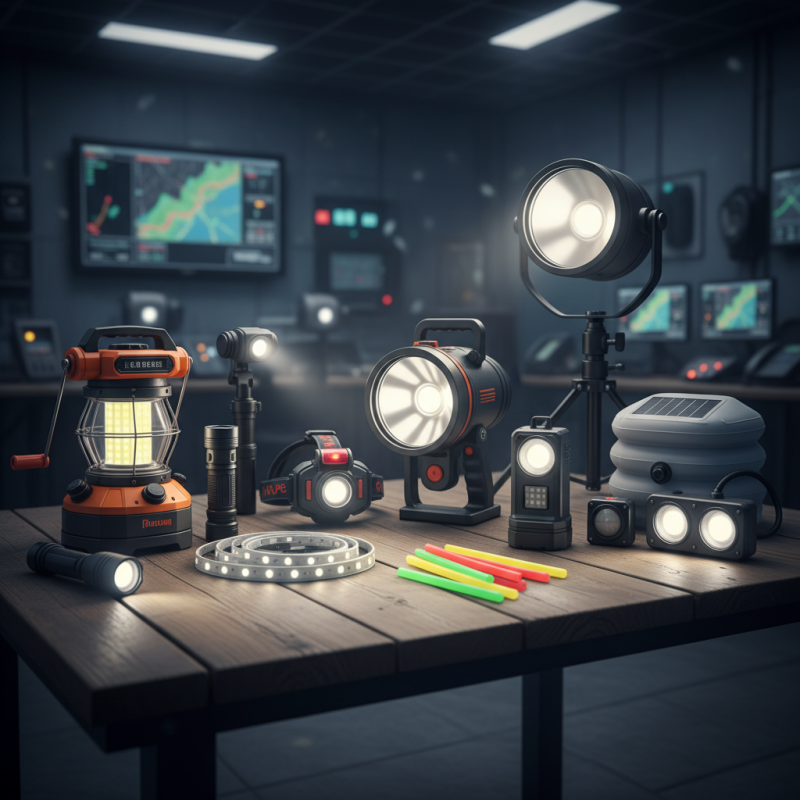
Top 10 Lighting Solutions for Emergency Situations How to Choose?

Top Factors to Consider When Choosing Emergency Lighting Solutions

When selecting emergency lighting solutions, several crucial factors come into play. Understanding the power source is vital. Battery-operated lights can be beneficial during long outages, while hardwired options require less maintenance but may falter during emergencies if the power goes out.

Another consideration is brightness. Ideally, the lighting should illuminate spaces clearly to guide individuals safely. Evaluating the duration of the light is also necessary. Some lights shine for hours, while others last only minutes. This difference can significantly impact your safety plan.

Reflect on your environment too. Lights should be strategically placed in high-traffic areas and near exits. Flexibility in design can enhance usability, like adjustable or portable lights. It's important to test these solutions regularly. An untested emergency light may provide a false sense of security. Evaluating these factors will help ensure you choose a reliable lighting solution for emergencies.

Comparative Analysis of LED vs. Fluorescent Emergency Lights

When evaluating emergency lighting, the choice between LED and fluorescent lights is crucial. LED lights often outperform fluorescent ones in several key areas. They consume less power, which is vital during emergencies when energy resources may be limited. Additionally, LED lights have a longer lifespan. They can last up to 25,000 hours, unlike fluorescent lights, which generally need replacement every 7,000 to 15,000 hours.

However, one must consider the context of use. Fluorescent lights are typically cheaper upfront. This can make them appealing for short-term solutions. Yet, their efficiency decreases in colder environments, which can be a drawback in certain emergencies. Another challenge is that fluorescent lights contain mercury, raising disposal concerns. Many prefer LED options for their environmental benefits.

Emergency lights must be reliable and ready to perform at a moment's notice. Testing these lights regularly can reveal issues. Regular maintenance ensures they work when needed most. While LED lights are often the better choice, the specific needs of your situation will determine the best option. Selecting the right lighting can involve some trial and error. Understanding these differences can greatly enhance safety and preparedness during emergencies.

Industry Standards and Regulations for Emergency Lighting Systems

When selecting emergency lighting systems, understanding industry standards and regulations is crucial. The National Fire Protection Association (NFPA) and the International Building Code (IBC) set guidelines for these systems. According to NFPA 101, emergency lighting must be provided in all assembly areas, ensuring visibility during power outages or evacuations.

Emergency lighting must illuminate paths for at least 90 minutes during a power failure, providing adequate brightness levels. The IBC specifies that exit signs must be visible from a distance of 100 feet. Inadequate lighting can lead to confusion and accidents, emphasizing the importance of compliance.

Annual testing and maintenance are often overlooked. A study by the Underwriters Laboratories (UL) indicated that over 30% of emergency lights fail during crucial tests. This highlights a gap in reliability and necessitates regular inspections. Decisions regarding the installation of emergency lighting should not be taken lightly.

Achieving compliance while ensuring public safety requires diligence and thorough understanding of regulatory frameworks.

Effectiveness of Portable Emergency Lighting Devices in Crisis Situations

In emergency situations, portable lighting devices play a crucial role. Studies indicate that over 80% of responders rely on portable lighting during crises. These devices enhance visibility and safety, providing essential illumination when power outages occur. Their effectiveness can significantly reduce response time and improve outcomes.

Considerations when selecting portable emergency lighting include brightness, battery life, and ease of use. A light with at least 1000 lumens offers sufficient brightness for most situations. Battery longevity is vital; options that last 12 hours or more can be lifesavers. Simplicity in operation ensures that anyone can use the device without confusion, even under stress.

Tips: Always test your emergency lighting devices regularly. Ensure batteries are replaced annually. Create a designated storage area for quick access. Finally, don’t overlook the importance of gathering feedback from users about the devices’ performance. Reflect on any shortcomings these devices might have in specific scenarios, and continuously strive for improvement in your choices.

Cost-Benefit Assessment of High-Quality Emergency Lighting Solutions

Emergency lighting solutions are crucial for safety. They ensure visibility during critical situations. A high-quality emergency lighting system can significantly improve evacuation procedures. According to a recent report by the National Fire Protection Association, proper lighting can reduce evacuation time by up to 30%. This statistic highlights the importance of selecting effective lighting options.

Cost is a major factor in choosing emergency lighting. High-quality solutions often have a higher upfront cost. However, their long-term benefits are noteworthy. A study from the Illuminating Engineering Society shows that LED emergency lights can last up to 25 times longer than traditional bulbs. This longevity reduces maintenance costs over time. Investing in reliable lighting can be a smart financial decision.

While the benefits are clear, some organizations may overlook potential drawbacks. Not all emergency lighting meets rigorous standards. Selecting a system without thorough research can lead to failures when needed most. Evaluating performance data and consulting industry experts can guide better choices. Balancing cost with quality is essential in ensuring safety and compliance.

Top 10 Lighting Solutions for Emergency Situations

Lighting Solution Description Cost ($) Lifespan (hours) Brightness (Lumens) Energy Efficiency (W)
LED Emergency Lights Bright LED lights for emergency situations 50 50,000 800 10
Solar-Powered Lights Eco-friendly lighting solution powered by solar energy 75 25,000 600 15
Battery-Powered Lanterns Portable lanterns for outdoor emergencies 30 1,500 250 5
Glow in the Dark Stickers Safety stickers that glow in low light 15 N/A N/A N/A
Flashing Road Flares Emergency flares for road safety 40 N/A N/A N/A
Rechargeable Emergency Lights Rechargeable lights for home use during outages 60 10,000 700 12
Portable Power Stations Multi-use portable power for lighting and devices 200 N/A N/A N/A
High-Intensity Discharge Lamps For commercial buildings' emergency lighting 120 24,000 1,000 20
Integrated Emergency Exit Signs Illuminated exit signs for safety 25 50,000 300 5
Emergency Light Fixtures Fixtures that provide light when main power is lost 100 30,000 800 10

FAQS

: What are the main advantages of LED emergency lights over fluorescent ones?

: LED lights consume less power and last up to 25,000 hours, unlike fluorescent lights that last only 7,000 to 15,000 hours.

Are fluorescent lights a cost-effective option for emergencies?

Yes, they have a lower upfront cost. However, their efficiency can decrease in cold conditions.

What environmental concerns are associated with fluorescent lights?

Fluorescent lights contain mercury, which raises disposal concerns and can be harmful to the environment.

How can regular maintenance impact emergency lighting?

Regular testing ensures lights are functional. This maintenance is crucial for performance during emergencies.

What should organizations consider when choosing emergency lighting?

They should balance cost with quality and ensure that the lights meet rigorous safety standards.

How much can proper emergency lighting reduce evacuation time?

Proper lighting can reduce evacuation time by up to 30%, improving safety during critical situations.

Are there any potential drawbacks to high-quality emergency lighting solutions?

Some organizations may overlook that not all emergency lighting meets necessary standards, leading to failures.

What role do performance data and expert consultations play in selecting lights?

Evaluating data and consulting experts helps ensure informed decisions and enhances safety and compliance.

Is there a trial-and-error aspect in selecting the right emergency lighting?

Yes, determining the best lighting might involve some trial and error due to varying situational needs.

Why is investing in reliable emergency lighting a smart decision?

Although initially more expensive, reliable lighting can reduce long-term maintenance costs and enhance safety.

Conclusion

In emergency situations, choosing the right lighting solutions is crucial for safety and visibility. This article provides guidance on how to select lighting solutions for emergency situations by emphasizing key factors to consider, such as brightness, battery life, and ease of use. A comparative analysis between LED and fluorescent emergency lights highlights the advantages of LED technology in terms of energy efficiency and longer lifespan.

Moreover, the article discusses essential industry standards and regulations that govern emergency lighting systems, ensuring compliance and effectiveness. It also examines the role of portable emergency lighting devices in enhancing response capabilities during crises. Finally, a cost-benefit assessment underscores the value of investing in high-quality emergency lighting solutions, which can provide both safety and peace of mind when it matters most.

Oliver

Oliver

Oliver is a seasoned marketing professional with a wealth of expertise in driving brand awareness and engagement. With a deep understanding of our company's product offerings, he consistently delivers high-quality content that enriches our professional blog. His insights not only shed light on......