As industries evolve, safety solutions must keep pace. The question remains: what trends are shaping industrial safety solutions today? Rapid advancements in technology offer new tools for mitigating risks. Wearable safety devices, for instance, are transforming how organizations monitor worker health. These devices can detect fatigue and alert workers before accidents occur.
Moreover, a culture of safety is becoming essential. Companies are promoting training and awareness to better prepare employees. This shift emphasizes the human element in industrial safety. Workers are encouraged to report hazards without fear. Still, challenges persist. Many organizations struggle to implement effective training programs. The gap between knowledge and practice is often evident.
In addition to technology and culture, regulatory changes also influence safety practices. Compliance with new standards can be daunting for some companies. Balancing cost and safety becomes a complex task. Overall, understanding what trends are shaping industrial safety solutions is crucial for businesses striving to create safer work environments.
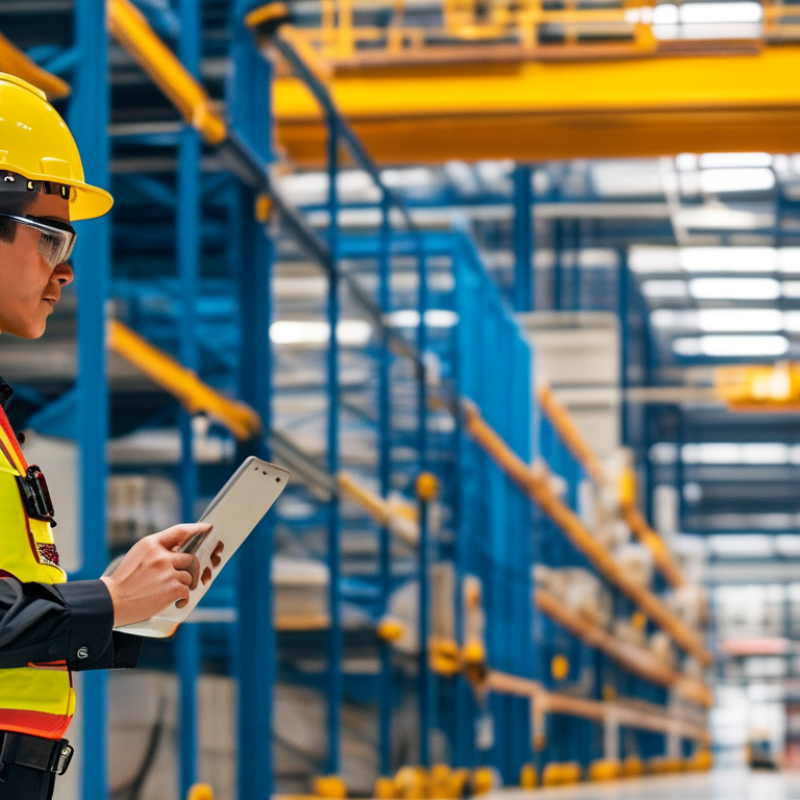
Advanced technologies are reshaping industrial safety solutions at a rapid pace. The integration of AI, IoT, and big data analytics has become crucial. According to the International Labour Organization, over 2.78 million workers died from workplace accidents in 2020 alone. This alarming statistic highlights the urgent need for more effective safety measures.
Wearable technology has emerged as a key player. Smart helmets and vests can monitor heart rates and detect hazardous conditions. A report by MarketsandMarkets estimates that the global wearable safety technology market could reach $3.5 billion by 2025. These devices provide real-time data, allowing workers and teams to respond swiftly to potential threats.
**Tips:** Invest in training programs for staff to maximize technology benefits. Ensure that the technology used is user-friendly to encourage adoption. Conduct regular assessments to identify any gaps in safety compliance. Reflection on these practices can lead to improved safety outcomes. Embracing such innovations is essential, yet challenges remain. Adapting workplace cultures to integrate these technologies takes time and commitment.
The integration of AI and machine learning is revolutionizing industrial safety management. According to a recent McKinsey report, predictive safety management can reduce workplace accidents by up to 30%. By analyzing historical data, these technologies identify patterns that lead to accidents. Employers can then implement targeted interventions to mitigate risks.
Despite these advancements, challenges remain. Many organizations struggle with data quality and consistency. A survey by Deloitte found that 40% of companies do not have reliable data sources for safety analytics. This gap can hinder the accuracy of predictive models. For effective implementation, businesses must invest in training and infrastructure.
Tips: Regularly audit your data collection processes. Ensure that team members are trained in data management. Engage in knowledge sharing to improve data quality across departments. By addressing these challenges, businesses can fully leverage the power of AI in safety management, ultimately leading to a safer work environment.
Wearable safety devices have become vital in today's industrial safety landscape. They offer real-time monitoring of workers’ health and environmental conditions. These devices can track vital signs, fatigue, and exposure to harmful substances. As a result, they enhance worker protection significantly.
Tip: Regularly inspect wearable devices for proper functioning. A faulty device can jeopardize worker safety. Also, ensure all employees are trained to use these devices effectively.
Implementing wearable technology requires consideration. Not all workers may be comfortable using such devices. Some may feel their privacy is at risk. Open communication is essential to address these concerns. Gathering feedback will help refine these technologies to better suit workplace dynamics.
Tip: Foster a culture of safety by encouraging employee involvement in safety discussions. This approach will build trust and promote acceptance of wearable safety devices. A successful deployment hinges on both technology and the human aspect.
| Trend | Description | Impact on Safety | Examples of Wearable Devices |
|---|---|---|---|
| Real-Time Monitoring | Wearables that provide continuous monitoring of vital signs and environmental conditions. | Enables immediate response to potential hazards, improving worker safety. | Smart helmets with sensors, wristbands for heart rate monitoring. |
| Predictive Analytics | Using data collected from wearables to identify potential risks before they occur. | Reduces incidents by allowing organizations to proactively address safety issues. | Wearable sensors that analyze movement patterns. |
| Enhanced Communication | Devices that facilitate quick communication between workers and monitoring teams. | Fosters a safer work environment through better information sharing. | Smart glasses with integrated communication features. |
| Integration with IoT | Wearables that connect to IoT devices for comprehensive data collection. | Improves overall situational awareness, enhancing response measures. | Smart vests that sync with machine operation data. |
| Worker Engagement | Devices that encourage worker participation in their own safety protocols. | Increases accountability and awareness of safety practices. | Activity trackers that gamify safety compliance. |
Regulatory changes play a significant role in shaping industrial safety standards. New laws emerge as industries adapt to technological advancements and evolving workplace dynamics. These regulations are often stringent, demanding higher safety benchmarks from organizations. Non-compliance can lead to severe fines and reputational damage. It’s crucial for companies to stay informed about these changes.
Tips: Regular training is vital. Ensure your team understands the latest regulations. Conduct assessments to identify gaps in current safety practices.
Adopting a proactive approach is essential. Companies should regularly review their safety protocols. This helps in aligning with the latest regulations. Oversights can lead to hazardous work environments, impacting employee morale. Addressing this can be challenging but necessary.
Tips: Create a feedback loop. Encourage employees to share safety concerns. Their insights are invaluable for improving safety measures.
The impact of regulatory changes demands a culture shift in organizations. It’s not just about compliance; it’s about fostering a mindset of safety. Reflecting on safety practices can lead to more practical solutions. Companies should embrace flexibility in their operations to adapt quickly to regulatory shifts, ensuring safety remains a priority.
Today, an increasing awareness of mental health and well-being is reshaping industrial safety solutions. A report by the World Health Organization indicates that stress-related conditions cost employers billions annually. The impact of mental health on workplace safety is more evident than ever. Employees facing mental health challenges are 2.5 times more likely to experience accidents at work.
Organizations are now prioritizing mental well-being alongside physical safety. Providing mental health resources fosters a supportive environment. Regular workshops and training sessions can help reduce stigma and encourage communication. Managers should actively engage with their teams, promoting open discussions about mental health.
**Tips for Enhancing Mental Well-being**: Encourage breaks during shifts to recharge. Limit excessive overtime to prevent burnout. Create designated quiet spaces for employees to meditate or relax. Collect anonymous feedback on mental health programs for continuous improvement. Addressing these aspects is not a one-time event; it's an ongoing commitment to a healthier workplace.
: AI, IoT, and big data analytics are reshaping how safety measures are applied in industries.
They monitor health signs, fatigue, and hazardous conditions in real-time, boosting overall safety for workers.
Well-trained staff can maximize the benefits of technology, reducing potential risks in the workplace.
Workers may worry about privacy and comfort when using these devices, which needs to be addressed openly.
Regular training and assessments help companies stay informed about changes and align their safety practices accordingly.
Regular inspections are necessary, as faulty devices can seriously jeopardize worker safety and well-being.
Adapting workplace culture to incorporate technology takes time and commitment from all employees involved.
Feedback can identify safety concerns and enhance safety technologies, ensuring they meet actual workplace needs.
Encouraging employee involvement in safety discussions builds trust and promotes acceptance of safety measures.
Flexibility in practices and continuous reflection on safety protocols help organizations adapt to shifts effectively.
In today's rapidly evolving industrial landscape, several key factors define what trends are shaping industrial safety solutions. The emergence of advanced technologies, particularly artificial intelligence and machine learning, has revolutionized predictive safety management, enabling organizations to anticipate and mitigate risks more effectively. Furthermore, the integration of wearable safety devices has significantly enhanced worker protection by providing real-time monitoring and feedback on health and safety conditions.
Additionally, regulatory changes continue to influence safety standards across various industries, prompting companies to adapt and enhance their safety protocols. Increasing awareness of mental health and well-being in the workplace has also gained prominence, highlighting the need for a holistic approach to safety that encompasses both physical and psychological aspects. Collectively, these trends reflect a comprehensive shift towards more proactive and inclusive safety solutions in the industrial sector.

Agonex Safety