Top 10 Reasons Solar Safety Lighting Is Becoming Popular

Time:2026-11-21 Author:Henry
0%

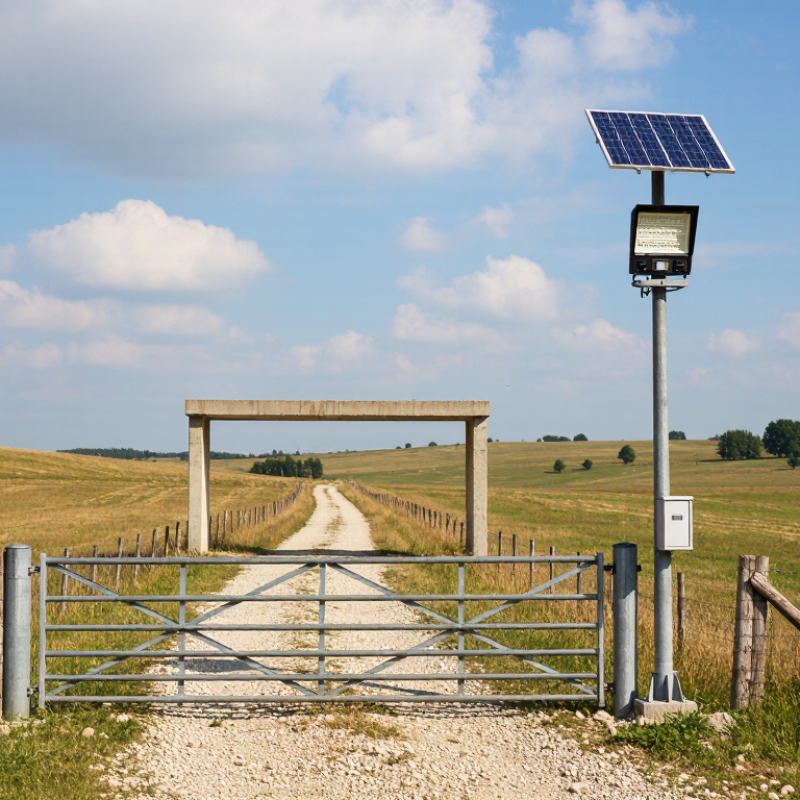
Solar safety lighting is gaining attention because it can illuminate remote areas without trenching power cables. A solar fixture above a gate, loading bay, or rural path can charge during daylight and switch on after dusk. This makes installation simpler in places where grid access is limited or costly. The question “why is solar lighting becoming popular in safety equipment” has a practical answer: it can combine visibility, flexible placement, and reduced dependence on mains power. Still, performance depends on sunlight, battery capacity, and regular maintenance. A shaded pole or cloudy week can matter.

International Energy Agency Executive Director Fatih Birol described solar as “the new king of electricity.” His remark concerns energy markets broadly, not safety fixtures specifically, but it reflects the technology’s growing reach. For safety teams, the appeal is more local: a lit entrance can help people see steps, signs, and moving vehicles. Motion sensors and dusk-to-dawn controls may also help conserve stored energy. The details matter. Buyers should check brightness, battery runtime, weather resistance, and replacement-part availability rather than relying on a bold product claim. Solar lights are not a perfect fit everywhere. This guide explores ten reasons they are becoming popular, while considering where their limits deserve a closer look.
Top 10 Reasons Solar Safety Lighting Is Becoming Popular

What Solar Safety Lighting Is and How It Works

Solar safety lighting uses sunlight to power outdoor lights without a direct connection to the electrical grid. A typical unit combines a photovoltaic panel, rechargeable battery, LED lamp, and control circuit. Some models also include a motion sensor or a dusk-to-dawn sensor. The panel converts daylight into electricity, which the circuit stores in the battery for use after dark.

When light levels fall, a dusk sensor can switch the lamp on. A motion sensor may keep it dim until someone approaches, then raise the brightness for a short period. This can help illuminate a gate, path, or equipment area while conserving stored energy. Performance depends on the panel receiving enough sun and the battery holding a useful charge. Shade matters. So does winter daylight.

During installation, aim the panel toward an open, sunlit area and keep it clear of leaves or dust. Check the maker’s guidance for mounting height and sensor range; small placement changes can affect coverage. Solar units avoid trenching for power cables, but they are not maintenance-free. Batteries can lose capacity, and several cloudy days may reduce runtime. Not magic. For a poorly lit corner, one well-placed lamp may help, though it cannot replace a site-specific assessment where consistent illumination is essential.

Safety Benefits of Solar-Powered Illumination

Top 10 Reasons Solar Safety Lighting Is Becoming Popular

Safety Benefits of Solar-Powered Illumination

Poor visibility can hide a wet stair, uneven pavement, or a vehicle turning into a driveway. NHTSA’s Traffic Safety Facts: 2022 Data—Pedestrians reports that about 76% of pedestrian fatalities occurred in dark conditions. Well-placed solar lights can brighten paths, entrances, and remote work areas without waiting for grid connections. That matters. Their standalone power can also keep selected areas lit during some grid outages, if batteries are charged and correctly sized. Fewer buried power cables may reduce installation disruption and certain wiring exposures, though fixtures still need safe, competent maintenance.

Solar lighting is not automatically safer. Weak winter sun, dirty panels, aging batteries, or poor placement can leave a walkway dim when it matters most. Glare can also make hazards harder to see. For dependable coverage, assess the site’s darkest corners, expected operating hours, seasonal sunlight, and required backup time. Use measured light levels and uniform spacing rather than judging brightness by eye. This takes more care than mounting a fixture and hoping.

Tips: Aim lights downward and shield nearby windows. Keep panels clear of leaves and snow, and inspect batteries before darker seasons. Test illumination after sunset, especially at steps and path edges. A small test installation can reveal blind spots—but it will not prove performance through every season.

Cost and Installation Advantages

Solar safety lighting can reduce installation work because each fixture generates power onsite. Installers may avoid long cable runs, trenching, and new grid connections, especially around remote gates, temporary work zones, or perimeter paths. That can shorten schedules and limit disruption to paving and landscaping. The site still needs sturdy mounting, clear sunlight, and safe battery access.

The economics are improving, but project savings depend on location. IRENA’s Renewable Power Generation Costs in 2023 report found that global weighted-average solar PV electricity costs fell about 90% from 2010 to 2023. That is a broad industry trend, not a promise that every safety light costs 90% less. A useful comparison includes equipment, labor, trenching, utility work, and future battery replacement. Small details matter.

No trenching. Less disruption. Yet shade from a loading canopy, winter snow, or a poorly angled panel can reduce charging. The U.S. Department of Energy notes that LED lighting uses at least 75% less energy than incandescent lighting, supporting efficient operation when paired with appropriately sized solar panels and batteries. Buyers should check runtime after several cloudy days, not just a bright afternoon. Installation is simpler, sometimes. The sizing still deserves care.

Where Solar Safety Lighting Is Being Adopted

Solar safety lighting is appearing along rural roads, parking areas, walking paths, and construction perimeters. These locations often lack nearby power lines or face high trenching costs. A standalone solar pole can illuminate a gate, warning sign, or uneven path without extending the electrical grid. Remote sites benefit.

Municipalities also use solar fixtures on trail crossings and bus shelters, where dependable nighttime visibility matters. The U.S. Department of Transportation’s Federal Highway Administration identifies lighting as a tool for improving visibility at pedestrian and roadway conflict points. Solar units can suit isolated locations, but placement still matters: trees, tall buildings, and winter shade can reduce charging. Small shadows count.

The market’s broader energy context is changing quickly. IRENA’s Renewable Capacity Statistics 2024 reports that global renewable capacity additions reached 473 gigawatts in 2023, with solar contributing 346 gigawatts. That figure describes power capacity, not safety-light installations, but it shows why solar components are increasingly accessible. Site managers are also testing solar lighting in temporary work zones, storage yards, and emergency access routes. Batteries need inspection, and illumination can vary during prolonged cloudy weather. That trade-off is easy to underestimate. A careful site assessment should check nighttime foot traffic, required light coverage, and seasonal sunlight before installation.

Top 10 Reasons Solar Safety Lighting Is Becoming Popular — Where It Can Help Most

Electricity access gaps highlight regions where stand-alone solar lighting can support safer, more reliable outdoor illumination.

The International Energy Agency estimated that 675 million people lacked electricity in 2021, including 567 million in Sub-Saharan Africa. “Rest of world” is calculated as the difference. These figures show electricity-access gaps, not solar-light installation counts. Source: IEA, Tracking SDG 7: The Energy Progress Report 2023.

Practical Considerations for Choosing a System

Solar safety lighting is popular where trenching cables would be difficult, but choosing a system starts with the actual hazard. Walk the site after dark: note gates, steps, loading areas, and paths where people change direction. A bright beam can still leave deep shadows behind a parked vehicle or fence. Placement matters. Aim for even coverage, and avoid glare at eye level.

Check how much direct sun the panel receives, especially in winter or under tree cover. Shade during part of the day can reduce charging more than expected. Compare the battery’s stated runtime with the hours the light must operate, and allow for several cloudy days if the site needs dependable overnight coverage. A motion sensor may conserve power, though frequent movement can drain the battery sooner. Test it at dusk.

Look for a weather rating suited to local rain, dust, and temperature swings, then confirm that the mounting hardware fits the surface. Keep the panel accessible for cleaning; a thin film of dust can matter over time. On a trial installation, check the beam after dark and review performance through the first rainy spell. Specs help, but real site conditions can be less tidy.

Top 10 Reasons Solar Safety Lighting Is Becoming Popular - Practical Considerations for Choosing a System

Rank Reason Practical Benefit What to Consider When Choosing a System
1 No grid connection required Standalone lights can serve remote paths, gates, parking areas, and temporary work zones where extending electrical wiring may be difficult. Confirm that the panel, battery, and fixture can be installed together or connected with the supplied cable lengths. Check local requirements for outdoor electrical and construction work.
2 Useful during grid outages A self-contained system may continue operating when utility power is unavailable, provided its battery has sufficient charge. Look for a stated autonomy figure, such as the number of nights the light can operate without useful solar charging. Check how output changes as the battery discharges.
3 Potential to reduce operating costs Solar lighting uses sunlight for charging and does not require routine electricity from the grid during normal operation. Compare the installed cost, expected battery replacement interval, cleaning needs, and any maintenance or monitoring costs—not just the purchase price.
4 Flexible placement Lights can be positioned where illumination is needed without routing a power cable back to a building or electrical supply. Choose a location with suitable sunlight exposure and secure mounting. Check for shade from buildings, trees, signs, or seasonal foliage throughout the day.
5 Motion-activated operation A motion sensor can keep a light at a lower level or switched off when an area is empty, then increase illumination when activity is detected. Check sensor detection range, coverage angle, adjustment options, and response time. Position the sensor to avoid frequent triggers from traffic, moving branches, or animals.
6 Simpler installation in many locations Systems that do not need a grid connection can avoid trenching and some cable installation work. Confirm the mounting surface, pole or wall compatibility, fasteners, installation height, and wind exposure. Follow the manufacturer's installation instructions.
7 Lower direct emissions during use Solar panels generate electricity without combustion at the point of use, which can reduce reliance on grid-supplied electricity for the lighting load. Consider the full service life of the panel, battery, and light fixture, including battery replacement and end-of-life recycling arrangements.
8 More lighting options for outdoor spaces Solar fixtures are available in different light outputs, mounting styles, beam patterns, and control modes for paths, entrances, and work areas. Select light output and beam distribution for the task and area. Avoid excessive brightness or glare; check whether the product provides photometric information.
9 Suitable products for exposed environments Outdoor-rated models are designed to withstand specified environmental conditions, helping them serve in areas exposed to dust or rain. Check the stated IP rating and its test scope. For example, IP65 indicates dust-tight protection and protection against water jets under defined test conditions; it does not mean the fixture is suitable for immersion.
10 More accessible monitoring and controls Some systems offer adjustable schedules, operating modes, or remote status information, making it easier to manage lighting behavior. Verify which controls are included, whether a network connection is required, how settings are retained during outages, and whether the interface is practical for the site operator.

FAQS

How can solar lighting improve safety around paths and entrances?

It can brighten steps, uneven pavement, gates, and driveways without waiting for grid connections. Darkness hides small hazards.

Does solar lighting keep working during a power outage?

It may keep selected areas lit if its batteries are charged and correctly sized. Backup time depends on the system and conditions.

Is solar lighting automatically reliable in winter?

No. Weak sunlight, snow, or shade can reduce charging and leave paths dim. Check performance during darker months.

Where should solar safety lights be placed?

Walk the site after dark and note steps, gates, loading areas, and path turns. Aim for even coverage, not just a bright spot.

Can bright lights create visibility problems?

Yes. Glare or deep shadows can make hazards harder to see. Aim lights downward and shield nearby windows.

How can I check whether a light provides enough coverage?

Test it after sunset at steps and path edges. Measured light levels are more useful than judging brightness by eye.

What should I consider when choosing a solar lighting system?

Check winter sunlight, battery runtime, local weather, and mounting fit. Allow for cloudy days if overnight lighting must be dependable.

Do motion sensors always save power?

They can, but frequent movement may drain the battery sooner. Test the sensor at dusk; a trial still cannot show every seasonal condition.

Conclusion

Solar safety lighting uses photovoltaic panels to collect sunlight and convert it into electricity, which is stored for use after dark. Depending on the system, sensors may activate the lights when movement is detected, helping illuminate paths, entrances, work areas, and other locations where visibility matters. Its growing appeal reflects practical safety needs: dependable lighting can make hazards easier to see, improve awareness of surroundings, and provide illumination in places where connecting to a conventional power supply is difficult.

Another reason why is solar lighting becoming popular in safety equipment is its potential to reduce wiring, installation effort, and ongoing electricity use. It is being adopted around homes, outdoor facilities, parking areas, and remote sites, though performance depends on sunlight, battery capacity, weather, and the amount of light required. When choosing a system, consider the location, expected operating hours, brightness, sensor settings, durability, and maintenance needs. Matching these factors to the site can help ensure the lighting provides useful visibility when it is needed.

Henry

Henry

Henry is a dedicated marketing professional with a profound expertise in the company's offerings. With years of experience in the industry, he possesses an impressive understanding of the market dynamics and consumer behaviors that drive success. Henry is committed to sharing his insights through......