Understanding international safety compliance and the strategic necessity of mobile decontamination deployment in high-risk operations.
In modern heavy industries, chemical synthesis plants, and mining corridors, personnel exposure to hazardous corrosive reagents remains a premier occupational safety risk. According to the World Health Organization (WHO) and safety audit protocols globally, the first 10 to 15 seconds after exposure to a hazardous substance, especially a corrosive chemical, are critical. Prompt decontamination within this window is the primary mechanism to mitigate severe physiological trauma and permanent injury. This is why safety compliance authorities across Europe, the Americas, and APAC strictly enforce immediate access to high-performance drenching installations.
However, fixed safety shower infrastructure is structurally unfeasible for remote sites, temporary pipelines, exploration wells, or rapidly shifting construction sectors. This physical constraint has generated massive global procurement demand for CE certified portable safety showers. These self-contained, high-capacity mobile units provide immediate, autonomous emergency decontamination in environments where permanent plumbed utility hookups are absent. Procurement officers and EHS (Environment, Health, and Safety) directors now look past simple pricing parameters, choosing instead to focus on compliance footprints, rugged system mechanics, and precise fluid dynamics.
Operating safety systems within international jurisdictions requires strict compliance with overlapping standards. To ensure safety showers function reliably during emergencies, they must adhere to specific mechanical, fluidic, and thermal parameters:
How mobile decontamination platforms are engineered to tackle unique operational hazards across diverse heavy industry environments.
Units are engineered using high-grade, corrosion-resistant SS316L and GRP (Glass Reinforced Plastic) outer casings to withstand corrosive atmospheres and potential acid splashback.
Deployments in freezing or desert drilling sites integrate ATEX/IECEx Zone 1 and 2 rated heating elements or thermal insulation, keeping water temperatures within the required 16°C – 38°C range.
Trailer-mounted, heavy-duty mobile showers are designed to withstand dusty, high-vibration off-road transport, ensuring safety systems remain operational as mining operations shift.
Integrating a mobile safety shower system involves more than just placing a water tank on-site. True industrial safety engineering requires a comprehensive look at the environment, including ambient temperature swings, chemical compatibility, access to power for warning systems, and local water quality.
For example, chemical processing facilities working with highly volatile compounds cannot rely on static safety stations when maintenance work is carried out in isolated parts of the plant. A mobile, pressurized safety station fills this gap. It acts as a safety barrier right next to the hot-work zone, reducing emergency response time to seconds.
The future of portable emergency response: smart sensors, IoT telemetry, and eco-friendly water management.
As industrial operations adopt automation and IoT (Internet of Things) frameworks, safety hardware is changing to match. Manufacturers of high-end portable safety showers are moving past simple mechanical valves and pressurized cylinders. The technical roadmap for modern safety systems focuses on real-time monitoring and high-efficiency fluid delivery.
Dongguan Agonex Safety Co., Ltd. is leading this shift by integrating advanced monitoring technology with durable safety hardware. The next generation of mobile safety showers will feature integrated telemetry networks that transmit system status, temperature levels, and water levels to EHS monitoring centers. This ensures compliance teams are immediately notified when a unit is activated, facilitating rapid medical response.
To achieve reliable, long-term performance under demanding industrial conditions, we focus on three main engineering priorities:
A decade of engineering safety solutions, certified reliability, and global distribution.
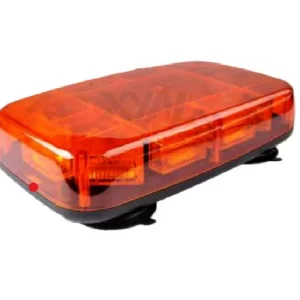
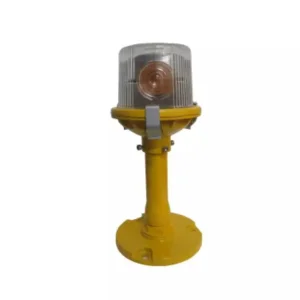
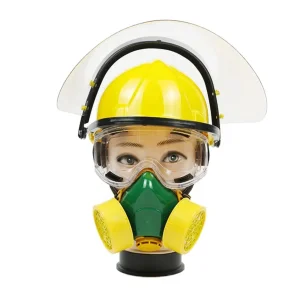
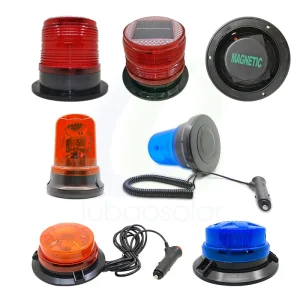
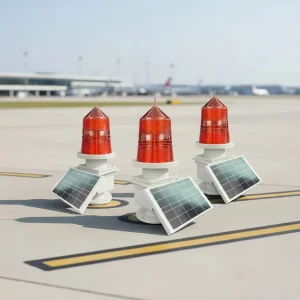
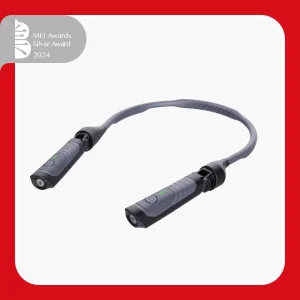
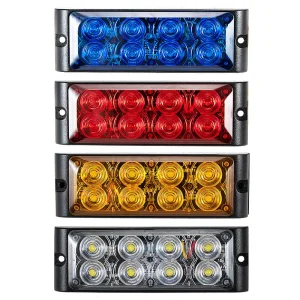
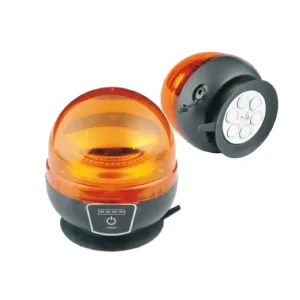
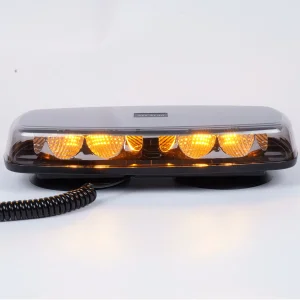
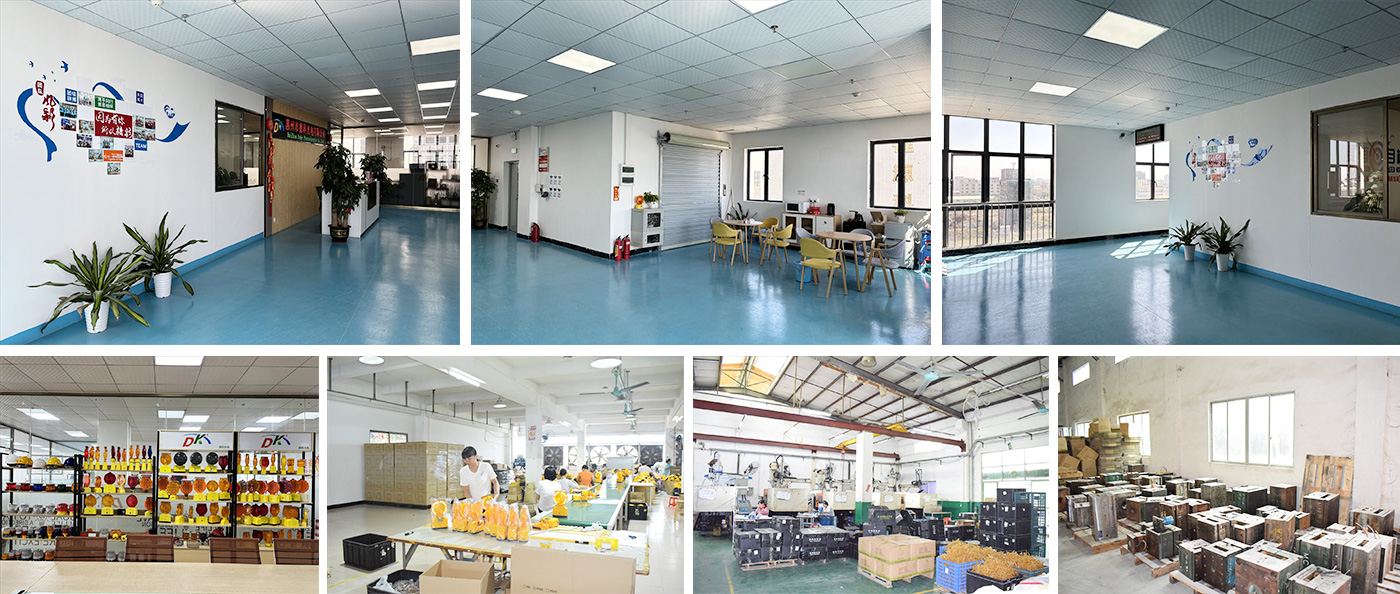
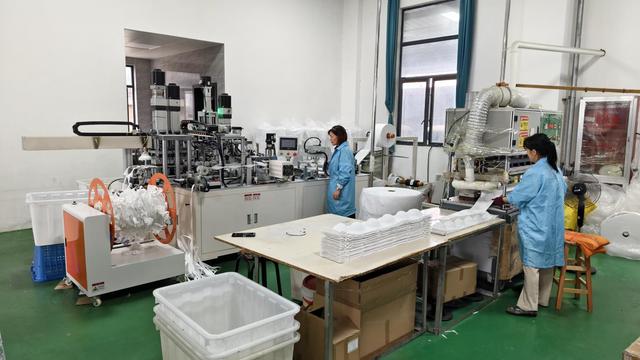
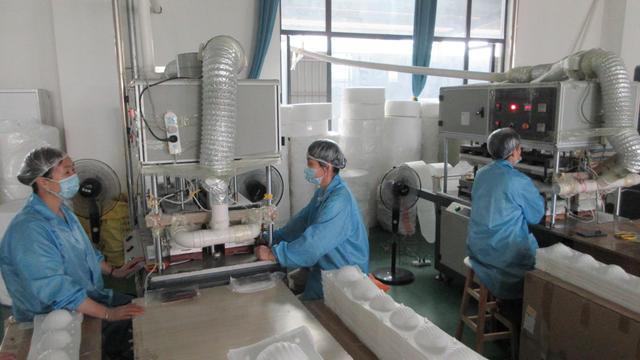
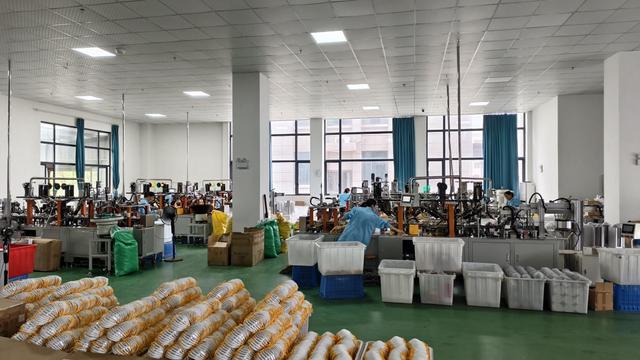
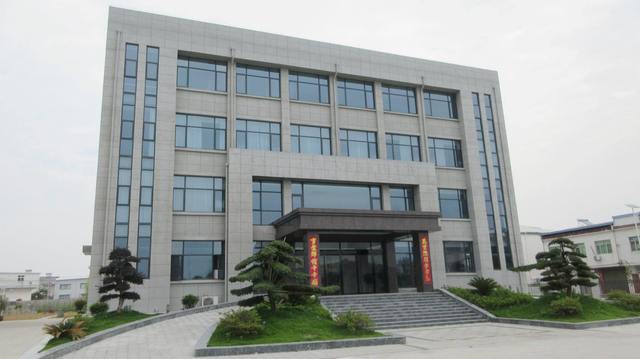
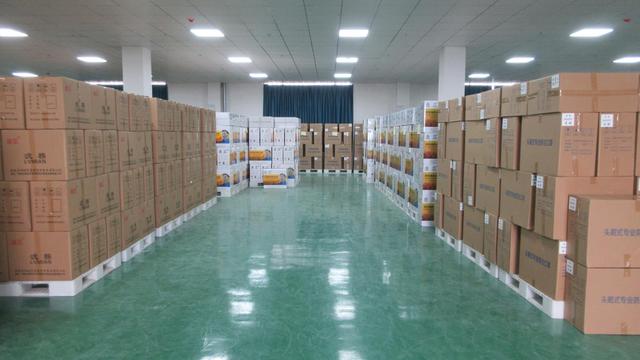
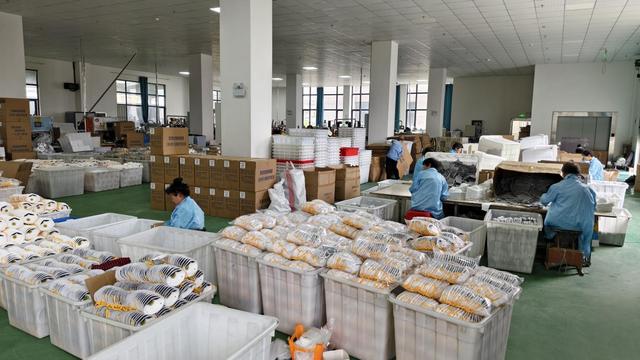
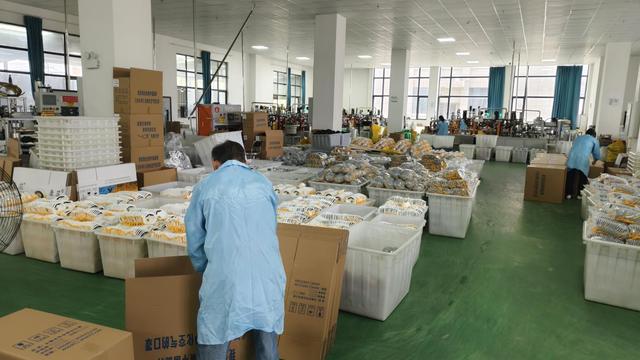
Dongguan Agonex Safety Co., Ltd. was founded in 2012 with the goal of creating innovative, environmentally friendly lighting solutions for a wide range of applications. We offer a wide range of solar warning lights and construction safety helmets that are widely used in traffic safety, construction sites, airports, and other industrial environments.
Our products are designed to meet the highest international standards for safety and durability. We utilize advanced materials and modern production techniques to ensure long-lasting performance and reliability. Every product undergoes rigorous testing before entering the market, guaranteeing consistent quality and dependable operation in demanding conditions.
In addition to our standard product range, we also provide customized solutions to meet specific customer requirements. Our experienced engineering team works closely with clients to develop tailored products that address unique application needs.
Currently, our products are distributed globally, serving customers across Europe, Asia, Africa, and the Americas. Dongguan Agonex Safety Co., Ltd. has built a strong reputation as a reliable and trusted supplier of high-quality safety lighting solutions. We remain committed to continuous innovation and improvement, striving to enhance safety and efficiency for our partners worldwide.
Managing local compliance and transport logistics for overseas industrial safety equipment deliveries.
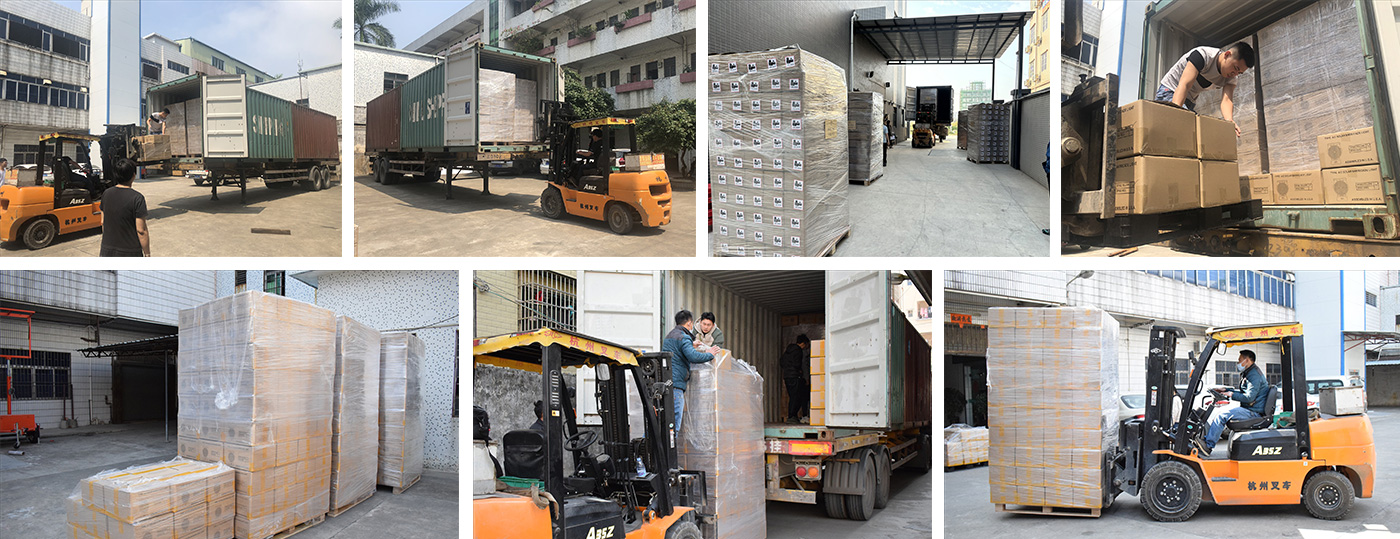
Shipping heavy industrial safety systems worldwide requires careful planning and coordination. The process involves navigating varying regional codes, custom clearance procedures, and transport logistics. Dongguan Agonex Safety Co., Ltd. offers support from production to deployment, helping customers integrate our equipment smoothly into their local safety plans.
Our global supply chain network handles shipping details to ensure on-time delivery across Europe, the Americas, Asia, and Africa. Because safety equipment is subject to strict regulatory standards, we compile all necessary documentation in advance—including CE certificates, test reports, and materials sheets. This helps simplify custom clearances and ensures that when the units arrive on site, they are ready for inspection and immediate deployment.
Expert answers to common questions about portable safety shower standards, maintenance, and deployment.
 Agonex Safety