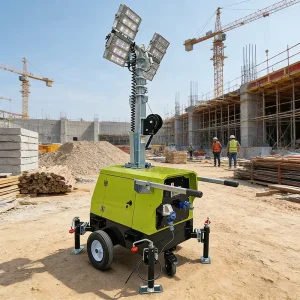
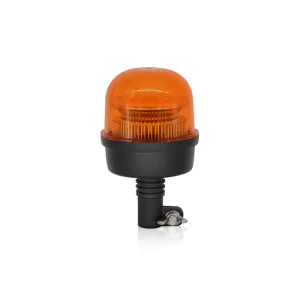
Essential signaling devices, runway illumination bulbs, and safety warning indicators for high-risk industrial zones
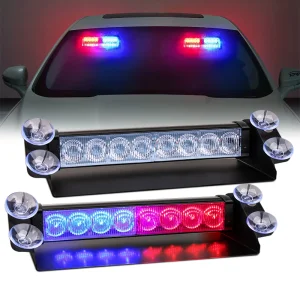

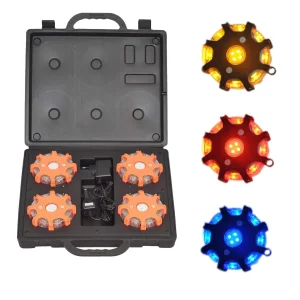
In modern industrial safety ecosystems, energy isolation stands as the primary defense against unexpected machine startup and toxic releases. Often managed under Lockout Tagout (LOTO) protocols, the strategic selection and deployment of Tool Safety Lockout Kits is not merely a bureaucratic requirement; it is a vital life-saving protocol. According to OSHA standard 29 CFR 1910.147, the control of hazardous energy requires robust, standardized, and reliable devices to secure switches, valves, and electrical breakers. This whitepaper analyzes the manufacturing standards, global procurement criteria, and engineering configurations that define top-tier industrial safety lockout systems.

The global market for tool safety lockout kits is experiencing robust growth, driven by tightening workplace safety regulations in developed economies and rapid industrial development in emerging regions. Heavy industries including oil and gas refining, automotive assembly, chemical processing, maritime operations, and utility generation facilities are leading this demand. Lockout kits are packaged solutions designed to equip safety personnel and maintenance crews with the necessary physical barriers, padlocks, tags, and clasps required to isolate machinery entirely.
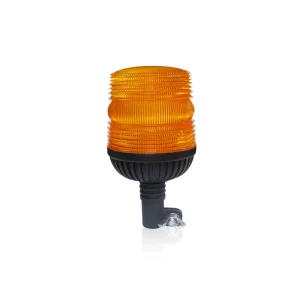
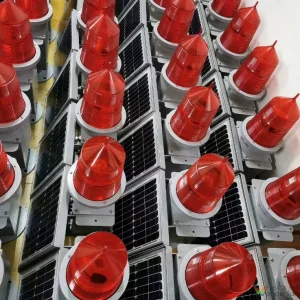
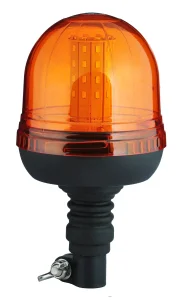
The integration of safety warning systems—such as industrial LED flashing beacons, road flares, and perimeter markers—with physical LOTO practices represents a major advancement in hazard control. When maintenance technicians perform a physical lockout on a power distribution board, peripheral warning systems (such as red-solar warning lights or hazard beacons) are activated to establish a secondary visual boundary. This dual system ensures that personnel approaching the restricted area are warned of ongoing operations, even under low-visibility conditions.
Standard Compliance
Export Countries
Established Year
Defect Inspection Goal
A trusted tool safety lockout kits factory must prioritize advanced material science to ensure performance under harsh conditions. Standard lockouts are exposed to corrosive chemicals, extreme temperatures, and mechanical impact. Premium LOTO padlocks utilize non-conductive, spark-resistant nylon bodies reinforced with fiberglass, coupled with steel or non-conductive polymer shackles. The structural integrity must endure high tensile pull forces and remain dielectric in electrical isolation tasks.

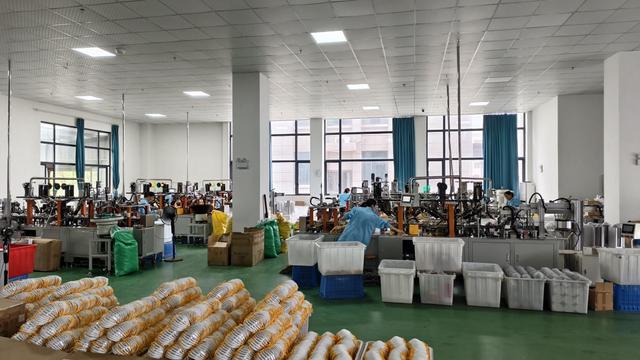

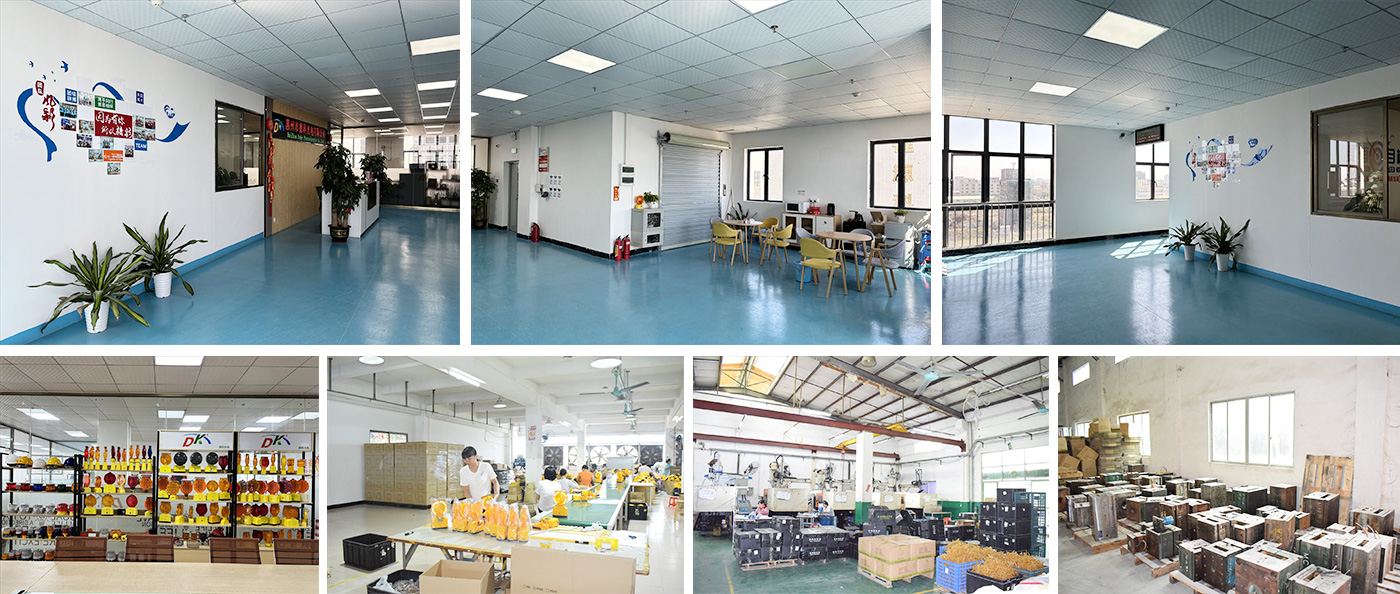
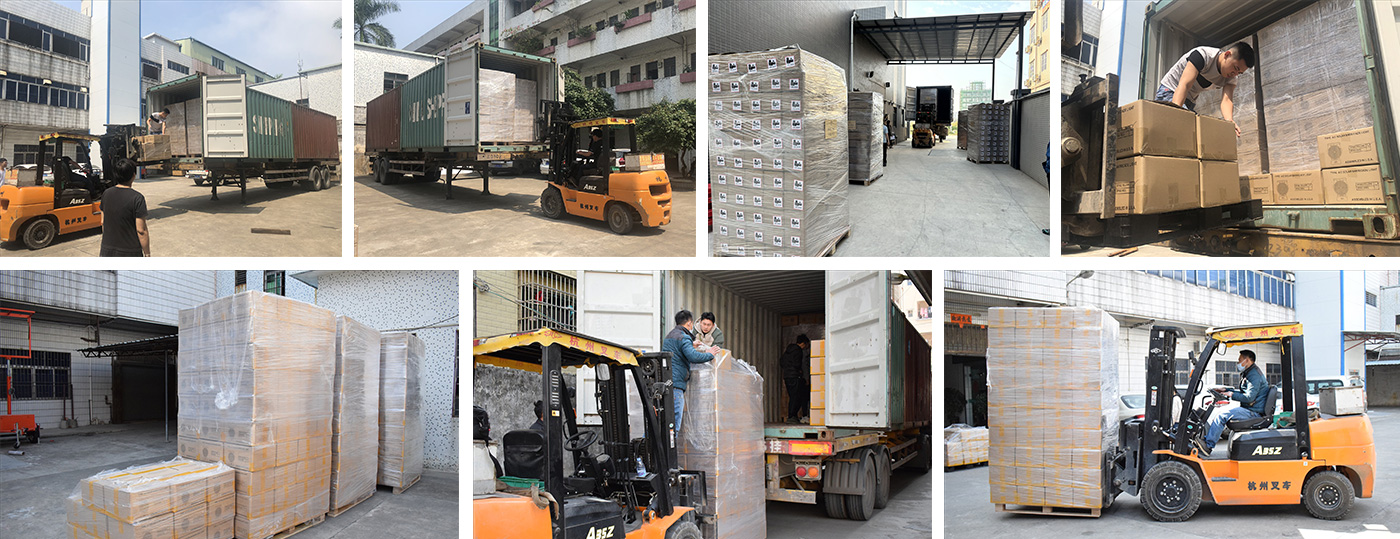
Leveraging Chinese manufacturing capabilities provides substantial strategic advantages for global industrial safety procurement teams. Factories situated in key industrial zones like Dongguan utilize highly integrated supply chains, advanced injection molding machinery, and automated assembly operations. Dongguan Agonex Safety Co., Ltd., founded in 2012, exemplifies this efficiency. By combining environmental consciousness, premium engineering materials, and rigorous testing protocols, Chinese factories deliver competitive pricing while meeting international certifications such as CE, RoHS, and ECE R65/IP69K.
In addition to cost efficiency, agility in custom engineering is a major advantage. Industrial operations vary widely; a standard lockout kit may not fit the unique dimensions of custom switchgear or specialized gate valves. Agonex Safety's experienced engineering team works closely with procurement departments to develop tailored containment solutions, bespoke key-charting schemes (including Keyed-Different, Keyed-Alike, Master-Keyed, and Grand-Master-Keyed configurations), and personalized laser engraving for asset identification.
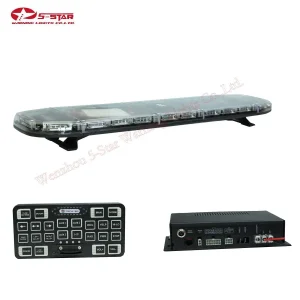
Modern safety design emphasizes redundant layers of protection. While a tool safety lockout kit physically prevents energy activation, visual warning light systems provide an active alert signal. For instance, when a critical airport perimeter or runway edge lighting sector undergoes maintenance using specialized airfield bulbs (like the 6.6A MR16 airfield lamps), temporary physical lockouts are supplemented by high-intensity strobe beacons or amber flashing warning lights on service vehicles. This visual warning signals hazardous maintenance zones to approaching traffic and heavy machinery, preventing accidental collisions and breaches.
Fully compliant with OSHA 1910.147, ANSI Z244.1, and EU industrial safety directives to protect workers from hazardous energy discharges.
Strict key system registration maintains structural security, guaranteeing that no two padlocks in different departments share the same cut key.
From company logo laser-engraving to custom tool layout foam inserts, we customize the safety lockout kits to fit specific machinery layouts.


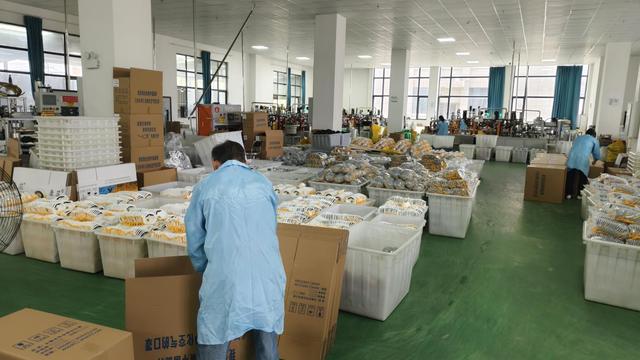
The applications for tool safety lockout kits span various sectors, each requiring unique configuration parameters:
Technical guidance on industry-standard LOTO implementation and key management strategies
KD (Keyed Different): Each padlock has a unique key. No other key in the set can open it. This is standard for individual technician kits.
KA (Keyed Alike): All padlocks in a specific set share the same key cut. Useful when an individual worker must manage multiple locks across a large system.
MK (Master Keyed): Each lock is unique (KD), but a designated Master Key can open all locks in the system. Required for department supervisors.
GMK (Grand Master Keyed): Groups locks by department, with each department having its own Master Key, while a single Grand Master Key can open every lock in the entire facility.
OSHA requires that LOTO devices be: 1. Durable enough to withstand the environment they are exposed to; 2. Standardized in color, shape, or size; 3. Substantial enough to prevent removal without excessive force or tools; 4. Identifiable by showing the user's name. High-quality lockout kits provide complete sets of padlocks, tags, and hasps that meet all four of these criteria out of the box.
Non-conductive nylon padlocks prevent electrical arcing and current transmission to the technician. When locking out electrical panels, circuit breakers, or machinery switches, steel padlocks run the risk of becoming energized if they make contact with a live circuit. Non-conductive polymer bodies ensure zero conductivity, protecting workers from electrical hazards.
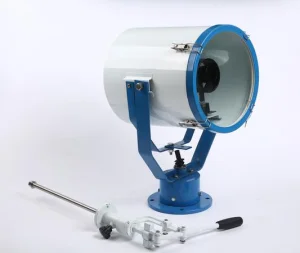
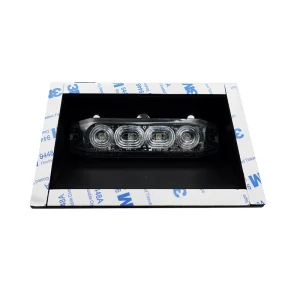
Complementary visual indicator lights, warning beacons, and safety accessories to secure industrial worksites

 Agonex Safety