✈️
Airport PAPI Lights Introduction
1.1) Precision Approach Path Indication (PAPI) System
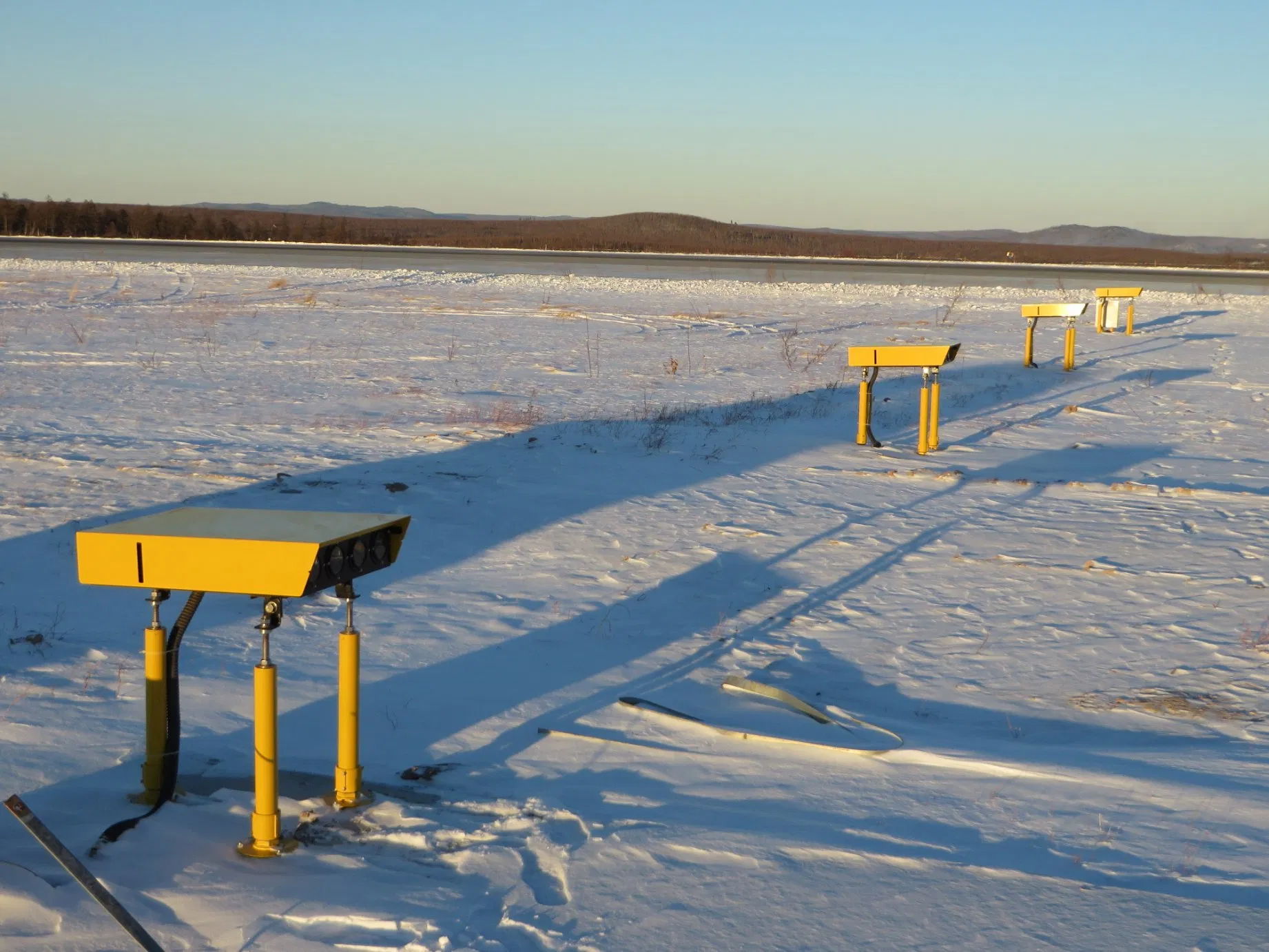
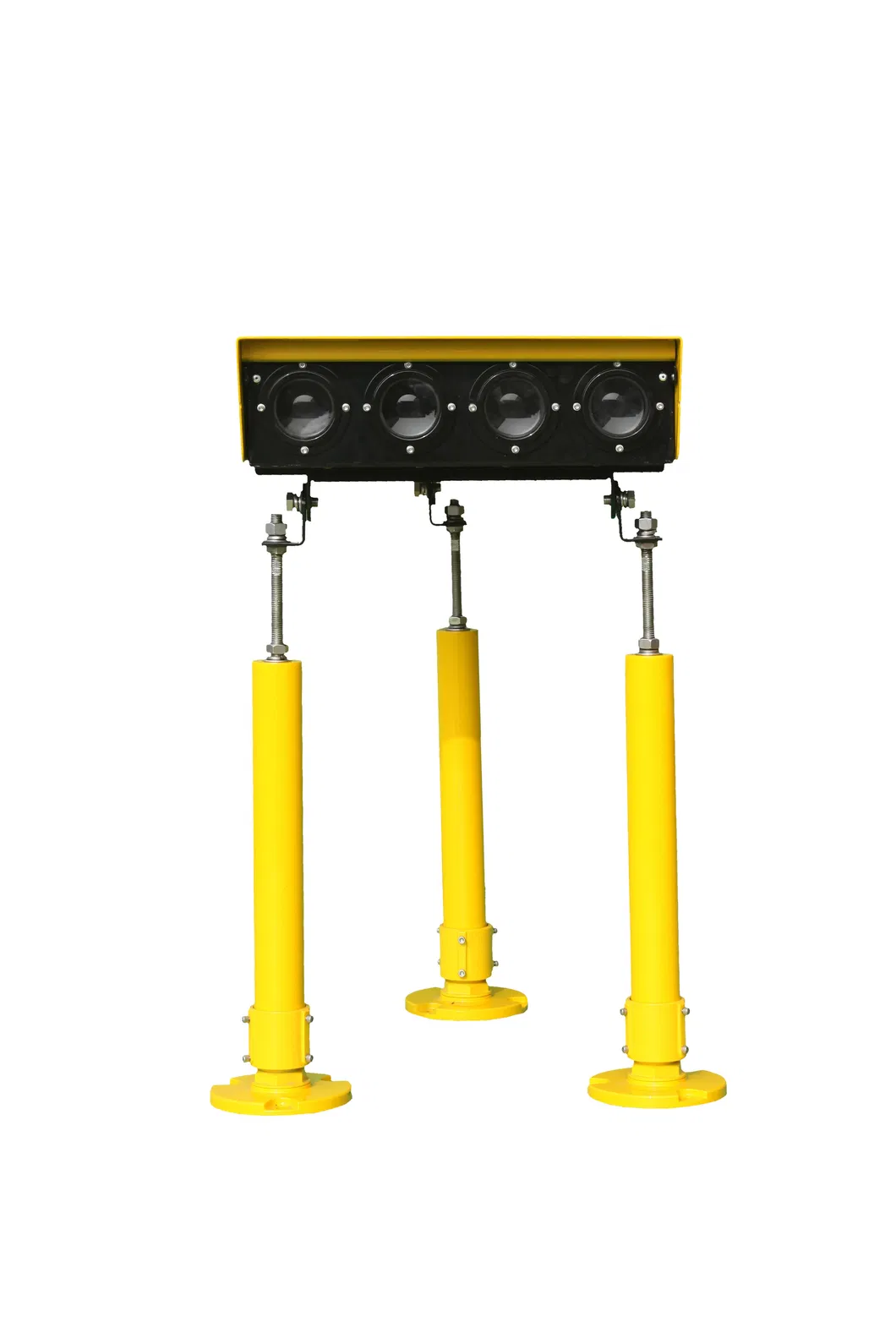
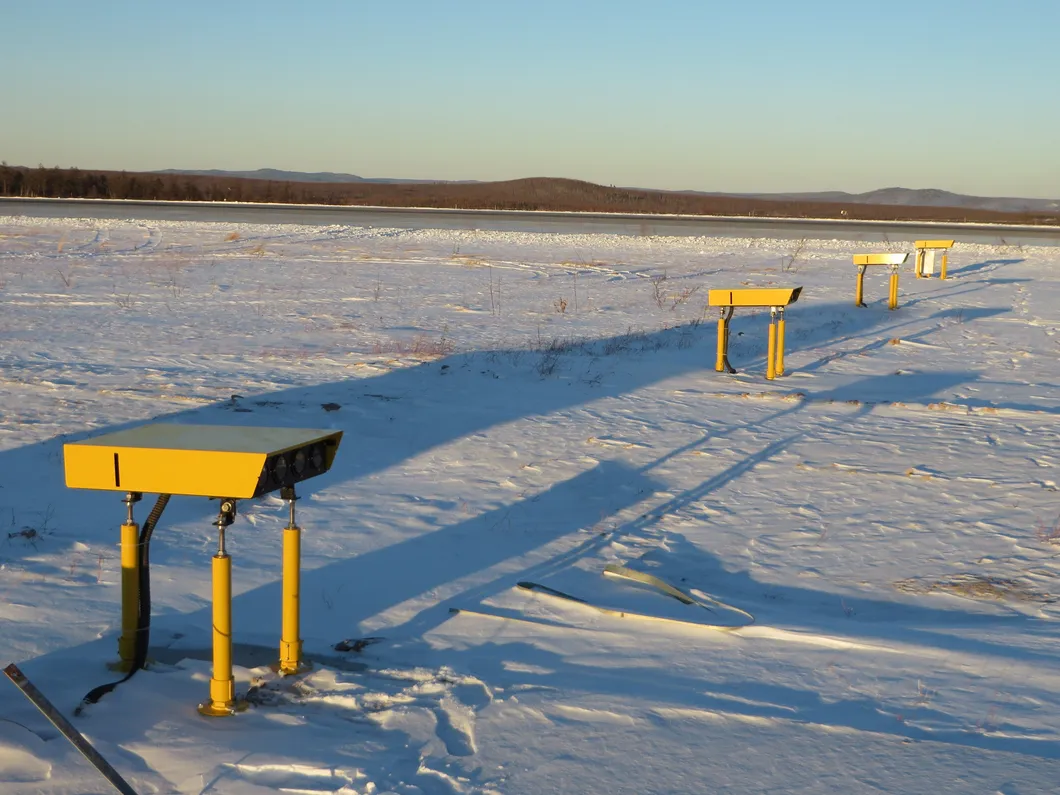
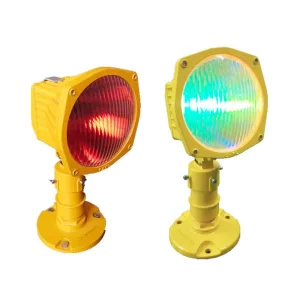
The PAPI system is used to guide the aircraft to approach the runway at the appropriate altitude. The top half of the PAPI beam is white and the bottom half is red. Within the visible range, the lamps with different elevation angles enable the pilot to see different combinations of red and white light. This allows pilots to judge and adjust altitude for a safe approach.
1.2) PAPI and APAPI Systems
The PAPI system consists of four indicators, while the APAPI system consists of two. Both systems guide pilots through specific angle indications to ensure the aircraft remains on the correct glideslope.
🛠️
Product Features & Structure
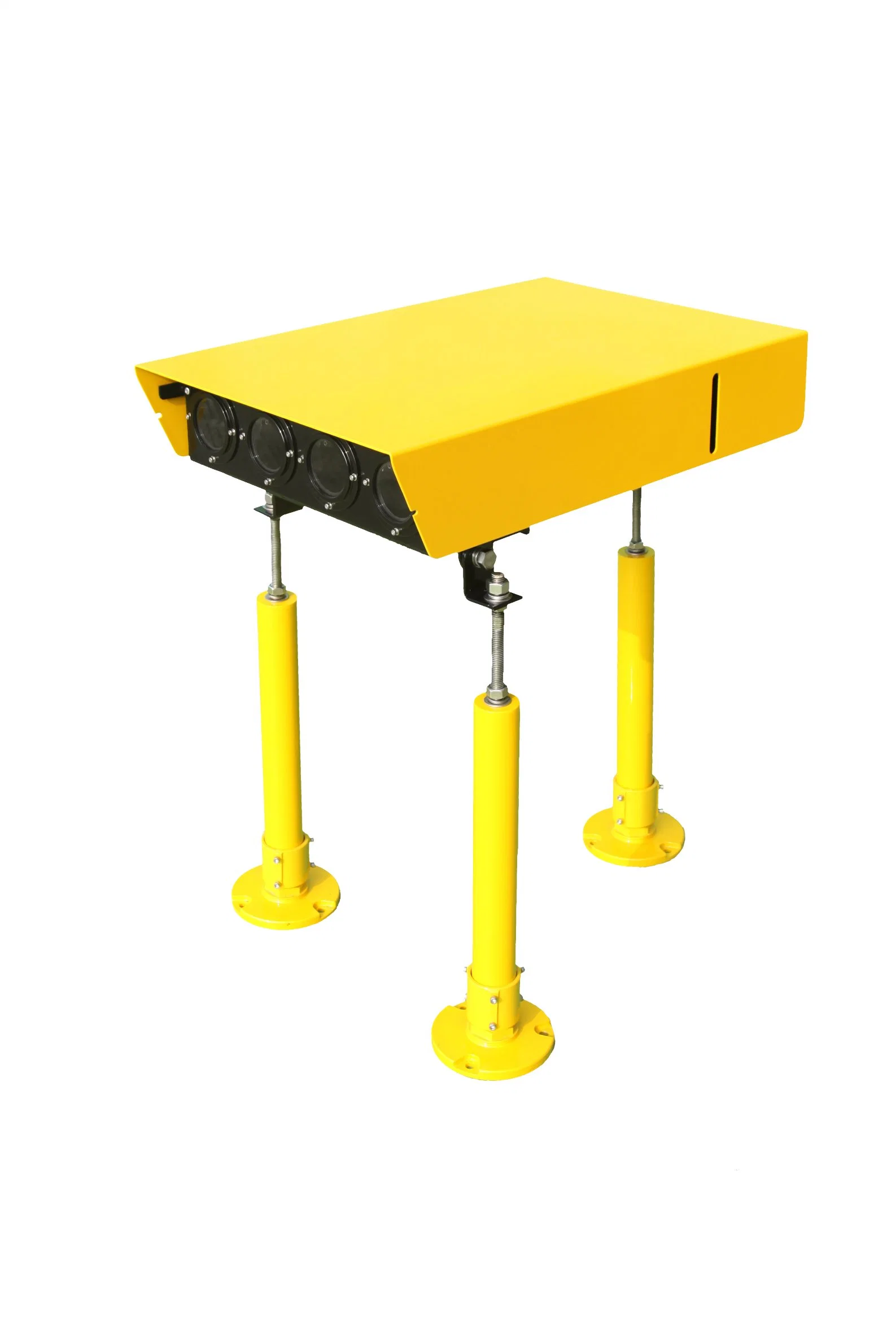
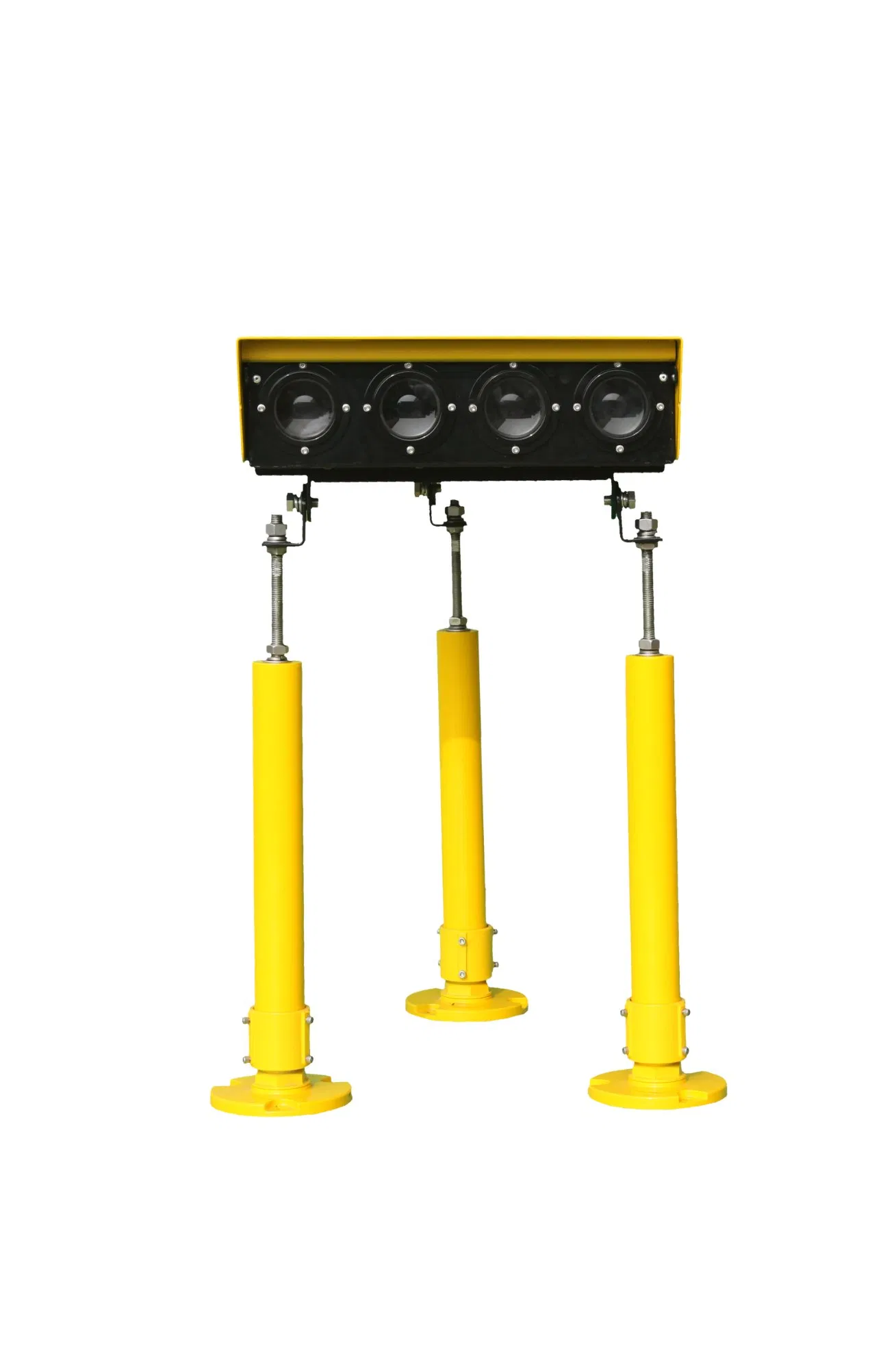
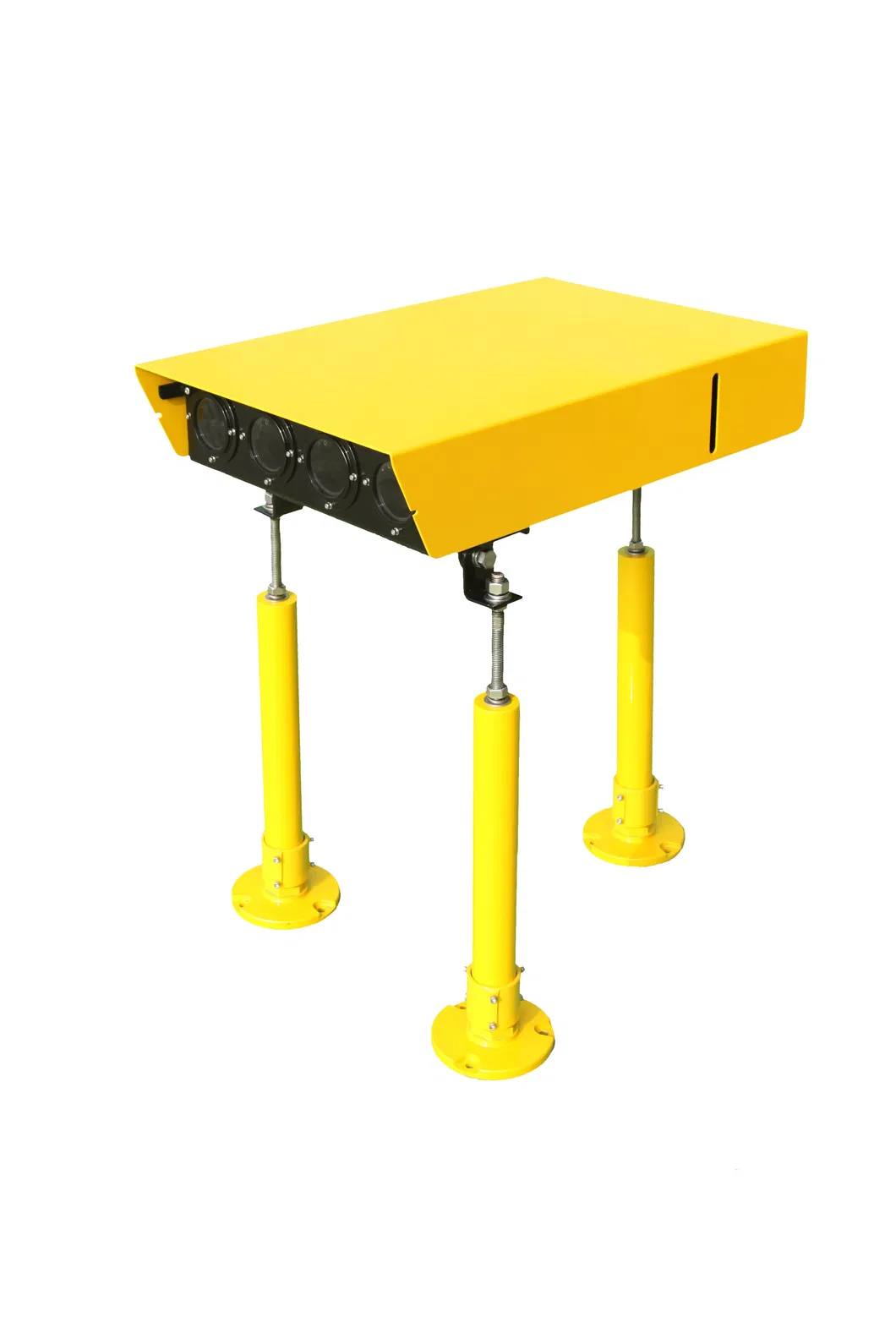
A single light unit consists of a light body assembly and three specialized brackets:
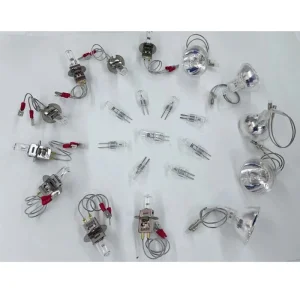
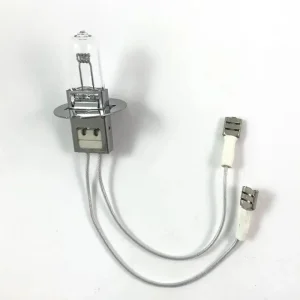
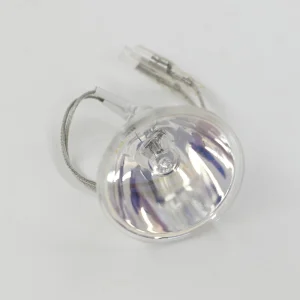
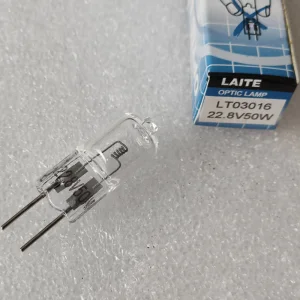
- Light Body Assembly: Includes upper cover, front glass plate, box body, lens, color filter, and high-efficiency light bulb.
- Protection: Provides precise positioning and protection for optical components.
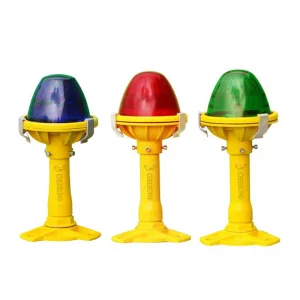
- Bracket Assembly: Composed of flanges, easy-to-break parts (frangible), extension rods, and high-grade fasteners.
- Adjustability: Brackets support the body while allowing for precise height and elevation angle adjustments.
❓
Frequently Asked Questions
How does the PAPI system assist pilots during landing?
The PAPI system emits a split beam of red and white light. Pilots observe different color combinations based on their elevation, allowing them to adjust the aircraft to the correct approach altitude.
What is the difference between PAPI and APAPI?
The standard PAPI system uses four light indicators to provide guidance, whereas the APAPI (Abbreviated PAPI) system uses only two indicators.
Is the PAPI-640-H weather-resistant?
Yes, it features an IP65 rating, meaning it is dust-tight and protected against water jets, making it suitable for outdoor airport environments.
What are the main components of a single light unit?
Each unit consists of a light body assembly (housing the optics and bulbs) and a bracket assembly with frangible parts for safety and stability.
What is the typical lead time for an order?
Production usually takes between 7 to 30 days, depending on the specific order quantity and requirements.
How is the product packaged for international shipping?
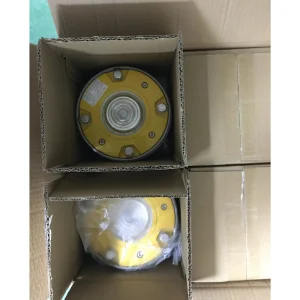
We use export-standard cartons designed for tough handling and sea transport to ensure the equipment arrives in perfect condition.
 Agonex Safety