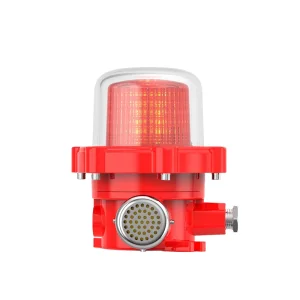
Precision Engineering, High-Performance Polymers & Integrated Smart Traffic Calming Infrastructure for Global Logistics, Municipal Networks & Industrial Hubs.
Engineered hardware and perimeter alert systems built to survive intense axle loads and extreme environmental exposure.
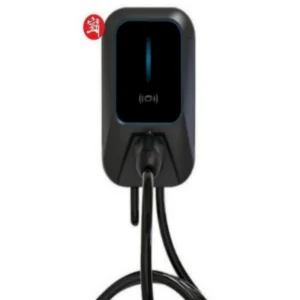
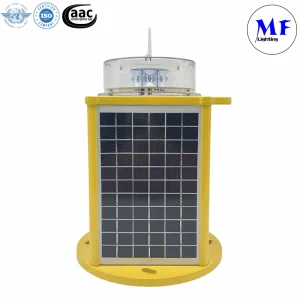
Comprehensive market analysis on material transformation, axial compression thresholds, and macro-regulatory initiatives shaping global road safety standards.
In modern roadway administration, traffic speed bumps are no longer treated as simple passive road obstructions; they represent an essential, precisely engineered branch of civil traffic calming and pedestrian zone safety. Worldwide urban expansion, multiplied freight logistics hubs, and the international adoption of the "Vision Zero" traffic safety framework have driven unprecedented demand for high-durability traffic speed reduction barriers. Traditionally dominated by poured-in-place asphalt or rigid concrete casts, modern civil engineering procurement has experienced a structural pivot toward vulcanized virgin rubber, modular polyurethane, and high-density recycled polymer compounds exported directly from leading manufacturing clusters in China.
The global traffic calming hardware market is characterized by strict structural resilience demands. Municipal authorities, heavy industrial park managers, and commercial logistics developers require traffic calming systems capable of withstanding axle loads exceeding 20 to 60 metric tons without permanent deformation, road bed shear failure, or tensile cracking under extreme thermal cycles (ranging from -40°C in sub-arctic winter regions to +75°C surface temperatures in equatorial corridors). Concurrently, civil engineers require high-coefficient retroreflective integration, anti-skid surface micro-texturing, and modular cable/conduit routing tunnels within bump foundations to accommodate modern mixed-use utility demands.
Traditional asphalt fractures and develops road ruts when exposed to perpetual diesel fuel leakage, hydraulic fluids, and ultraviolet photodegradation. Advanced engineered vulcanized rubber preserves its dynamic tensile elasticity and flexural modulus over multi-year operational spans.
Rigid concrete humps generate severe structural impact noise reaching 85-90 dB(A) when traversed by multi-axle freight. Polymerized elastomeric speed bumps absorb vehicle kinetic impulse, dampening secondary mechanical rumble down to compliant municipal thresholds below 65 dB(A).
Dual-tongue and groove modular profiles prevent horizontal displacement under rotational torque applied by turning heavy vehicles, eliminating highway edge lift and minimizing pavement damage through even kinetic dissipation.
The progression from passive mechanical speed barriers to responsive, intelligent traffic calming systems integrated with smart lighting and vehicle-to-infrastructure (V2I) sensors.
Speed bumps filled with shear-thickening fluids (STF) exhibit velocity-dependent damping. Vehicles traveling strictly at or below designated limits (e.g., 15 km/h) pass smoothly over fluid material, while speeding vehicles trigger an instantaneous shear-stiffening response that enforces kinetic slowing.
Piezoelectric and electro-mechanical harvester plates housed in the understructure convert axle compression impact into stored electrical current, powering adjacent solar hazard strobes, pedestrian warning beacons, and telemetry relays without external utility hookups.
Integration with mmWave radar and photocell triggers allows flush-mounted high-intensity LEDs inside speed bump bodies to pulse actively during low-visibility weather, alerting drivers well in advance of stopping zones.
Site-specific deployments engineered to address load profiles, approach velocities, and drainage conditions across varied operational environments.
High-capacity freight yards and dry ports endure constant cross-docking of container-laden prime movers. Here, extra-wide profile vulcanized rubber bumps with anchor-bolt expansion dowels decelerate heavy semi-trailers down to safe reversing speeds without breaking concrete subflooring.
Medical emergency corridors require strict speed controls that do not destabilize patient transport. Low-profile speed cushions allow standard passenger cars and speeding vehicles to decelerate gently, while providing wider wheel cutaways that allow emergency ambulances to traverse the center unobstructed.
Enclosed parking environments require oil-resistant materials with high grip coefficients to avoid skidding in damp entryways. Rubber bumps built with dual lower conduits enable protected utility cable routing across bays without cutting into post-tensioned concrete structural slabs.
Combining passive velocity management hardware with active visual strobes, high-visibility perimeter markers, and durable municipal safety barriers.
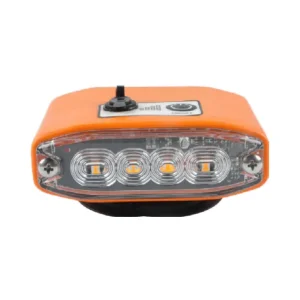
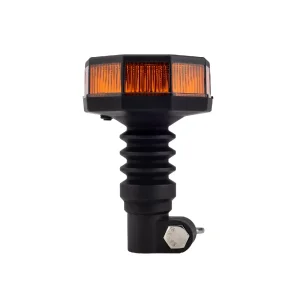
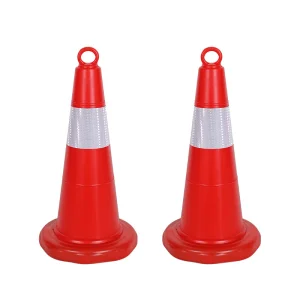
Single-point traffic calming measures rarely produce lasting behavioral compliance on their own. Comprehensive transportation safety plans deploy multi-tiered physical zoning: advance optical flashing markers alert motorists early, while high-contrast chevron road marking cones and tactile surface bumps physically enforce speed adjustments before high-risk hazard zones.
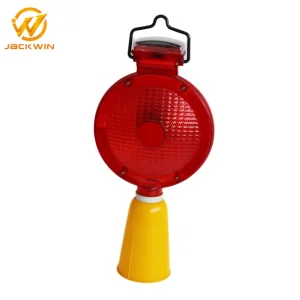
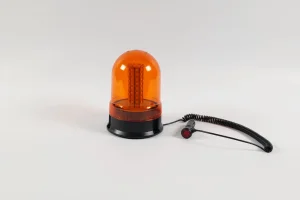
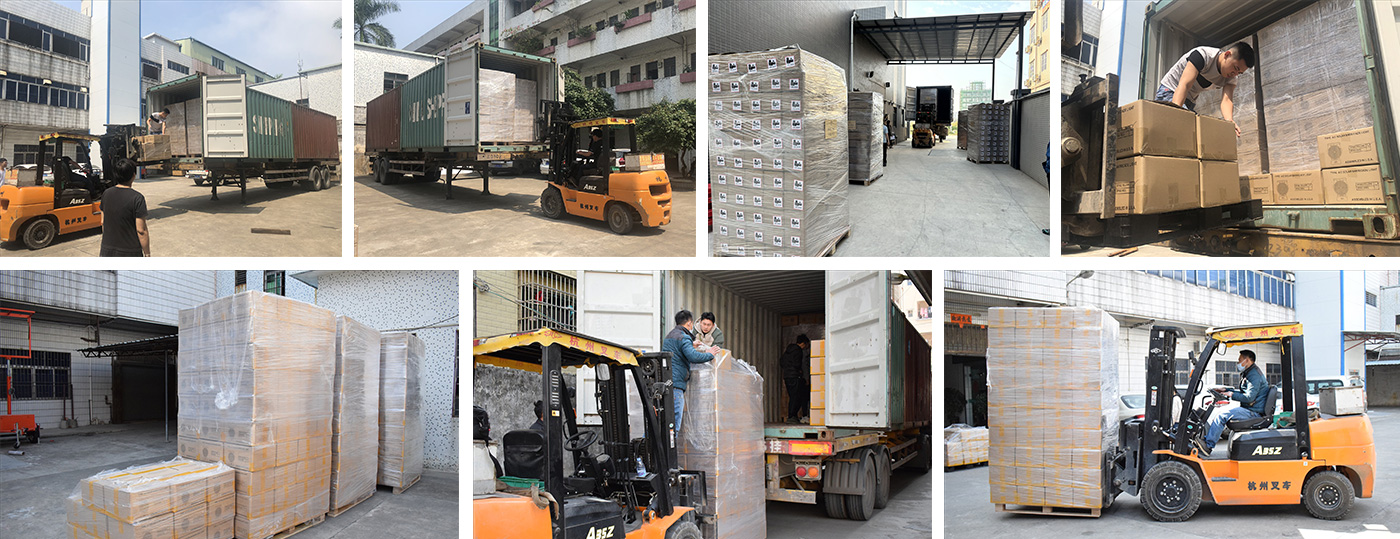
As a seasoned manufacturing partner based in China, we assist municipal planners, civil contractors, and port operators in integrating every stage of traffic safety. From rugged yellow/black vulcanized speed bump ramps with micro-prismatic retroreflection to explosion-proof perimeter signaling lights and heavy-duty IP68 solar flashers, our production lines supply unified, certified safety arrays that reduce procurement complexity while maintaining compliance with international standards.
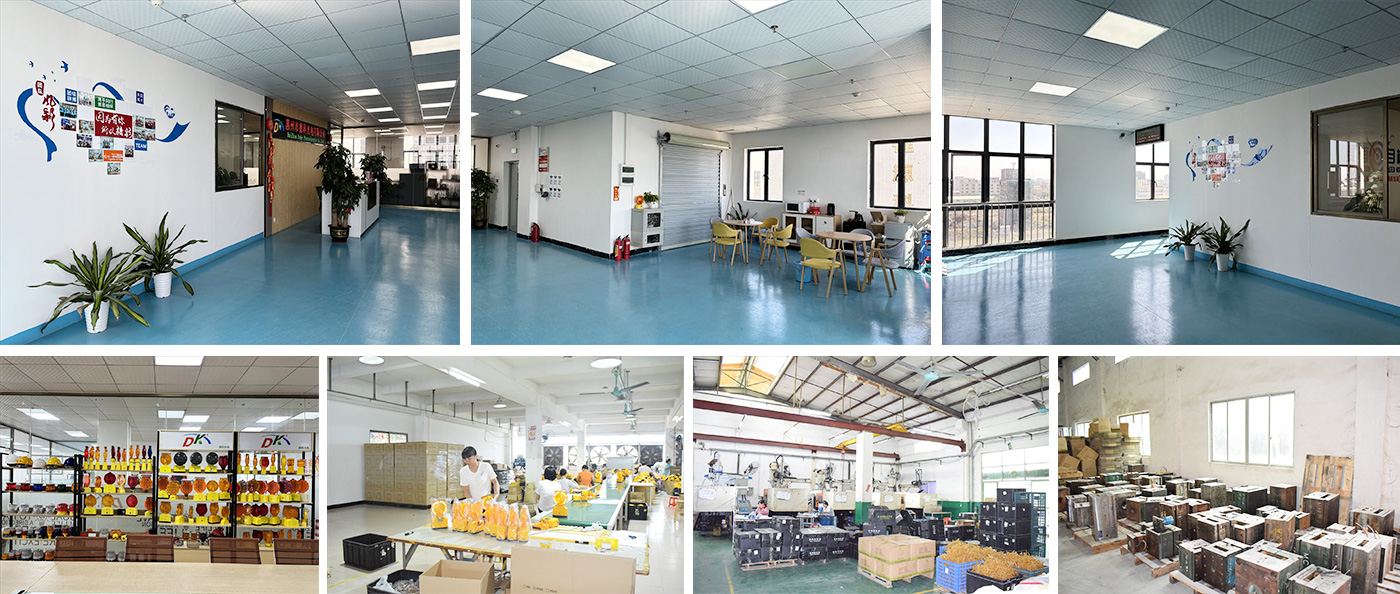
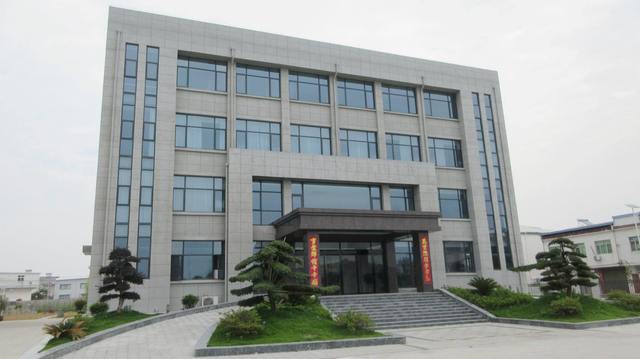
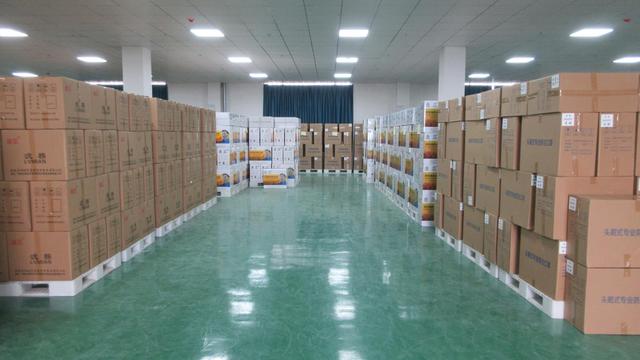
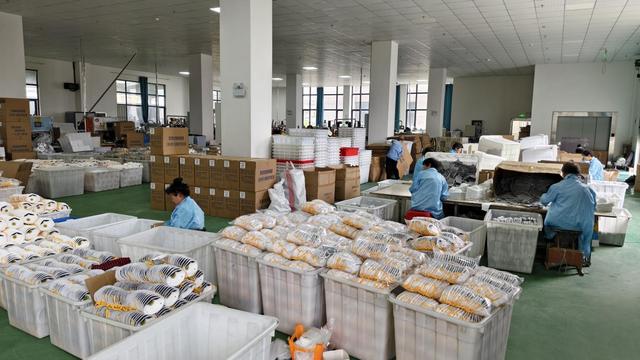
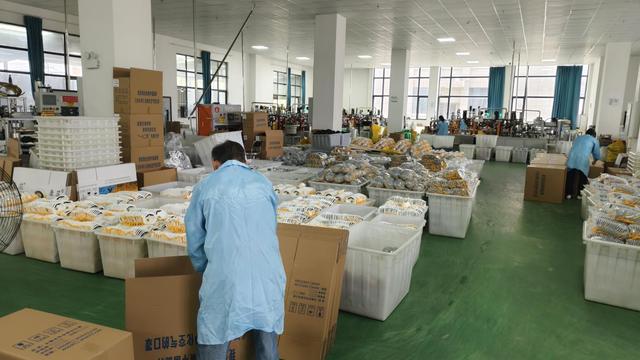
Dongguan Agonex Safety Co., Ltd. was founded in 2012 with the goal of creating innovative, environmentally friendly lighting solutions for a wide range of applications. We offer a wide range of solar warning lights and construction safety helmets that are widely used in traffic safety, construction sites, airports, and other industrial environments.
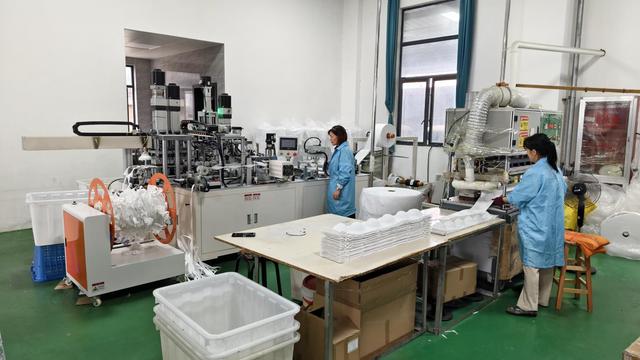
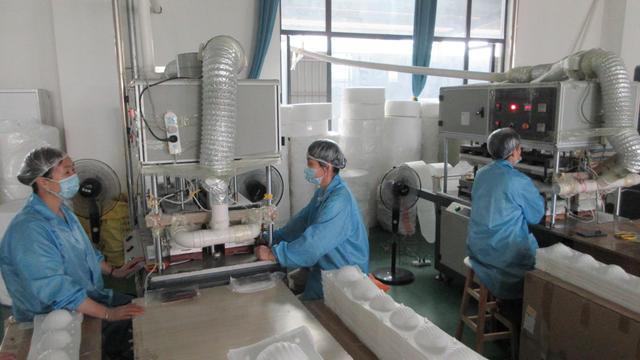
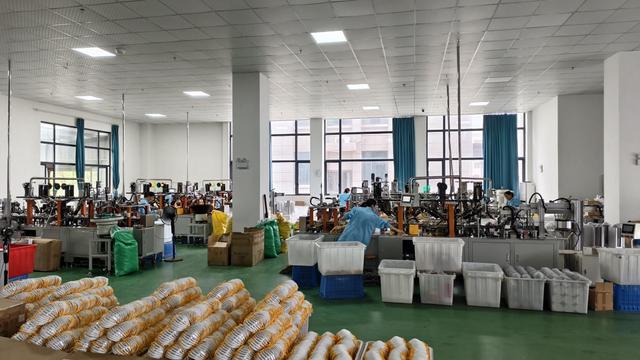
Our products are designed to meet the highest international standards for safety and durability. We utilize advanced materials and modern production techniques to ensure long-lasting performance and reliability. Every product undergoes rigorous testing before entering the market, guaranteeing consistent quality and dependable operation in demanding conditions.
In addition to our standard product range, we also provide customized solutions to meet specific customer requirements. Our experienced engineering team works closely with clients to develop tailored products that address unique application needs.
Currently, our products are distributed globally, serving customers across Europe, Asia, Africa, and the Americas. Dongguan Agonex Safety Co., Ltd. has built a strong reputation as a reliable and trusted supplier of high-quality safety lighting solutions. We remain committed to continuous innovation and improvement, striving to enhance safety and efficiency for our partners worldwide.
Authoritative answers addressing engineering tolerances, regulatory standards, export logistics, and high-volume procurement from China.
Vulcanized rubber undergoes thermal cross-linking that establishes strong elastomeric memory. Under dynamic shear forces from heavy commercial vehicles, vulcanized rubber compresses elastically and returns immediately to its molded profile without brittle fracturing. In contrast, standard unplasticized or low-grade recycled PVC can crack under sub-zero thermal stress and suffers faster surface wear when exposed to petroleum runoff and intense ultraviolet radiation.
Asphalt surfaces require rebar-spiked anchor pins (typically 12mm to 14mm in diameter and 250mm to 300mm long) that bite deep into the compressed subgrade, preventing anchor walk caused by lateral vehicular momentum. For structural concrete slabs, internal expansion anchor sleeves with hex head grade 8.8 galvanized steel bolts are installed into pre-drilled holes to avoid penetrating below slab safety margins.
Professional engineering procurements require test verification reports including ASTM D2240 (Durometer Hardness), ASTM D412 (Tensile Strength & Elongation at Break), and ASTM D395 (Compression Set Testing). For retroreflective visibility, lens elements or vulcanized reflective panels should conform to EN 1463 (Road Marking Studs) or ASTM D4956 standards for retroreflective sheeting.
Yes. Heavy-duty dual-purpose speed bumps feature twin bottom channels (typically 30mm x 30mm or 40mm x 40mm) engineered into their compression arches. Finite element analysis (FEA) confirms that axle loads are directed laterally across the side walls of each chamber into the road surface, allowing municipal data lines and power cabling to remain fully protected inside.
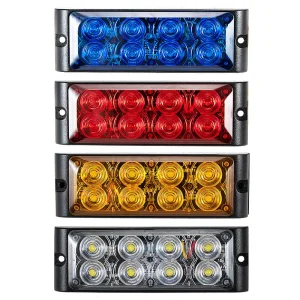
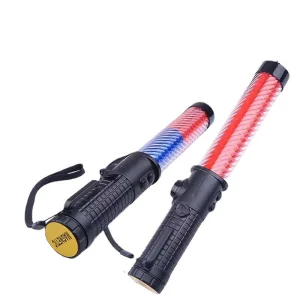
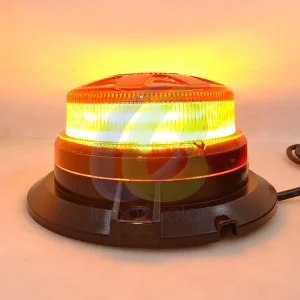
Certified roadside control lights, solar perimeter safety wands, and high-power signaling arrays manufactured to global specifications.
 Agonex Safety